
Oceania — the far horizon
Reefs, outback and Pacific islands at the very edge of the map.
Explore Oceania


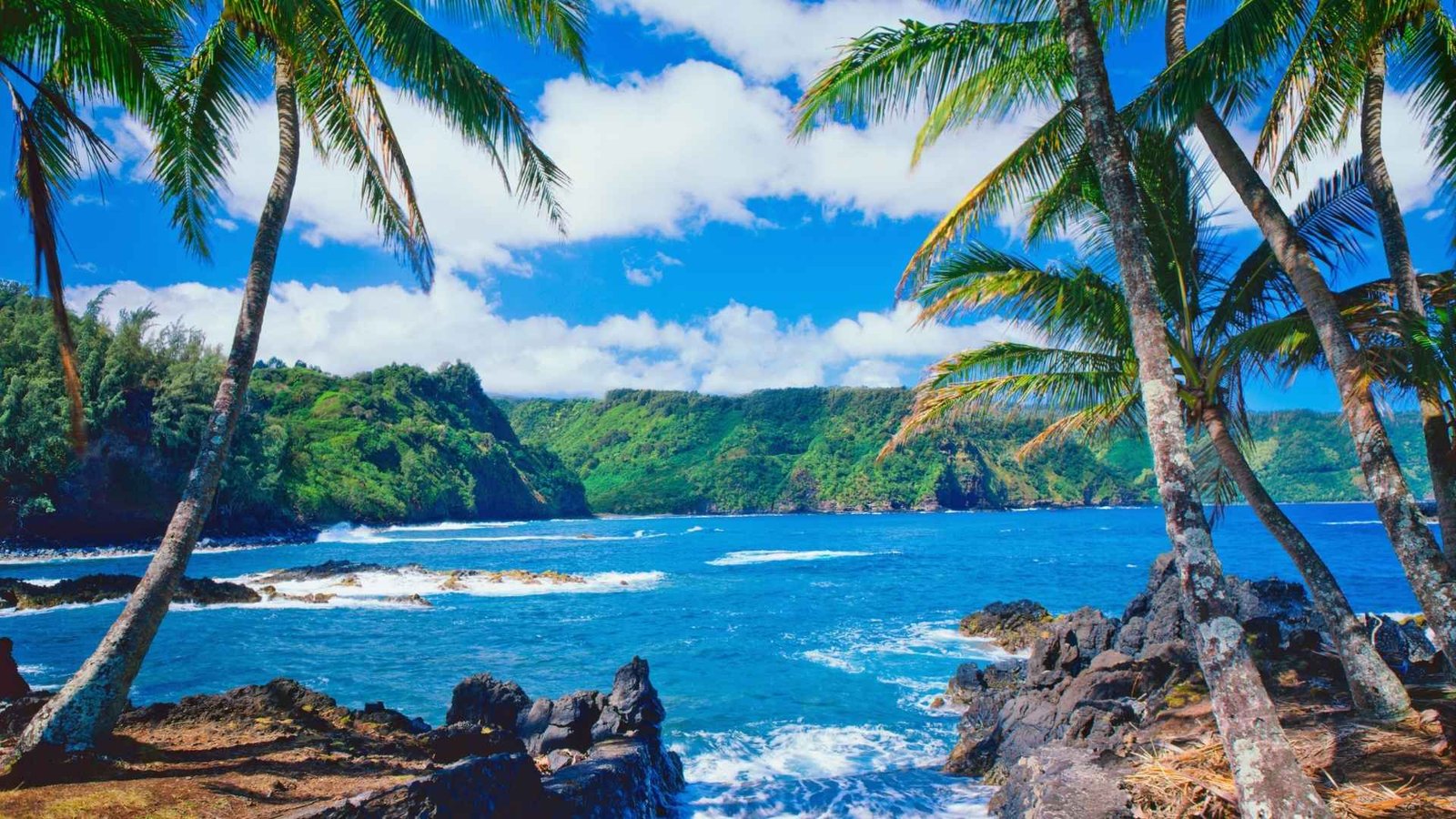

Oceania: Islands, Adventure, and Distance – Understanding the Pacific
When people say “I’m going to Oceania,” they usually mean one thing: Australia. Sometimes New Zealand gets added as an afterthought (“we’ll pop over for a few days”). The Pacific Islands – Fiji, Tahiti, Samoa, Cook Islands, Vanuatu – barely register as separate destinations, despite being scattered across an ocean larger than all of Earth’s landmass combined.
This reduction of an entire ocean-continent to “Sydney + maybe Auckland” misses the point entirely.
Oceania encompasses three distinct travel experiences: Australia’s vast continental diversity, New Zealand’s compact outdoor intensity, and the Pacific Islands’ genuine remoteness and cultural depth. Understanding these distinctions prevents the common mistake of trying to “do Oceania” in two weeks – and helps you choose strategically based on interests, budget, and what you actually want from 20+ hours of flying.
The Three Oceanias: Regional Personalities
Australia: Continental Scale, First-World Comfort, Unique Wildlife
What defines Australia:
- Massive distances (Perth to Sydney = London to Baghdad)
- First-world infrastructure with developing-world remoteness
- Wildlife found nowhere else on Earth
- English-speaking ease
- Beach culture meets outback adventure
- Expensive (rivaling Scandinavia)
- Multicultural cities, particularly Sydney/Melbourne
- Indigenous culture (Aboriginal) increasingly visible but still marginalized
- Year-round destination (seasons vary by region)
Who thrives here: Road-trippers comfortable with long drives (8-12 hours between cities normal). Wildlife enthusiasts wanting unique species. Beach lovers who also like urban culture. Those with generous budgets or working holiday visas. English speakers wanting adventure without language barriers.
Who struggles: Budget travelers (everything costs 30-50% more than USA). Those with limited time (distances don’t work for 1-2 week trips). People expecting European-style efficiency (things are more laid-back). Those uncomfortable with extreme heat, dangerous wildlife, or isolation.
New Zealand: Compact Intensity, Outdoor Paradise, Tourist-Friendly
What defines New Zealand:
- Manageable size (similar to UK)
- Dramatic landscapes: mountains, fjords, glaciers, volcanoes
- Well-developed adventure tourism (bungee, hiking, skiing)
- Māori culture integrated into national identity
- Excellent infrastructure for independent travel
- Temperate climate (bring layers year-round)
- Less expensive than Australia but still pricey
- Easy to navigate (good roads, clear signage)
- Lord of the Rings tourism industry
Who thrives here: Outdoor enthusiasts. Hikers. Photographers. Those wanting stunning scenery without excessive planning. Film location fans. People who want Australia’s nature without Australia’s scale or wildlife danger.
Who struggles: Beach resort seekers (it’s outdoors/active, not relaxation). Those expecting tropical heat (it’s temperate/cool). Budget backpackers (accommodation and activities expensive). People wanting cosmopolitan city life (Auckland is nice but no Sydney/Melbourne).
Pacific Islands: Remote Paradise, Cultural Depth, Genuine Escape
What defines Pacific Islands:
- True isolation (some islands days from nearest airport)
- Polynesian/Melanesian cultures with living traditions
- Coral reefs, lagoons, pristine beaches
- Limited infrastructure (varies wildly by island)
- Slow pace of life
- Climate-vulnerable (rising seas, cyclones)
- Mix of French/English/Indigenous languages
- Range from luxury resorts (Tahiti/Bora Bora) to basic guesthouses (Samoa/Vanuatu)
- Limited medical facilities
Who thrives here: Those genuinely wanting to disconnect. Divers/snorkelers. Cultural travelers interested in non-Western traditions. Honeymooners (especially high-end islands). Those comfortable with slow/basic amenities. People seeking beaches without crowds.
Who struggles: Those needing reliable wifi/connectivity. People with strict schedules (island time is real). Budget travelers (unless picking specific islands like Fiji/Samoa). Those uncomfortable with basic accommodation. Travelers needing Western medical care nearby.
Strategic Decision Framework
If You Have 1-2 Weeks
Choose ONE:
- East Australia (Sydney + Cairns/Great Barrier Reef) – cities + wildlife + beaches
- New Zealand North Island – Auckland + Rotorua + Tongariro – compact highlights
- Single Pacific Island – Fiji or Cook Islands – complete beach escape
DON’T try: Australia + New Zealand (flying between = wasting 2+ days). Multiple Pacific Islands (inter-island flights expensive/infrequent). Cross-Australia trips (Perth to Cairns = 5,000 km).
If You Have 3-4 Weeks
Realistic combinations:
- East Coast Australia – Sydney → Byron Bay → Brisbane → Whitsundays → Cairns
- Both New Zealand Islands – North (cities/culture) + South (mountains/fjords)
- Australia + Pacific Island – 2 weeks Australia (east coast) + 1 week Fiji stopover
- New Zealand + Pacific Island – 2 weeks NZ + 1 week Cook Islands/Tahiti
- Island hopping – Multiple Pacific Islands (Fiji → Samoa → Tonga)
If You Have 5+ Weeks
Now you can consider:
- Australia circuit – East coast + Red Centre (Uluru) + Tasmania
- Australia + New Zealand – 3 weeks Australia + 2 weeks NZ
- Trans-Pacific island exploration – Start Fiji, work east through Samoa, Tonga, Cook Islands, Tahiti
- Full immersion – 6 weeks in just Australia seeing multiple regions properly
Budget Reality Check
Australia
Budget traveler: AUD 80-120/day (hostels, self-catering, buses)
Mid-range: AUD 180-280/day (hotels, eating out, car rental)
Comfortable: AUD 350-500+/day (nice hotels, tours, dining)
Major expenses: Accommodation (AUD 30-200+/night), domestic flights (AUD 100-400), Great Barrier Reef tours (AUD 200-400), food (AUD 15-50/meal)
New Zealand
Budget: NZD 70-100/day
Mid-range: NZD 150-250/day
Comfortable: NZD 300-450+/day
Major expenses: Adventure activities (NZD 150-350), accommodation (NZD 25-180/night), car rental (NZD 40-80/day), food (NZD 12-40/meal)
Pacific Islands
Budget (Fiji/Samoa): USD 50-80/day
Mid-range: USD 120-200/day
Luxury (Bora Bora/Tahiti): USD 400-1000+/day
Major expenses: Accommodation (massive range: USD 15-800+/night), inter-island flights (USD 200-600), diving (USD 80-150/day), food (USD 8-60/meal)
Practical Truths
The Flight Situation
- From Europe: 20-26 hours minimum (1-2 stops)
- From North America: 12-18 hours (Los Angeles-Sydney direct possible)
- Jet lag: Serious. Australia is 8-10 hours ahead of Europe, 15-17 hours ahead of US East Coast
- Cost: EUR 800-2500 return depending on season/route
Strategic tip: Break up long flights with Pacific Island stopover (Fiji often similar price to direct Australia flight)
Climate Considerations
- Australia summer (Dec-Feb): Very hot (30-45°C), cyclone season in north, perfect for south
- Australia winter (Jun-Aug): Mild in cities (15-20°C), perfect for Red Centre, cold in Tasmania
- New Zealand summer (Dec-Feb): Warm (20-28°C), best hiking weather
- New Zealand winter (Jun-Aug): Cold (5-15°C), skiing season, some mountain roads closed
- Pacific Islands: Tropical year-round (25-32°C), cyclone season Nov-April
Visa Requirements
- Australia: ETA/eVisitor required for most Western countries (online, AUD 20, instant)
- New Zealand: NZeTA required (online, NZD 17, instant)
- Pacific Islands: Varies – many visa-free for 30-90 days, some require advance visa
What Each Region Does Best
Choose Australia For:
- Unique wildlife: Kangaroos, koalas, platypus, deadly snakes, box jellyfish (Australia has the lot)
- Great Barrier Reef: World’s largest reef system, snorkeling/diving
- Outback experience: Uluru, vast red deserts, Aboriginal culture
- Cosmopolitan cities: Sydney and Melbourne rival any European capital
- Diverse landscapes: Tropical north, temperate south, desert center, everything
- Beach culture: Surfing, coastal lifestyle
- Road trips: Epic drives (Great Ocean Road, Pacific Coast, Stuart Highway)
Choose New Zealand For:
- Dramatic scenery: Fjords, mountains, glaciers in compact area
- Adventure activities: Bungee jumping, skydiving, glacier hiking, black water rafting
- Hiking/tramping: World-class multi-day hikes (Milford Track, Routeburn, Tongariro)
- Māori culture: Living indigenous culture, welcoming and visible
- Lord of the Rings tourism: Hobbiton, film locations throughout country
- Compact exploration: See massive variety in small area
- Wine regions: Marlborough, Hawke’s Bay, Central Otago
Choose Pacific Islands For:
- Pristine beaches: White sand, turquoise water, minimal development
- World-class diving: Coral reefs, WWII wrecks, underwater caves
- Cultural immersion: Traditional villages, ceremonies, way of life
- True remoteness: Islands with no roads, limited electricity, genuine isolation
- Honeymoon luxury: Overwater bungalows (Bora Bora, Tahiti)
- Disconnection: Limited/no internet, genuine digital detox
- Slow travel: Island time, no rushing, complete relaxation
The Decisive Questions
Do you want cities + nature or just nature?
Cities + nature → Australia (Sydney/Melbourne + reef/outback)
Just nature → New Zealand or remote Pacific Islands
Is wildlife a priority?
Yes → Australia (unique species nowhere else)
No → New Zealand (beautiful but limited wildlife) or Pacific Islands (marine life)
What’s your activity level?
High (hiking, adventure) → New Zealand (best infrastructure)
Moderate (sightseeing, some activities) → Australia (mix of everything)
Low (beach relaxation) → Pacific Islands
How much time do you have?
1-2 weeks → Pick ONE country/region
3-4 weeks → Combine two (Australia + island OR both NZ islands)
5+ weeks → Full circuit or deep dive one country
What’s your budget?
Limited → Fiji/Samoa islands, avoid luxury Australia/NZ
Moderate → East Australia OR New Zealand
Generous → Tahiti/Bora Bora luxury OR extended Australia/NZ trip
Do you need beaches?
Perfect beaches essential → Pacific Islands first, Australia second
Nice to have → Australia (great beaches + other stuff)
Don’t care → New Zealand (cooler, dramatic coasts but not tropical)
Final Recommendation Framework
For first-time Oceania visitors with 2-3 weeks: East Australia (Sydney → Cairns). Gets you wildlife, reef, beaches, cities. Most achievable in limited time.
For adventure seekers: New Zealand. Best organized adventure tourism infrastructure in the world.
For wildlife enthusiasts: Australia. Nowhere else has kangaroos, koalas, platypus, wombats together.
For beach paradise: Pacific Islands. Australia has great beaches but near cities; Pacific Islands are remote perfection.
For photographers: New Zealand. Dramatic landscapes in compact area.
For road-trippers: Australia. Epic distances, incredible diversity, proper road trip infrastructure.
For cultural travelers: Pacific Islands. Living traditional cultures, genuine community interaction.
For honeymooners with budget: Bora Bora/Tahiti. Ultimate luxury overwater experience.
For honeymooners without endless budget: Fiji or Cook Islands. Beautiful beaches, good resorts, more affordable.
The Bottom Line
Oceania is not casual. The distances are real. The flights are long. The costs are significant. You cannot “pop over for a weekend” from Europe or North America.
But if you commit the time and money:
- Australia gives you wildlife found nowhere else on Earth
- New Zealand gives you Lord of the Rings landscapes in manageable size
- Pacific Islands give you remoteness and beaches that truly feel undiscovered
Choose based on what you want, not what’s convenient. Oceania rewards those who plan properly and commit fully. It punishes those who try to squeeze it into insufficient time or budget.
The world is your playground. Oceania is the distant, expensive, spectacular corner worth the journey – if you do it right.
Learn more about all the travel interests we cover here
Other media from Leisure Media Group
- traveltalk.dk – Danish-language travel magazine covering destinations, hotels, airlines, cruises and travel inspiration from around the world
- winetalk.dk – Danish-language wine magazine with extensive coverage of wine, gastronomy and food culture
- worldsporttalk.com – international sports site covering top-level football, golf, tennis, Formula 1 and more from around the world