
Travel Interests — Discover Trips That Match Your Passion
Not every journey begins with a destination. Often, it starts with an idea, a feeling, or a passion. That’s where Travel Interests come in. Whether you’re dreaming about relaxing beach holidays, exciting city breaks, outdoor adventures, cultural experiences, luxury escapes, or active vacations, exploring travel through your interests is one of the easiest ways to find trips you’ll truly enjoy.
At Traveltalk, we bring all the best Travel Interests, helping you discover destinations and experiences that match your personal travel style.
Explore the World Through Your Travel Interests





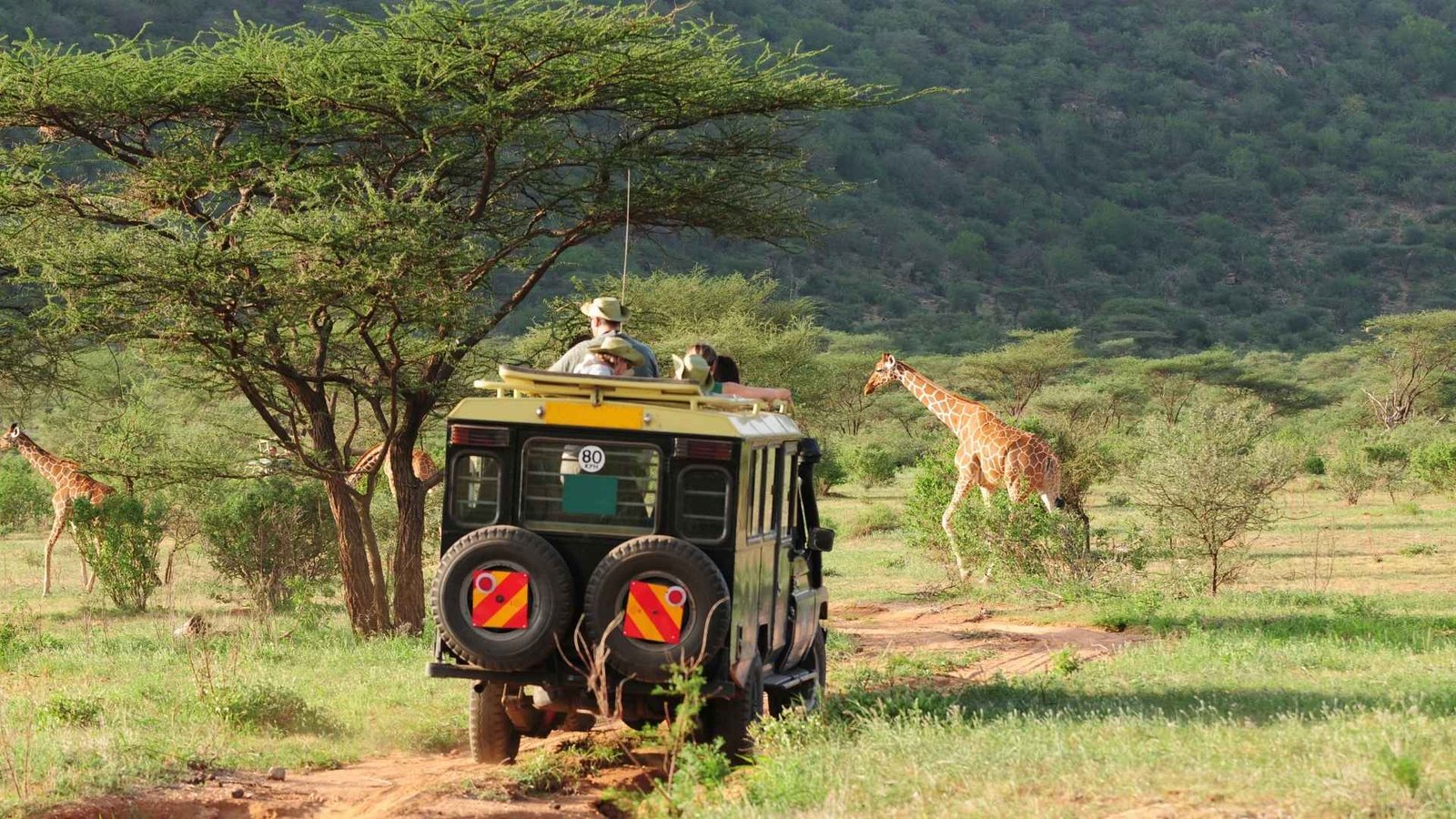


Each Travel Interests category connects you with inspiring destinations, detailed travel guides, practical tips, and ideas tailored to a specific type of experience. Instead of searching country by country, you can focus on what motivates you to travel — whether that’s adventure, relaxation, food, nature, sport, or culture.
You might begin with something simple like “winter sun,” “active holidays,” or “romantic getaways,” and suddenly discover destinations you hadn’t even considered.
Travel Interests make planning easier, more personal, and often more inspiring.
Getting There and Getting Around
Reaching a destination is often the part of a trip that decides whether it feels worth the effort. For beach and city breaks in Europe, most travellers fly into a major hub and then take a train, coach or short transfer to the resort or centre. Many capitals have rail links from their airports, which is usually quicker and cheaper than a taxi in traffic.
Winter sports are harder to reach. Alpine resorts are typically served by an international airport at a larger city, followed by a transfer of several hours by road or rail. Some resorts are only accessible by a mountain railway or a local bus, and these can stop running in bad weather. Check the final leg of your journey as carefully as the flight.
Adventure and wildlife destinations often involve internal flights or long road transfers over rough terrain. Small aircraft may have strict baggage limits, and schedules can change at short notice. Allow a spare day at the start or end of the trip for delays, rather than planning a tight connection.
Once you arrive, local transport varies widely. Cities with good metro or tram networks make car hire unnecessary. In rural areas, a hire car gives freedom but can be a burden on narrow mountain roads or unpaved tracks, and parking in old towns is often limited. Public buses may run infrequently outside peak times, so look at the timetable before you commit to a plan that depends on them.
Ferries and island hopping need particular care. Services often reduce in the off-season, and a missed sailing can cost a full day. Build flexibility into your itinerary and keep copies of your tickets offline.
From Inspiration to Real Travel Plans
Once you find a Travel Interest that excites you, you can explore related destinations, read expert advice, and connect with trusted partners for booking holidays, accommodation, car rental, and travel experiences.
Many travellers find their next favourite destination by starting with a Travel Interest instead of a map.
Where to Stay for Each Interest
The best place to stay depends on what you intend to do each day. For a beach holiday, a resort hotel or self-catering apartment close to the sand is convenient, though beachfront rooms command a premium. Some coastal towns have quieter neighbourhoods a short walk inland, where prices are lower and the evenings are calmer.
City breaks reward a central base. Staying in the old quarter or near a major station saves time and taxi fares, but historic centres can be noisy late into the night. A guesthouse or small hotel on the edge of the centre often offers better value and a quieter night’s sleep.
Winter sports travellers usually choose between a resort village and a town a short bus ride away. Ski-in, ski-out chalets and hotels are the most expensive, while apartments in older villages tend to offer more space for the money. Accommodation near the lifts saves time in the morning, but it is worth checking how far the bus or lift actually runs in the evening.
For wildlife, safari and remote trips, lodges and tented camps range from simple bush camps to high-end properties with private guides and transfers. Budget options often have shared facilities and fewer activities included. Luxury lodges usually bundle meals, game drives and transfers, which makes them easier to compare as a complete package.
Rural and countryside stays, such as farmhouses or guesthouses, suit walkers and food lovers. They are often modest in price and close to good trails, but they may be far from shops and restaurants, so arrange transport in advance.
Start Exploring Your Travel Interests
Travel is about experiences, memories, and moments that stay with you long after you return home. By browsing Travel Interests, you open the door to new ideas and possibilities — and maybe even your next unforgettable adventure.
Choosing the Right Season for Your Interest
Most interests have a season that suits them best, and it is rarely the same one. A beach holiday depends on warm, settled weather and calm seas, which in the Mediterranean and Caribbean generally means late spring through early autumn. The trade-off is that the high summer months bring the largest crowds and the highest hotel rates, while the shoulder months either side can be quieter and still pleasant for swimming.
Winter sports need snow, and snow depends on altitude and luck as much as calendar. In the Alps and the Rockies, the core months are typically from December to March, with the best conditions often in January and February. Christmas and the New Year are the busiest and most expensive weeks, so anyone wanting fewer queues should aim for the weeks either side.
City breaks are the most flexible. Many European capitals are at their best in spring and autumn, when the weather is mild and the summer tour groups have thinned. Mid-winter can be cold and grey, but it is often the cheapest time to visit and the museums are easier to enjoy without a crush.
Festivals sit on a fixed calendar, which makes them easy to plan around but also means they bring extra demand. Book accommodation early, expect higher prices in the surrounding days, and check whether the event falls on a public holiday, as this can close shops and transport.
Wildlife and walking trips often depend on migration or the dry season. In many tropical and savannah destinations, the dry months give clearer skies and easier access to tracks, but the wet months bring greener landscapes and fewer visitors. Neither is wrong; it depends on what you want to see and how much rain you can tolerate.
Costs and How to Budget
Costs vary so much by season, destination and style of travel that any figure should be treated as a rough guide only. Beach holidays are often the most affordable per night in the shoulder months and the most expensive in peak summer. Food and drink can add considerably to the total, particularly in resort areas where restaurants cater to visitors.
City breaks can be inexpensive if you cook some meals and use public transport, but attractions, museum tickets and tourist taxes add up. Many cities charge a small per-night tax that is not always included in the quoted room price, so check before you book.
Winter sports are among the costliest interests. Lift passes, ski hire, lessons and mountain restaurant meals can quickly exceed the cost of accommodation. Booking passes online in advance is usually cheaper than buying at the resort, and many resorts offer multi-day passes that reduce the daily rate.
Wildlife and remote trips carry high fixed costs because guiding, transport and park fees are unavoidable. Park entry fees are often set by the authority and are not negotiable, so budget for them separately. Comparing packages that include these items is more useful than comparing nightly rates alone.
To save money across all interests, travel outside peak weeks, eat where locals eat, buy multi-day passes or tickets, and check what is included before you pay. Some costs, such as park permits, guided fees and essential insurance, cannot be avoided, so it is better to plan for them from the start.
Safety, Health and Practical Advice
Before any trip, check the entry requirements for your nationality. Passport validity rules, visa needs and any health documentation can change, and some countries require a minimum period of validity beyond your departure date. Your government’s travel advice page is the most reliable place to confirm current requirements.
Health preparation matters most for remote, tropical and high-altitude trips. Speak to a travel health clinic several weeks ahead, as some vaccinations and medications need time to take effect. Carry a basic first aid kit and any prescription medicines in their original packaging, with a copy of your prescription.
Activity-based holidays need honest self-assessment. Skiing, diving, trekking and climbing all carry real risks, and reputable providers will ask about your experience and fitness. Insurance is essential, and it must cover the specific activity you plan to do, as many standard policies exclude winter sports, diving or high-altitude walking.
Common mistakes are easy to avoid. Travellers often underestimate how long a mountain or island transfer takes, pack for a climate that does not match the forecast, or leave their insurance and emergency contacts until the last minute. Carry local emergency numbers, keep digital copies of key documents, and tell someone at home your itinerary, particularly for remote trips.
In remote areas, mobile signal can be unreliable, so download maps and confirm arrangements before you leave the last town. Always follow the advice of local guides and park rangers, who know the conditions better than any guidebook.