
From the traveltalk.dk family – started in Denmark in 2018
Read in: Dansk (original)
India is so vast and varied that no single article could hold it, yet it is precisely this range that makes it one of the most unforgettable destinations in Asia. From the Himalayas to the Indian Ocean, the country offers landscapes, peoples and traditions that stretch back some 5,000 years, and a spiritual heritage that remains very much alive today.
This article takes you through the places worth seeing, from the Taj Mahal and the sacred Ganges to the backwaters of Kerala. It also covers where to stay, how to behave with respect in temples and homes, what to eat, and what a trip might cost. It is worth reading before you go, as a little preparation makes the experience richer.
India is enormous, beautiful, moving and unforgettable as a travel destination
Trying to describe India in a short, elegant introduction is like trying to eat a whole elephant in five minutes, and Indian Hindus would certainly not accept that in a country where the cow is the most sacred animal, while monkeys, mice, rats and elephants, among other animals in Hinduism, represent important qualities and are held in high regard.
The country is vast, with around 1.4 billion inhabitants in 2017 and a diversity stretching from the Himalayas to the Indian Ocean: varied landscapes, varied people, and variety in almost everything.
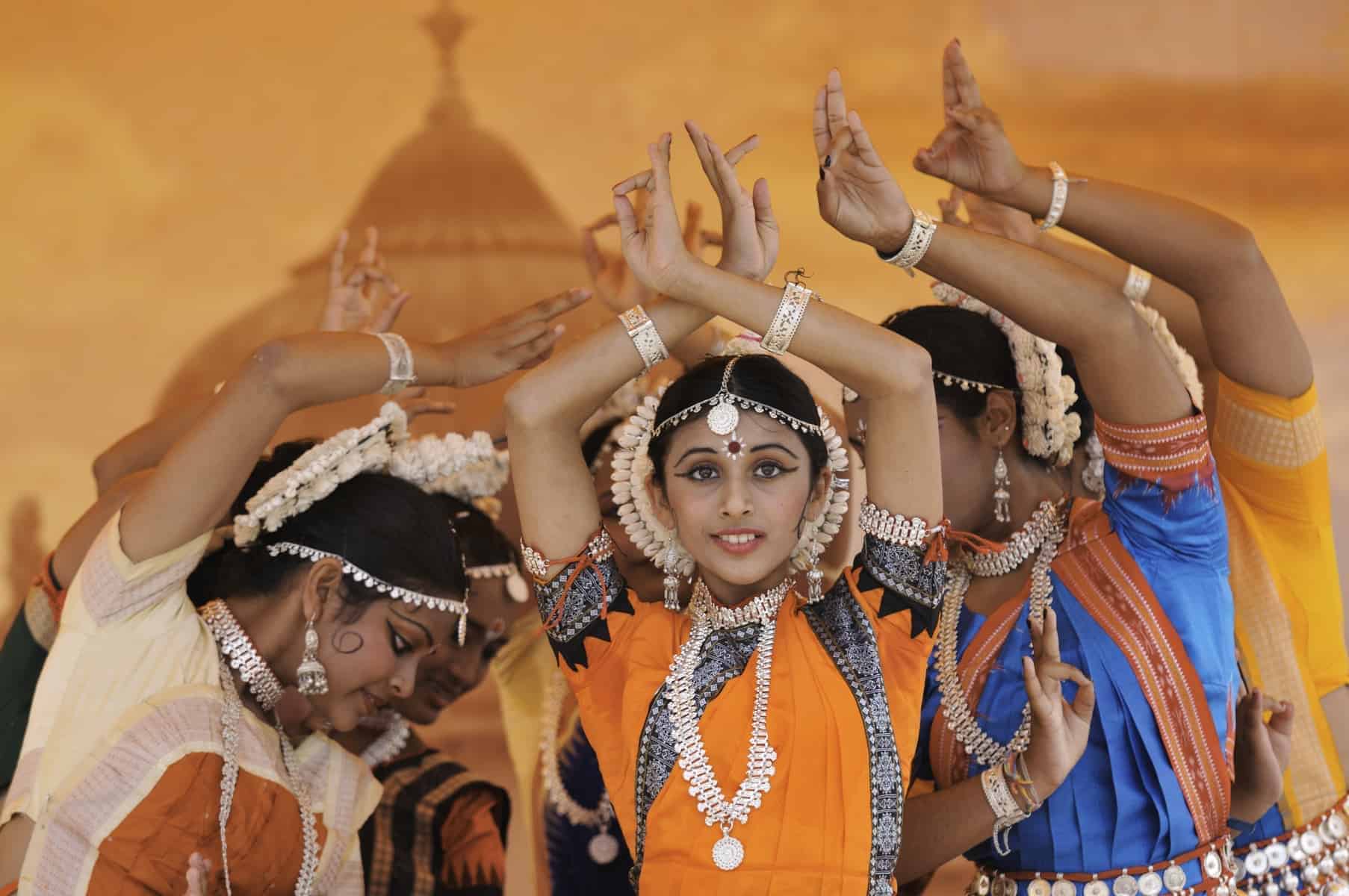
India’s history stretches back no less than 5,000 years, and the spiritual wisdom in its intellectual heritage is recognised by everyone and remains very much alive today. Yoga in all its forms and styles, not least, contributes to our understanding of it. But again, it is spread across several religions and philosophies.
Places worth visiting in India
Mumbai
Goa
Chennai
Learn more about Indian food
Where to stay
India has a surprisingly broad range of accommodation, but the quality varies far more than the price suggests. In the big cities you will find budget hotels close to the railway stations, and they are often the only sensible option when arriving late or early. Here you should expect simple standards, and it is a good idea to check the water pressure, the air conditioning and the locks before unpacking completely.
Guesthouses are often the best choice outside the major cities. Many are family-run and offer breakfast, local information and a quiet base from which to explore the area. Standards vary considerably, so read reviews carefully and pay attention to how far the place is from noisy streets.
In Delhi, Mumbai and Jaipur there are also large international chains and traditional palace hotels in colonial style or in princely buildings. Here you pay considerably more, but in return you get service, a pool and a calmer atmosphere. Some of the most remarkable are converted palaces, where the atmosphere is part of the experience.
On the main routes, particularly in Rajasthan and around the great temples, many places to stay are located in the middle of tourist areas. This often means higher prices in peak season, so it is wise to book well in advance, especially in October and November and around major festivals. Outside peak season you can often negotiate a better price, particularly for longer stays.
Sights:
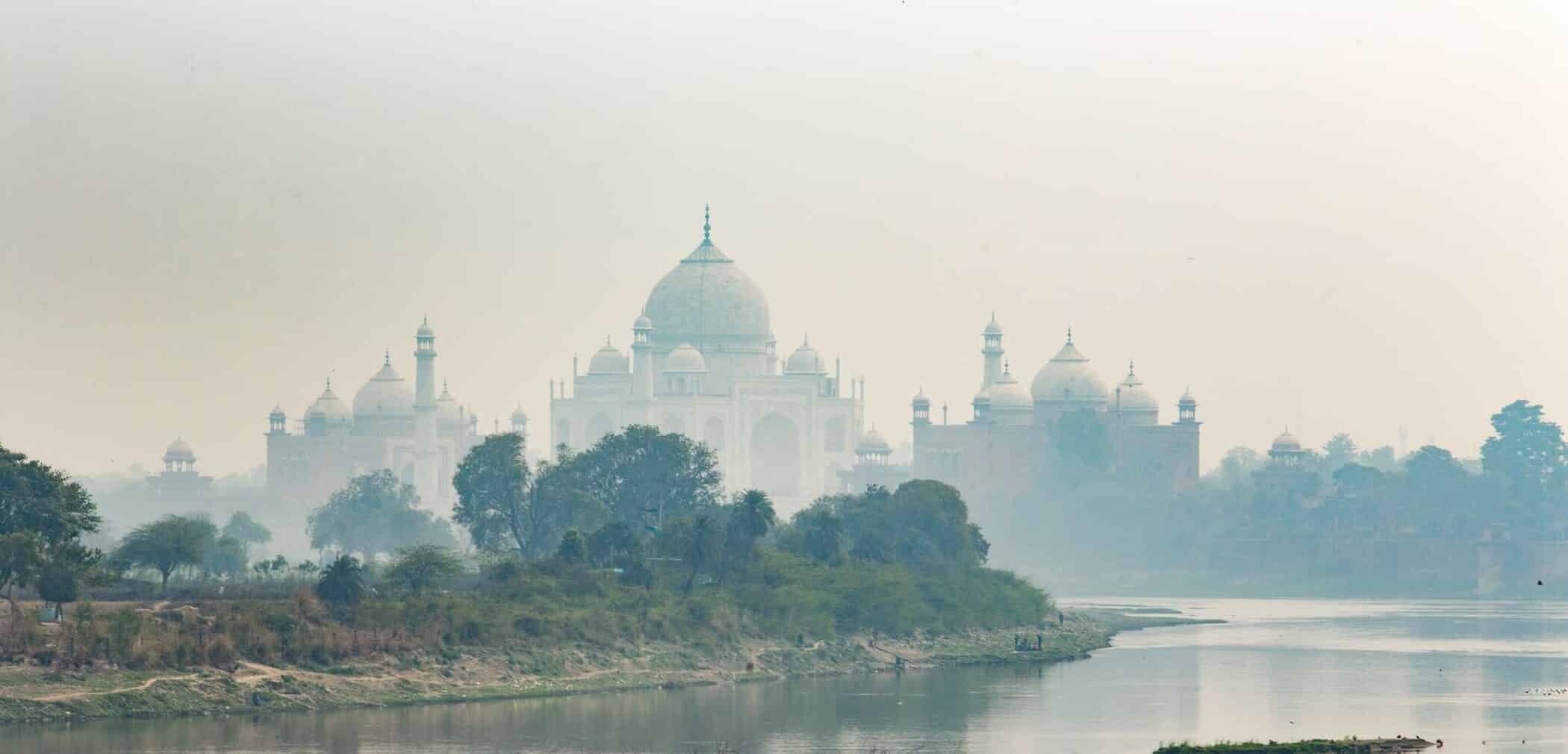
Taj Mahal, the iconic domed Mughal mausoleum
The Ganges, the sacred river
Amer Fort, a 16th-century fort & palace
Humayun’s Tomb
Etiquette and respect in temples and homes
Dress matters a great deal in India, particularly outside the tourist areas of the big cities. Women should cover their shoulders, chest and knees, and men should avoid shorts at shrines. Many temples require you to remove your shoes before entering, and some also ask that you cover your head. Always take your shoes off before stepping into a home.
Strict rules apply in temples and shrines. Photography is often prohibited inside the sanctuary itself or in certain rooms, and it is important to respect the signage. Ask permission before photographing people, especially women, sadhus and children. Many appreciate being asked, and a no should be respected without argument.
When greeting people, a slight nod with the palms pressed together or a gentle namaste is a friendly and respectful gesture. Avoid pointing your feet at people or sacred objects, and refrain from touching anyone’s head, as this is considered offensive.
Be careful with public displays of affection between the sexes, as kissing and physical contact in public are seen as inappropriate. Nor should you ride in a cart with a cow alongside, and do not show regard for cattle in a way that could be misunderstood. If in doubt, follow the example of the locals.

A route through North and South India
A classic first trip is the Golden Triangle between Delhi, Agra and Jaipur. Start in Delhi, where you should set aside at least three days for the old quarters, the Qutub Minar and the great mosques and markets. Then take the train or a car to Agra, where two days are advisable, one for the Taj Mahal at sunrise and one for Agra Fort. On to Jaipur, where three days leave time for Amer Fort, the city’s palaces and the local bazaars.
For a different experience, you might choose Kerala in the south of the country. Here you should allow around four to five days, which can be spent on boat trips through the backwaters, the tea-growing areas in the hills and the coastal towns. Kerala is greener and calmer than North India, and it gives the journey a completely different rhythm.
Combining the routes, two weeks is realistic, but it requires accepting long train journeys and a tight schedule. It may be wise to split the trip in two if you have less time, and instead choose one of the routes in greater depth.
Food and dining
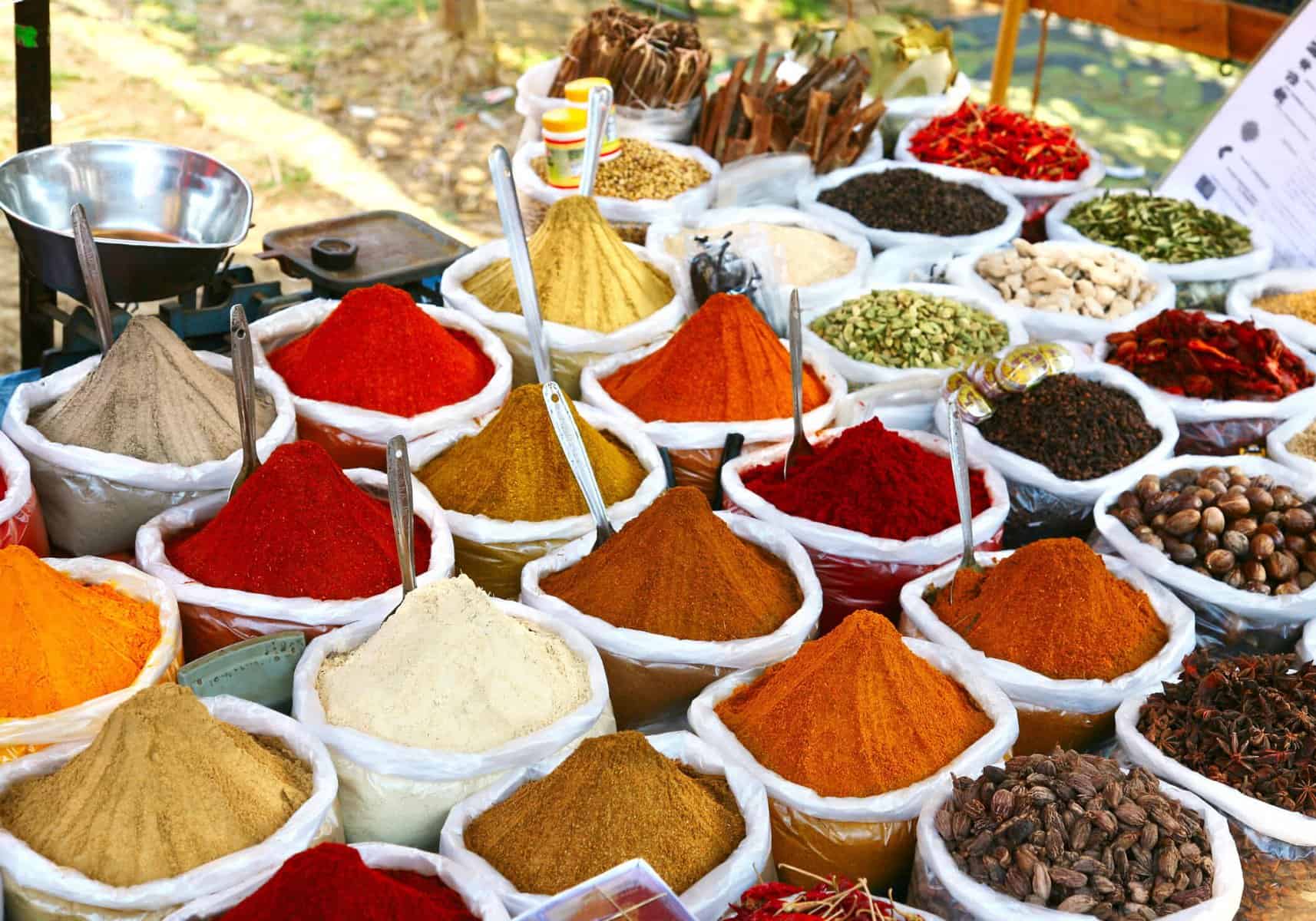
Indian food is far more regional than Danish restaurant culture might suggest. In Rajasthan you encounter dry, robust dishes with beans, lentils and bajra millet, while Gujarat is known for its light, slightly sweet cuisine with dhokla and thali. In Kerala coconut, fish and curry leaves dominate, and in Kolkata the Bengali cuisine with fish and mustard flavours is especially worth trying.
For vegetarians, India is one of the most welcoming destinations, because a large part of the population eats vegetarian for religious reasons. Many restaurants clearly mark pure veg, and a thali is an excellent choice, as you get a portion of several dishes on one plate. Be aware that ghee and dairy products are widespread, so ask if you want vegan food.
Street food is an experience, but it calls for care. Choose places with many local customers, where the food is cooked fresh and served hot. Avoid salads, unpeeled fruit and ice that has not been bought from a well-known shop, and drink only water from sealed bottles. Many travellers suffer stomach upsets in the first few days, so start cautiously.
The hand is often what is used to eat, especially at traditional meals. Use only your right hand, as the left is traditionally regarded as unclean. You may ask for cutlery, and at many restaurants you will get it without any trouble.
Traveltalk covers the following destinations in Asia:
- Armenia
- Bali
- Bangladesh
- Cambodia
- The Philippines
- Hong Kong
- India
- Indonesia
- Japan
- China
- Laos
- Malaysia
- Maldives
- Myanmar
- Nepal
- Pakistan
- Singapore
- Sri Lanka
- South Korea
- Taiwan
- Thailand
- Turkmenistan
- Turkey
- Vietnam
What does it cost to travel in India?
Price levels in India are far lower than in Denmark, but they vary considerably depending on how you travel. The prices below are indicative and should be seen as a rough framework rather than precise figures. Prices change over time and depend on season and destination.
Backpackers can typically manage on a daily budget that covers simple accommodation in a guesthouse or hostel, local food and domestic buses or trains in ordinary class. It is possible to live cheaply, but remember to set aside a buffer for unforeseen expenses and for transport, which is often the largest item.
A mid-range traveller will typically spend more on hotels of a better standard, restaurant meals and private transport or taxis for day trips. This makes for a more comfortable trip without it becoming expensive compared with Western Europe.
Luxury travellers pay for palace hotels, private guides and exclusive experiences. Here the price varies greatly, and it is worth getting quotes well in advance, as the cost of the best places can rise sharply in peak season. It is also worth having a plan for how you will exchange money and pay, as cash is still necessary in several places.
Practical travel information for India
🛂 Visas and entry
- e-visa: Danish citizens need an e-tourist visa, which is applied for online before departure (indianvisaonline.gov.in). A 30-day visa costs approx. USD 25 (double entry); 1- and 5-year visas are also available.
- Apply at least 3–5 days in advance (preferably 10). Entry must take place via an approved airport or port.
- Passport: valid for at least 6 months.
💰 Currency and money
- Currency: Indian rupee (INR).
- Cash is necessary in many places; cards are accepted at hotels and in cities.
- ATMs: widespread.
- Tipping: around 10% is appreciated.
🚗 Transport, time zones and health
- Flight time from Denmark: approx. 8.5–11 hours (partly direct to Delhi).
- Getting around: the extensive rail network is cheap and an experience in itself; domestic flights cover the long distances.
- Best time to travel: October–March (cool and dry); avoid the monsoon from June to September and the extreme heat of April–May.
- Time zone: 4.5 hours ahead of Danish winter time.
- Languages: Hindi, English and many regional languages.
- Health: no mandatory vaccinations, but hepatitis A, typhoid and mosquito protection are recommended; malaria in certain areas. Be careful with food and water — drink bottled water.
- Safety: follow the Danish Ministry of Foreign Affairs’ travel advice.
Besuchen Sie unsere globale Website hier für weitere Reisetipps und Inspirationen auf Englisch
Wine and food articles at winetalk.dk
Good to know about India:
Capital: New Delhi
Population: 1.252 billion (2013)
Currency: Indian rupee
President: Pranab Mukherjee
Official languages: Hindi, English
Taxis, tuk-tuks and women’s safety
Transport is the practical challenge that many travellers fear most. Only use official taxis or apps where the price and route are recorded, or agree the price in advance before you get in. Tuk-tuk drivers often offer cheap rides, but they are also known for driving to shops where they receive a commission. If you are taken to a shop you had not planned to visit, say no and move on.
Scams are widespread in tourist areas. Typical examples include claims that the monument is closed today or that the train has been cancelled, so that you are taken to a particular travel agency or shop. Trust your own information and check official sources. Also be wary of people who offer to guide you unsolicited.
For women, extra thought is required. Many travellers experience harassment, especially on crowded public transport and in busy public places. Preferably travel with official taxis, and share your route with a friend. Cover your shoulders and knees, and be aware of who is sitting close to you. There are also dedicated women’s carriages on many trains, which many women prefer.
Keep your passport and valuables close to your body, and use a money belt. Avoid displaying large sums of money, and consider sharing the trip with a colleague or friends if you are travelling alone for the first time.