
From the traveltalk.dk family – started in Denmark in 2018
Read in: Dansk (original)
Sri Lanka offers authentic Asian adventures
Sri Lanka is a state in the southern part of Asia, made up of a larger island and a number of smaller islands lying south-east of India. Until 1972 the country was known as Ceylon, and it was one of the countries hit hard by the tsunami caused by the Indian Ocean earthquake on 26 December 2004.
But today the country is an exceptionally beautiful destination.
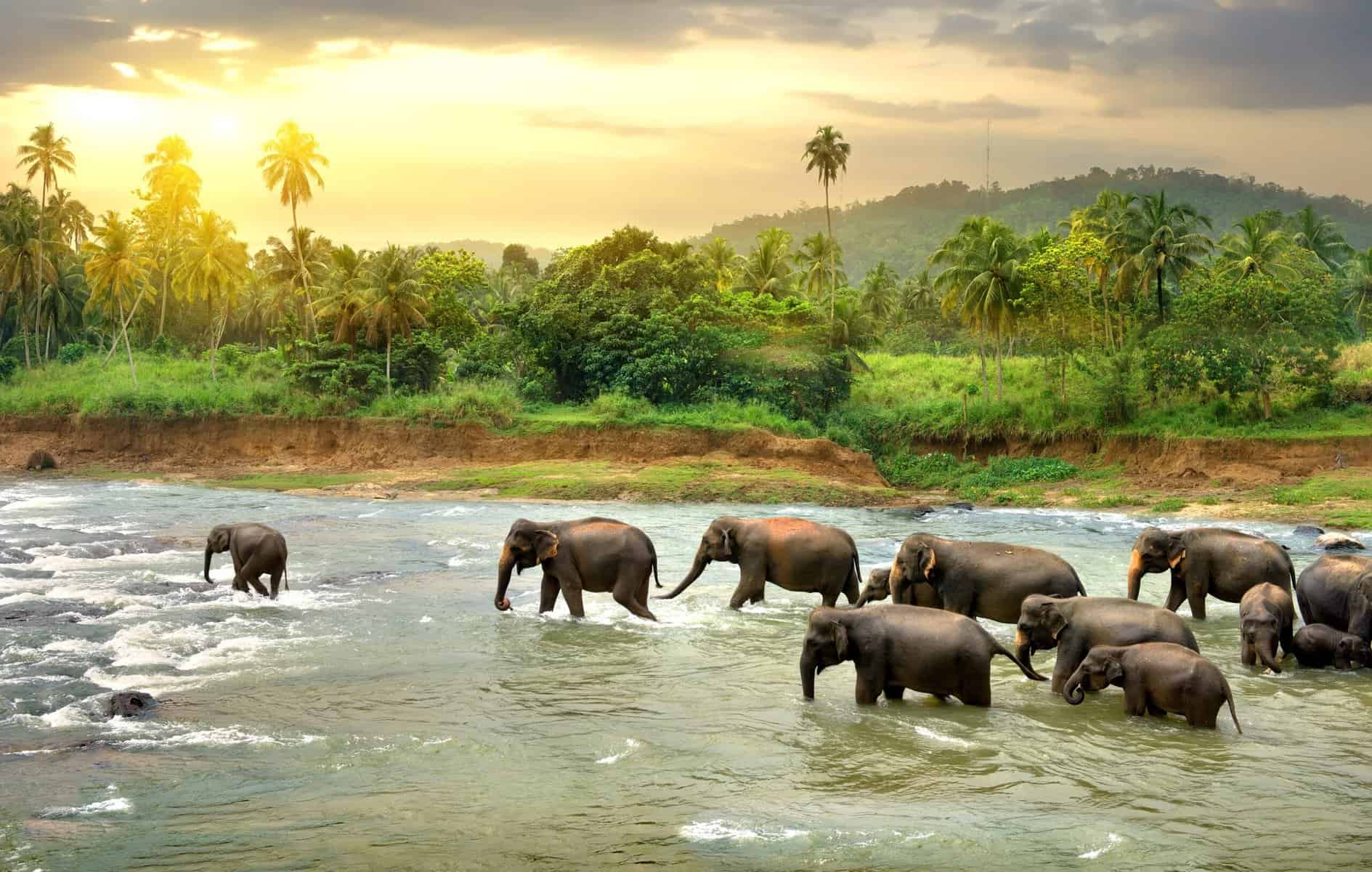
Sri Lanka, an almost untouched destination
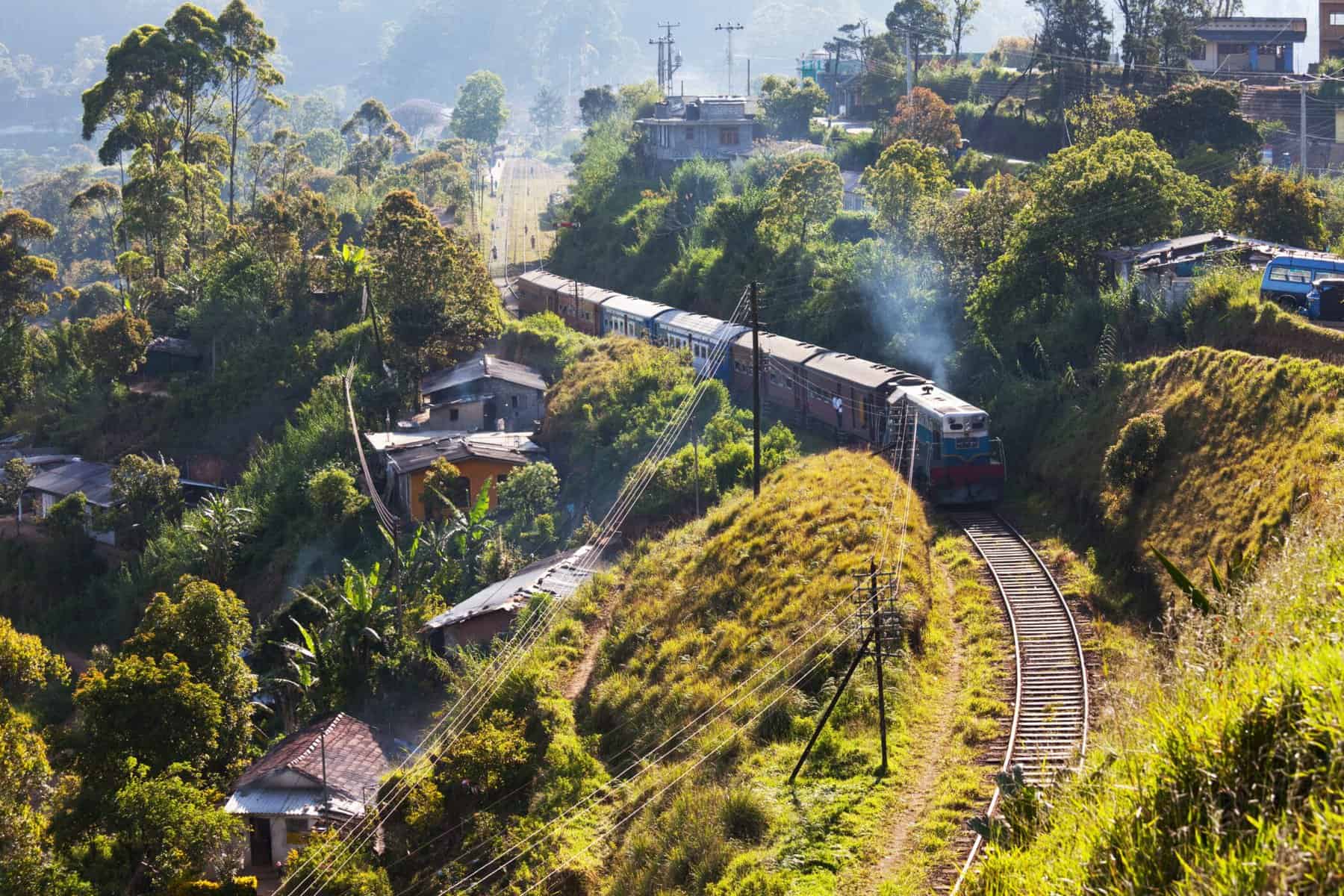
This lush island belongs to an exclusive group of countries in Asia that are more or less undiscovered and have largely escaped the scourge of mass tourism. Yet the island has only recently become relevant for genuine tourism. In recent years it has been equipped with infrastructure that works, including some of the most beautiful railway routes, and there are excellent hotels for those who would rather not sleep on the beach.
Lonely Planet names Sri Lanka best in class
It is more than ten years since the country just south of China emerged from a brutal civil war. In that short time, the island was named the best country to visit in 2019 by Lonely Planet. We hope it can cope with the surge in tourism it is now experiencing. It is like instant fame for a rock musician: not so easy to handle. Ask Bali and Boracay. It takes a plan, large investment, patience and experienced travel reassurance at the right price.
Over 2 million visitors
Annual visitor numbers have grown from 450,000 in 2009 to over 2 million last year. It is expected to double in 2020. Other countries, such as the Philippines, which has some of the most beautiful islands in the world, came to an abrupt halt in 2018 on Boracay and closed the island to tourism for over six months (it is open again, cleaner than it has been for years). This is an island that often features in the top 10 of the many more or less serious “best tropical island” lists in the tourism world. Sri Lanka also has great potential for more tourism.
Travel to Sri Lanka, an immensely beautiful country
More articles about Sri Lanka
Getting around the island
There are several ways to get around, and they suit different travel styles. The train is the most memorable option, especially the route up through the tea country towards Ella and Nuwara Eliya, where you sit with the windows open and look out over the terraces. Trains are often full, so it is wise to buy tickets well in advance, both for the popular departures and for the more expensive classes with reserved seats.
Buses are cheap and fill the island’s main roads, but they can be crowded and slow. It takes patience and a little experience to find the right bus and work out where it stops. The tuk-tuk is good for short trips around the towns and for getting from the station to the hotel. Agree the price before you get in, ideally with a local friend or your hotel as a reference.
A private driver with a car is the most flexible solution, and many people choose it for a full tour. Agree the price, the daily schedule and which stops are included before the journey begins. The mountain roads are narrow and winding, so allow plenty of time, especially when travelling between the coast and the hills.
It is sensible to carry cash in small notes for trains, buses and tuk-tuks, as card payment is not always possible outside the larger towns.
Where to stay
The coastal areas are the most visited, and here you will find everything from large resorts to small guesthouses with a few rooms. Most of the bigger hotels are around Bentota and Hikkaduwa, while Mirissa and the smaller bays in the south attract quieter stays in bungalows close to the beach. Price levels vary widely, but the small guesthouses are generally cheaper than the large hotels.
Kandy is built around the lake and the temple, and here you typically stay in guesthouses and boutique hotels in the hills around the town. It is a good base for trips to nearby sights and for strolling the town’s streets in the evening.
In the tea country there is a wide choice of plantation hotels and old bungalows, many with views over the tea estates. Ella and Nuwara Eliya have most of their accommodation in exactly this style, and here you can often find peace and a more classic experience. Prices are often a little higher than in the small towns in the south, because demand is strong.
Sigiriya and the area around Dambulla have a mix of boutique hotels, eco-lodges and simpler guesthouses. In high season it is a good idea to book well ahead, as many people choose to visit the rock fortress early in the morning.
The price of a night’s stay depends on the season and standard, and it is a good idea to compare several options before deciding.
Food and drink
Food is one of the great experiences in Sri Lanka, and it is far more varied than you might expect. Rice and curry is the foundation of most of the country. It is typically served as a portion of rice with several small dishes, often with lentils, vegetables, fish or meat in strong, spiced sauces. Every eatery has its own version, so it is worth trying your way through them.
Hoppers are thin, bowl-shaped rice-flour pancakes with coconut, often eaten for breakfast or supper. There is also a version with an egg in the middle, and it is especially popular in the small eateries along the roads. Kottu roti, chopped flatbread fried on a large griddle with vegetables and spices, is another local favourite, and you can often follow the sound of the chopping blades down the street.
Sri Lankan tea is a natural part of the experience, especially in the tea country, where you can visit plantations and taste different varieties. Coffee is more common in some of the larger towns and in hotels, and it is often served strong and sweet.
To eat safely, it is wise to choose busy places where the food is cooked fresh. Avoid uncooked vegetables and salads if you are worried about your stomach, and drink only bottled water or boiled water. Local eateries are often cheap and good, and they are a great way to eat your way across the island on a small budget.
What a trip costs
Sri Lanka is one of the countries in Asia where a trip can be planned on a moderate budget, but the price depends a great deal on where you stay and how you travel. A simple guesthouse or basic bungalow typically costs far less than a large hotel, and in peak season prices rise sharply in popular places such as Ella and the southern beaches.
Food at local eateries is cheap, and a generous plate of rice and curry costs a fraction of what you would pay in a tourist restaurant. If you eat at your hotel or in the restaurants of the larger towns, costs climb quickly, but they remain low compared with Europe.
Transport can be a major expense if you choose a private driver. It is often the most convenient option, but the price is agreed individually and can vary considerably. Trains and buses are significantly cheaper and offer a more authentic experience, but they require more time and planning.
It is a good idea to draw up a realistic budget before you travel, and to allow for national park entry fees, safaris and activities such as hiking and diving. Choose a few expensive experiences rather than scrimping on everything.
Main attractions and sights
Sigiriya is a rock that rises almost vertically from the flat plain, and its summit holds the remains of a royal fortress from the fifth century. The climb up the steps and through the ancient gardens is demanding, and it is best to start early, before the heat and the crowds arrive. It suits those who enjoy history and a good view.
Kandy is the island’s cultural heart, and the town around the lake is home to the Temple of the Tooth. It is a peaceful and beautiful place, especially at evening prayers, and the town is easy to explore on foot. It suits travellers who want to immerse themselves in religion and local life.
The tea country around Nuwara Eliya and Ella is one of the most photogenic areas on the island. Here you can visit plantations, watch the pickers at work on the slopes and hike through the mountains. It suits those who want nature and tranquillity.
Yala and Udawalawe are the best-known national parks for wildlife safaris. Here you can see elephants, mammals and birds in their natural habitat. A safari requires an early start and patience, but it is one of the most memorable experiences on the island.
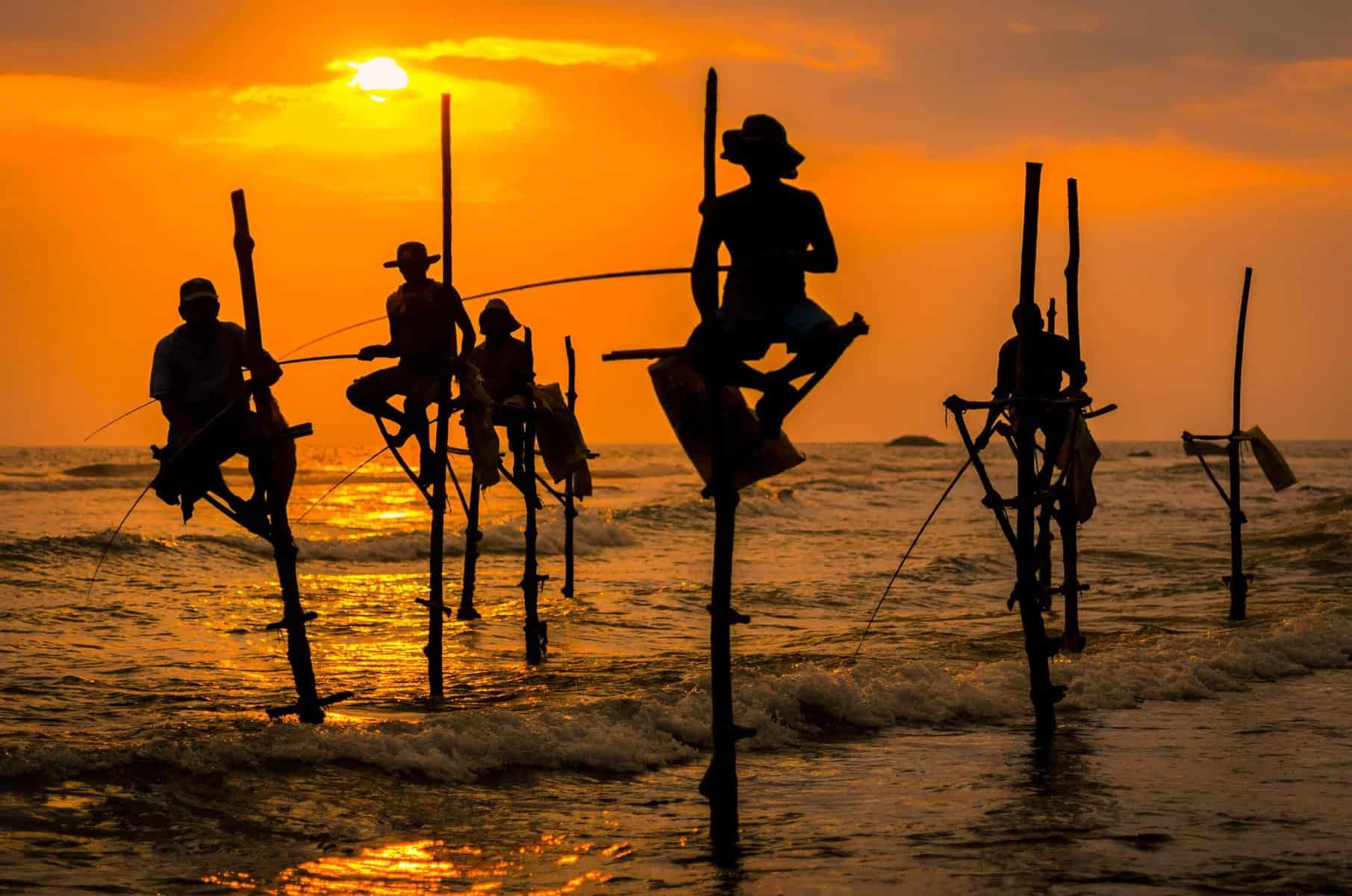
The south coast, with its small fishing villages and beaches, suits those who want to relax and dive or snorkel. The east and north coasts are more untouched and suit travellers seeking quiet and long stretches of sand.
Practical travel information for Sri Lanka
🛂 Visas and entry
- ETA: visitors from Denmark and other European countries must obtain an electronic travel authorisation (ETA) before arrival, but it is free for 30 days (since May 2026 for, among others, EU countries). It allows double entry and can be extended in Colombo.
- Passport: must be valid for at least 6 months. 💰 Currency and money
- Currency: Sri Lankan rupee (LKR).
- Cash is needed in many places; cards are accepted at hotels and in towns.
- Cash machines: available in the towns.
- Tipping: around 10% is appreciated. 🚗 Transport, time and health
- Flight time from Denmark: around 12–14 hours with one stop.
- Getting around: the train through the tea country is an experience in itself; a private driver is popular and affordable.
- Best time to travel: the monsoon divides the island — the south and west coasts are best December–March, the east and north coasts May–September.
- Time zone: +4.5 hours compared with Danish winter time.
- Languages: Sinhala and Tamil; English is widely spoken.
- Health: no compulsory vaccinations; hepatitis A vaccination and mosquito protection (dengue) are recommended. Drink bottled water.
- Safety: generally safe — follow the Danish Ministry of Foreign Affairs’ travel advice.
When to go
Sri Lanka has two coasts, and each has its own season. The west and south coasts, with beaches such as Bentota and Mirissa, are best from December to March, when the sea is calm and the sun is steady. In those months it is also the right time to snorkel and explore the small fishing villages along the coast.
The east coast, including Trincomalee and Arugam Bay, follows the opposite pattern. Here May to September is the best time, while the rest of the year often brings heavy rain and rough seas. If you want to combine both coasts, you could choose a trip in May or November, when the change between monsoons offers some balance, although the weather can shift from one day to the next.
The highlands around Nuwara Eliya and the tea country have a temperate climate and can be visited for most of the year. The best time for hiking is typically January to March, when there are the fewest clouds over the peaks. Many tea estates look greener in the wet months, but the trails become muddy easily.
Wildlife safaris in national parks such as Yala and Udawalawe are best suited to the dry period, from May to September in most parks, when animals gather around the waterholes. Yala has a special season, however, so it is worth checking which areas are open at the time you plan to travel.
More about Sri Lanka
Nearby
Kazakhstan
Kazakhstan, also spelled Kasakhstan, has a truly incredible natural beauty that travellers can experience. Adventure and…
The Philippines
The Philippines is one of Asia's most spectacular travel destinations — an archipelago of 7,641 islands…
Laos
Laos is one of South-East Asia's most distinctive destinations. It is the only country in the…


