
From the traveltalk.dk family – started in Denmark in 2018
Read in: Dansk (original)
Serbia – a Balkan country of history, charm and new times
Serbia is a country at the heart of the Balkans and a destination undergoing rapid change. Many travellers still know little about the country, which only makes it all the more interesting for the curious visitor.
Since the early 2000s, Serbia has been working towards EU membership, and negotiations on accession are still ongoing. The historical background is complex: Serbia has been an independent kingdom, part of the former Yugoslavia and later part of Serbia and Montenegro, before becoming independent again in 2006.
The country borders no fewer than eight countries – including Croatia, Montenegro and Hungary – and occupies a strategic position as a hub for culture and trade in the region.
Capital: Belgrade
Largest city: Belgrade
Population: approx. 7 million
Language: Serbian
Area: 88,361 km²
Time difference: None
Currency: Serbian dinar (RSD)

Is it safe to travel to Serbia in 2025?
Yes, in general Serbia is a safe country to visit as a tourist. Belgrade, Novi Sad and other popular cities are known for their friendly populations and relatively low crime levels.
However, ordinary precautions are advisable – especially in larger cities – and demonstrations, which can occasionally occur, should be avoided. Particular attention is also recommended near the border with Kosovo, where the political situation can at times be tense.
The Danish Ministry of Foreign Affairs does not currently advise against travel to Serbia, but recommends that travellers keep up to date via its website.
Always check the current travel advice for Serbia from the Ministry of Foreign Affairs.
All in all, Serbia is a safe and exciting choice for travellers who want to experience a different part of Europe, with plenty of culture and history.

Practical matters before you travel
Danish citizens can normally travel to Serbia with a valid passport, and you should check that your passport remains valid for the entire period you plan to stay in the country. Always check the current entry requirements with the Ministry of Foreign Affairs, as they can change and apply to your specific passport and length of stay.
Payment is mainly made in Serbian dinars. In Belgrade and other larger cities, cards are accepted in many places, especially in hotels and larger restaurants. At markets, in small shops and in the countryside, you should carry cash. Cash machines are found in the towns. Do not rely too heavily on card payment outside the cities.
Serbian is the official language, and it is written in both Cyrillic and Latin alphabets. Many young people in Belgrade and Novi Sad speak English, but it is less widespread in the countryside. A few phrases help: “Hvala” means thank you, “Molim” means please or go ahead, and “Dobar dan” is a good greeting during the day.
Mobile coverage is good in the towns and along the main roads. Many hotels and cafés offer wifi. In the countryside coverage can be weak, so download maps and information in advance. Check your mobile contract for roaming so you do not receive an unexpected bill.
What does a trip to Serbia cost
Serbia is one of the more affordable destinations in Europe, although prices in Belgrade are above those in the rest of the country. The exchange rate for the Serbian dinar can fluctuate, so always check the current rate before setting a budget. As a rough guide, you can expect a simple lunch at a local restaurant to cost considerably less than in Denmark, while a dinner with wine at a busier restaurant in Belgrade sits at a mid-to-upper level.
- Food: A local lunch is cheap, and dinner in an ordinary restaurant comes in well below Danish prices.
- Transport: City buses and taxis are cheap, while hire cars and fuel become the biggest expense if you drive long distances.
- Accommodation: Hostel beds are the cheapest, and hotels in Belgrade cost more than in the smaller towns.
- Attractions: Most fortresses, museums and monasteries charge small entrance fees.
Check current prices with the providers you intend to use, and allow a small margin for unexpected costs. If you want an exact amount in Danish kroner, convert on the day rather than relying on a fixed figure.
Serbian food and wine – unexpectedly good
Serbian cuisine is an exciting blend of Turkish, central European and Balkan traditions – and often a pleasant surprise for visitors. The food is hearty, flavoursome and often made from scratch with local ingredients.
Well-known dishes include:
Ćevapi – small grilled minced meat rolls served with flatbread and onion
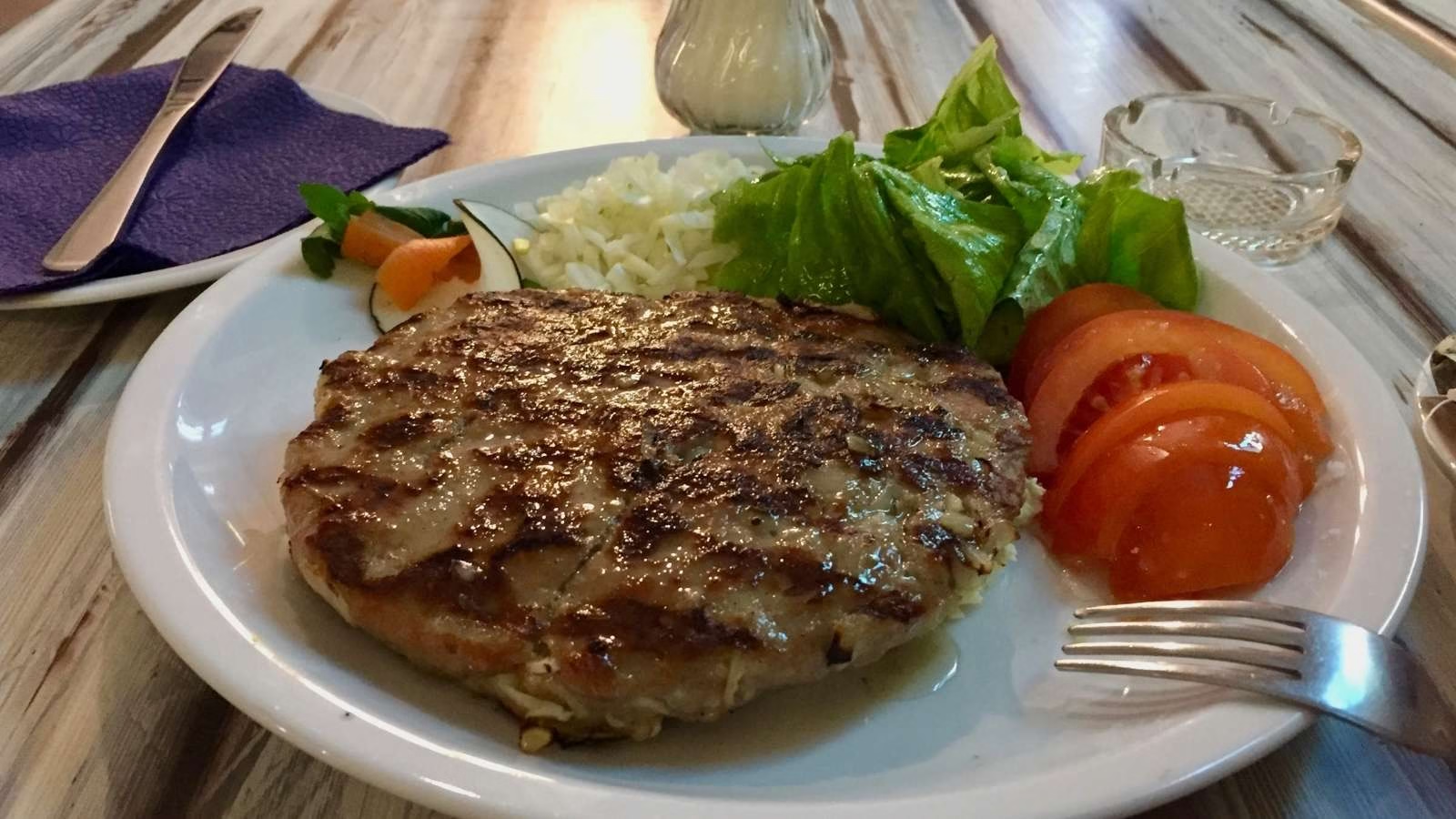
Pljeskavica – the Balkan answer to a burger, often spiced and juicy
Sarma – cabbage rolls filled with meat and rice, especially popular in winter
Ajvar – a spiced purée of red pepper and aubergine, served as an accompaniment
Serbia is also an underrated wine country. The areas around Fruška Gora and Župa in particular produce quality wines – both white wines and full-bodied reds made from local grapes such as Prokupac and Tamjanika. Many vineyards offer tastings, and you will often find good wine at far lower prices than in western European countries.
A meal in Serbia is not just about the food – it is often a social occasion. Expect generous portions, warm hosts and perhaps some local music in the background.
How to get to Serbia from Denmark
Getting to Serbia from Denmark is easy and relatively inexpensive. There are direct flights to Belgrade from both Copenhagen and Billund with airlines such as Air Serbia, Wizz Air and Norwegian. The flight takes about 2 hours and 15 minutes.
Most international flights land at Nikola Tesla Airport, which lies approx. 18 km from central Belgrade. From there you can take a taxi, bus or private transfer into the city.
For the adventurous, it is also possible to drive to Serbia – the route typically runs through Germany, Austria and Hungary and takes around 18–20 hours from Denmark. Train connections also exist, but they require several changes and take longer.
Getting around Serbia
The country is not large, but travelling between towns takes longer than the maps suggest. The bus is the most widespread way to get around. Buses run between the largest cities and are usually cheap and frequent on the popular routes. Trains are slower and less reliable, and many lines are in poor condition, so they are best suited to a journey where time is not critical.
A rental car offers the greatest freedom, especially if you want to visit monasteries and villages in Fruška Gora or the wine regions of Župa. The road network varies greatly. The motorways between Belgrade and Novi Sad are good, but many country roads are narrow, worn and without edge lines, and farm machinery, cattle or soft verges can suddenly appear. Drive carefully in the evening and in the mountainous areas, and be prepared for signs and satnavs not always matching reality.
Before renting a car, make sure your insurance covers the whole area you plan to drive in. Also make sure you have a valid driving licence and the documents the rental company requires. In the cities, walking or taking a taxi is often the easiest option.
More articles about Serbia
When is the best time to travel to Serbia
Serbia has a continental climate with hot summers and cold winters, so the time of year matters more than many expect. Spring and autumn are clearly the most comfortable periods. In April, May, September and October, temperatures in Belgrade and Novi Sad are typically mild, and there are fewer tourists than in high summer.
July and August can be very hot, and in the big cities the asphalt and concrete feel heavy during heatwaves. On the other hand, this is when the country’s outdoor life is at its liveliest, and in the evenings the cafés along the river and in the old quarters fill up. It is a good time for those who can handle the heat and want to experience the summer atmosphere.
Winters are cold and grey, particularly in the northern Vojvodina region, but Belgrade has a lively festive season, and a winter weekend can be a quiet and affordable experience. If you are travelling during a particular festival period or in peak season, book accommodation early, as the best rooms in the cities often sell out.
Where to stay in Serbia
Belgrade has the widest range. Stari Grad and Dorćol are the most obvious areas for tourists, as they are close to the Kalemegdan fortress, Knez Mihailova Street and the river. Here you will find hotels, boutique hotels and small guesthouses in the old buildings. Savamala is an area with many bars and galleries and suits those who want to be in the middle of the nightlife. Hostels are found mainly in the centre, and they are typically in the lower price range.
Novi Sad is smaller and quieter, and the city centre is easy to walk around. It is a good place to stay near the Petrovaradin Fortress and the old town, and there is a fine selection of smaller hotels and private accommodation. Price levels are generally lower than in Belgrade.
In other towns and villages, for example in the wine regions around Fruška Gora, guesthouses and small family-run pensions are the most common form of accommodation. They are often homely and inexpensive, but there are fewer facilities, and language can be a challenge outside the larger places. Feel free to book in advance, especially at weekends and in peak season.
More about Serbia
Nearby
Croatia
Croatia has become Europe's most popular summer destination, and it is easy to see why. With…
Luxembourg
Luxembourg is, after all, something as exotic as a grand duchy. With plenty of heavy industry,…
Romania
Romania is widely considered one of the most beautiful countries in Eastern Europe, and it is…


