
From the traveltalk.dk family – started in Denmark in 2018
Read in: Dansk (original)
Tanzania as a destination
Few destinations in Africa can match Tanzania’s wealth of wildlife, cultures and sweeping landscapes, from savannah to coast. The classic safari destination is the Serengeti, but so much else calls to our curiosity.
Tanzania is a true feast for the senses
Tanzania bombards your senses with unforgettable new impressions every day. One remarkable experience in Tanzania is joining a chimpanzee trek, getting close to the animals that most resemble us humans, and watching how they live in their natural habitat. It can be experienced in the rainforests of Mahale and Gombe.
We are in the neighbouring country of Karen Blixen (her farm was in Kenya), and Kilimanjaro’s snow-capped summit completes the picture of the perfect savannah. See how beautiful and majestic East Africa is. Right in the heart of the most classic savannah, the Serengeti.
Serengeti safari, see the magnificent Africa
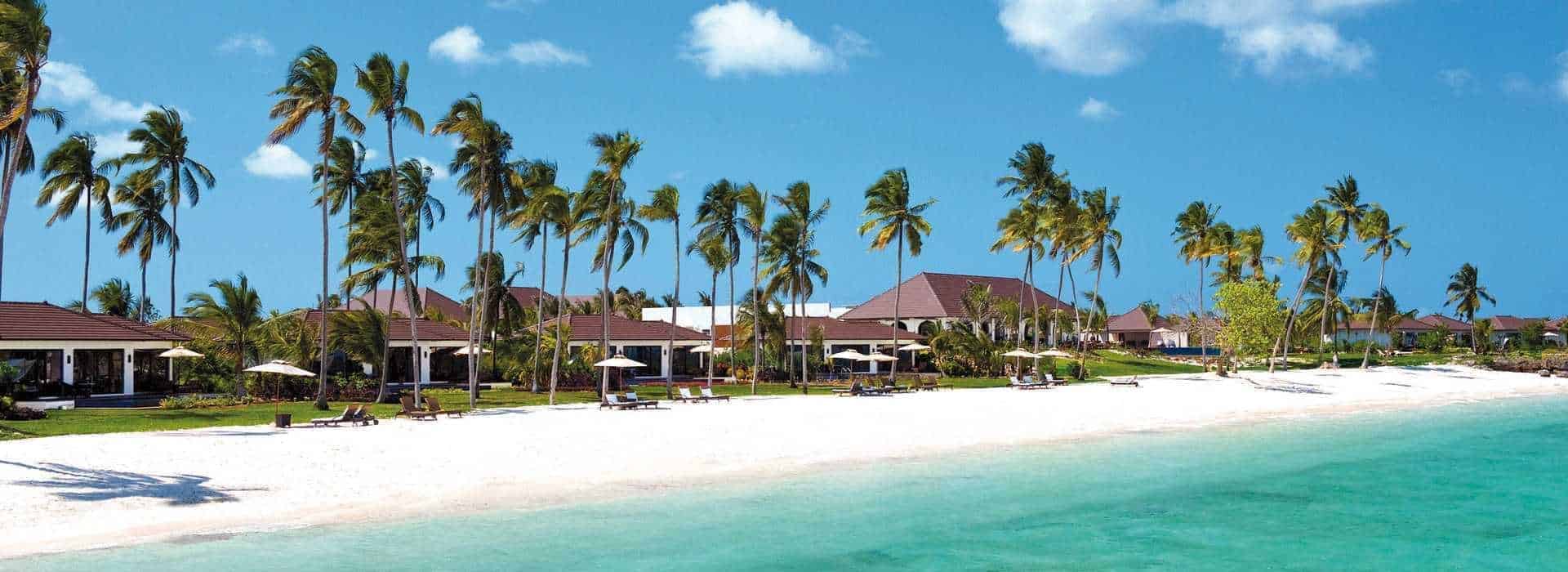
Zanzibar’s wide beaches
But having travelled so far, Tarangire and the Ngorongoro Crater should also be seen, and finally the beaches and coral reefs of Zanzibar, which is part of Tanzania, are of great beauty too. The entire tropical coastline is worth seeing.
Tanzania’s recent history
Tanzania is a democratic federal republic on the east coast of Africa. The republic was established in 1964 when Tanganyika and Zanzibar united and adopted a common constitution. Tanzania borders Kenya, Uganda, Rwanda, Burundi, the Democratic Republic of the Congo, Zambia, Malawi and Mozambique, as well as the Indian Ocean.
From German and British rule to independence. From the 1880s until 1919, Tanganyika (the mainland part) formed part of the German colony of German East Africa. After Germany’s defeat in the First World War, the territory was transferred to Britain, where it remained until independence in 1961. Tanzania’s capital today is Dodoma, but Dar es Salaam is still the country’s most important city.
Travel to Tanzania and Africa
- Safari in Africa, 8 countries
- Travel across all of Africa, overview
- Safari in Tanzania
- Africa and its many travel experiences
- The great wildebeest migration
More articles about Tanzania

Practical travel information for Tanzania
🛂 Visas and entry
- e-visa: Danish citizens must obtain an e-visa in advance (visa on arrival was abolished in 2025) — a single entry costs approx. USD 50 via visa.immigration.go.tz, 5–10 working days. It covers both the mainland and Zanzibar.
- Zanzibar: all travellers to the island must have compulsory entry insurance (approx. USD 44 via Zanzibar Insurance Corporation) — the mainland is exempt.
- Yellow fever: not required for direct travel from Denmark. Passport valid for at least 6 months.
💰 Currency and money
- Currency: Tanzanian shilling (TZS); park and lodge fees are often paid in USD.
- Bring cash in USD; cards are accepted at the larger lodges and in towns.
- Tipping safari guides and staff is customary.
🚗 Transport, time and health
- Flight time from Denmark: approx. 10–13 hours with connections.
- Getting around: small planes between the Serengeti, Ngorongoro and Zanzibar; 4×4 with a guide on safari.
- Best time to travel: the dry season June–October (the Great Migration) and January–February; Zanzibar is best in June–October and December–February.
- Time zone: +2 hours compared with Danish winter time.
- Languages: Swahili and English.
- Health: malaria zone — malaria prophylaxis and insect repellent are necessary; hepatitis A and typhoid are recommended. Drink bottled water.
- Safety: follow the Danish Ministry of Foreign Affairs’ travel advice.
Costs and budget
Tanzania is not a cheap destination, although there are ways to keep costs down. The biggest item is often the safari. Prices vary widely depending on the type of vehicle, guide, accommodation and how many days you are away. It is worth getting a precise quote that shows what is included, as the difference can be considerable.
Park fees are usually charged per person per day and are set in dollars. They may seem small individually, but over several days in several parks they add up to a significant item. Plan to pay them in cash in USD or by card where accepted. Always check the current rates before you travel, as they change.
Meals are often included at lodges and in safari packages, while drinks, tips and excursions should be budgeted for separately. Tipping guides and staff is customary and is a real part of the budget. Also leave a margin for unforeseen costs such as visas and insurance.
Food and drink
Tanzanian cuisine is simple and home-style. On the mainland and on Zanzibar, coconut, fish, rice, bananas and spices play a large role. Ugali, a thick porridge made from maize flour, is the common staple for many dishes, often served with vegetables and meat or fish. The coastal dishes of Zanzibar are influenced by Arab and Indian cooking and are often spicier.
On safari, the food is often adapted to what you would expect from Western lodges, with meat, vegetables and fruit. Many lodges offer a buffet or a three-course menu, and the quality varies from place to place. It is good manners to eat what is served, and to let the staff know if you have allergies or dietary needs.
Pay attention to hygiene. Drink only bottled water or water that has been boiled or filtered, and use bottled water for brushing your teeth too. Fruit that you peel yourself is normally safe. Raw or undercooked meat and fish, ice from machines, and salads on open buffets call for more caution, especially outside the larger hotels.
Safety and health
Tanzania is generally a stable destination, but you should follow the advice given by your own government’s foreign ministry and check it again closely before departure. Cities such as Dar es Salaam call for ordinary vigilance against pickpocketing and bag snatching, and you should not carry large sums of money or valuables on display. At night, it is wise to take a taxi rather than walk around alone.
On safari, the most important thing is to follow your guide’s instructions. Do not leave the vehicle or the lodge alone in areas with wild animals, and keep your distance from the animals. At night, be careful about walking out alone and use a torch, as animals move around the lodges.
Besides malaria, which requires prophylaxis and mosquito protection, vaccination against hepatitis A and typhoid is usually recommended. Speak to your doctor or a travel health clinic well in advance of departure, as some vaccines require several doses. Bring a travel medicine kit with painkillers, remedies for stomach upsets and plasters, and make sure you have travel insurance that covers medical treatment and evacuation.
Accommodation and lodges
Accommodation in Tanzania ranges from simple campsites and guesthouses to luxurious lodges with their own pools and private guides. Camping safaris are the cheapest and bring you closest to nature, but you sleep in a tent and should be prepared for sounds at night, including from large animals. Mid-range options offer huts or tented camps with bedding, bathrooms and a good standard of service.
Luxury lodges are often set apart in the wilderness and built with respect for the landscape. Here, the food and staff take centre stage, and many offer night safaris and guided walks. The prices reflect this, and many are included in a package with transport and guiding.
For safari, choose accommodation inside or close to the park, so that you do not spend hours driving back and forth. For a beach stay on Zanzibar, other criteria apply, such as distance to the beach and the quality of the reef. If your trip combines both, it is a good idea to plan short stays in Dar es Salaam or Arusha on arrival and departure, rather than spending long nights in the city.
Transport and arrival
Most travellers from Europe fly with a connection at a European or Middle Eastern airport and land at Dar es Salaam or at Kilimanjaro. Dar es Salaam is the country’s largest city and the main gateway to the mainland and to Zanzibar. Kilimanjaro airport is closer to the northern national parks, and many safaris start from there. Which airport suits you best depends on the route you plan.
From Dar es Salaam there is a ferry connection to Zanzibar, and flights by small aircraft or short-hop planes are also available. From Kilimanjaro and Arusha, you typically travel by road to the national parks. Distances are long and the roads are often poor, so many choose to fly by small aircraft between the parks to save time and energy.
Arrival at the national parks is usually by car with a driver. Expect long drives on gravel roads, where dust and potholes are part of the package. This is part of the experience, but it is not a quick transfer. It is therefore worth planning a day or two between arrival and your first safari, so your body can keep up.
Best time to travel
Tanzania has two distinct seasons for those who want to go on safari: a dry season and a rainy season. The dry season from June to October is the most popular, because the vegetation is sparse, animals gather around waterholes, and they are easier to spot. The roads in the parks also become more passable, although they can still be dusty and bumpy.
The rainy season does not mean days of continuous rain. It most often falls as heavy, short downpours, typically in the afternoon or at night. However, during the long rains from March to May, the smaller roads in the parks can become impassable, and some lodges close during that period. It is worth asking precisely before you book.
The Great Migration follows the rain and the grass. When the herds cross from the Serengeti to the Masai Mara and back varies from year to year, and no one can promise a specific date. In general, the herds are in the southern and central Serengeti during the wetter months, moving north and west as the dry season arrives. The river crossings in the north are the best-known highlight, and they fall in the latter part of the dry season. If that is exactly what you are after, arrange it with a safari operator who knows current conditions.
More about Tanzania
Nearby
The Seychelles
The Seychelles are a fairly small group of islands off the coast of Africa in the…
Mauritius
Mauritius is a breathtaking dream island with turquoise sea, beautiful beaches, excellent shopping and a distinctive…
Mozambique
Mozambique is one of Africa's most overlooked destinations – and it really shouldn't be. With more…


