
From the traveltalk.dk family – started in Denmark in 2018
Read in: Dansk (original)
Madagascar is an island like no other. As the fourth-largest island in the world, lying off the east coast of Africa, it harbours an ecosystem with animal and plant species found nowhere else on earth. Over 90 per cent of the island’s animal species are endemic, and the famous lemurs are only part of the story.
Here you get an overview of the nature, coastlines and culture of Madagascar, and why the island is an obvious destination for nature lovers, adventurers and anyone seeking a truly special travel experience.
Travel to Madagascar, the fourth-largest island in the world off Africa’s east coast
Madagascar is one of the most fascinating and unique travel destinations in the world. As the fourth-largest island and lying off the east coast of Africa, a trip to Madagascar offers an extraordinary ecosystem with a wealth of animal and plant species found nowhere else on earth. This island is a dream for nature lovers, adventurers and anyone looking to experience something truly special. Madagascar’s biodiversity is unmatched.

Over 90% of the island’s animal species are endemic, which means you can only find them here. The famous lemurs are among the most iconic animals on the island, and a safari through Madagascar’s lush rainforests gives you the chance to see several different species of these charming primates. You can also see magnificent baobab trees, colourful chameleons and unique bird species, which make the island a paradise for wildlife and nature enthusiasts. Madagascar is also home to fantastic beaches and coastal areas.
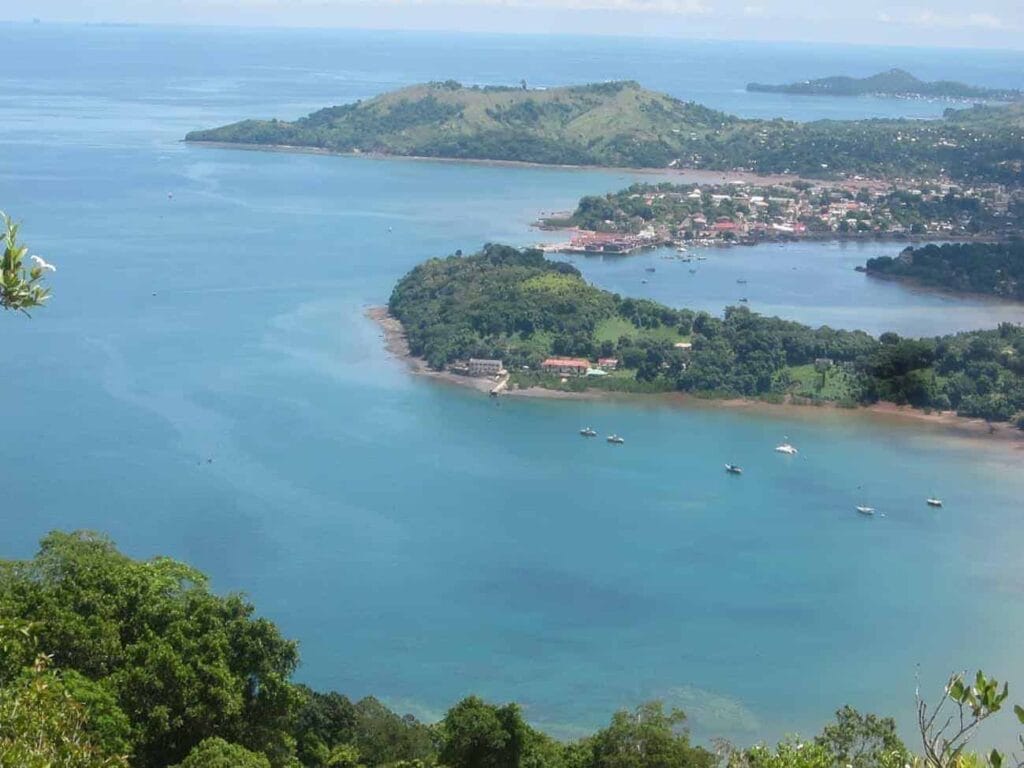
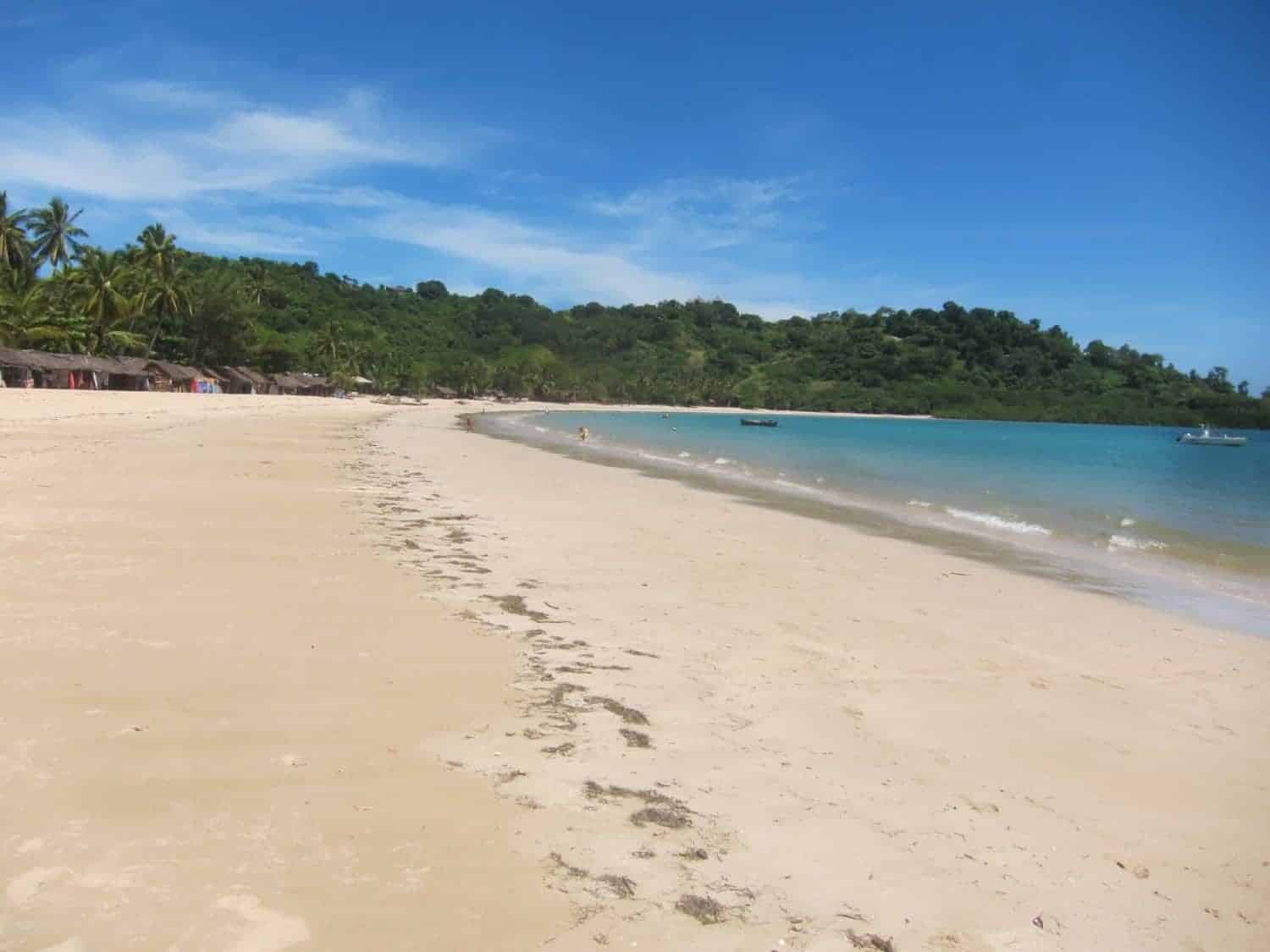
The island’s west coast is known for its turquoise waters and long, white sandy beaches, where you can dive, snorkel or simply relax in the sun. Islands such as Nosy Be and Île Sainte-Marie offer some of the best underwater experiences and are popular destinations for those who want to combine adventure with relaxation. But Madagascar is more than just its nature.
The island’s culture is an intriguing blend of African, Asian and European influences. This is reflected in the food, where you can taste everything from fresh fish and shellfish to exotic dishes with coconut and vanilla, for which the island is world-famous. Whether you dream of exploring rainforests, spotting rare species, lounging on paradisiacal beaches or diving into a rich culture, Madagascar offers a truly special travel experience that is unmatched anywhere in the world. Madagascar, or Madagascar in Danish, is an island nation in the Indian Ocean located 400 kilometres from Mozambique off Africa’s east coast. See the map below. With its 590,000 km², the main island is the world’s fourth-largest island. It was separated from Africa millions of years ago.

The population is made up of people of mixed African and Indonesian descent. The island is home to five per cent of the world’s plant and animal species, 80 per cent of which are unique to the islands. Among the most remarkable examples of biodiversity are the lemur primate, three endemic bird families (meaning they exist only here as a species) and the baobab tree. The most widely spoken language in the country is Malagasy. Also visit Nosy Iranja
Travel articles from Madagascar
- An island next to the island: Nosy Be off Madagascar
- The trip to Madagascar, in search of the island’s DNA, wild animals and nature
Travel to Madagascar with

Travel destinations in Africa
- Angola
- Botswana
- Egypt
- Ethiopia
- Ghana
- Cape Verde
- Kenya
- Madagascar
- Morocco
- Mauritius
- Mozambique
- Namibia
- Nigeria
- Senegal
- Seychelles
- South Africa
- Tanzania
- Tunisia
- Uganda
- Zambia
- Zimbabwe
African travel articles
- An introduction to Africa as a continent
- The best safari trips from Kenya to Botswana
- Golf trips in South Africa
- Morocco, with the Atlantic in the back garden
- Zanzibar, beach and beauty
- Ngorongoro, wild safari in a giant extinct volcano
- Angola, safari in Kissama National Park
More articles from Leisure Media – for the good life
WorldSportTalk World-class sport from tennis to football and everything in between
Winetalk.dk Buy your wine directly from the vineyard
Safety and health
Malaria is widespread in Madagascar, particularly in the low-lying coastal areas and during the rainy season. Contact your doctor or a travel health clinic well in advance of departure to have it assessed which malaria prophylaxis suits your trip. Mosquito nets, long-sleeved clothing and insect repellent also help. Yellow fever vaccination is required for travellers arriving from a country with a risk of yellow fever, and many countries require it on entry. Check the current requirements, and have other recommended vaccinations, such as hepatitis A and typhoid, assessed.
Healthcare outside the capital is limited, so travel insurance that covers repatriation is a good idea. Bring the medication you need in sufficient quantity.
In the big cities, especially Antananarivo, theft and pickpocketing are a real risk. Keep an eye on bags, phones and cameras, and avoid carrying large amounts of cash. Dark streets should be avoided at night.
Local guides can offer useful insight and help you find your way, but choose them through a reputable arrangement or hotel, and agree on price and itinerary in advance. Follow the instructions you are given in the national parks, and take care on trips to remote areas.
In a medical emergency outside the capital
Healthcare outside Antananarivo is limited, and many smaller clinics lack the equipment or doctors needed for more complicated cases. This means that in an emergency you will often need to be transported to the capital, and that journey can be long and difficult, particularly during the rainy season.
If a traveller becomes seriously ill or is injured, you should first contact your local guide or the hotel where you are staying. They can help you find the nearest doctor and arrange transport. At the same time, call your travel insurer, which typically has a round-the-clock alarm centre and can co-ordinate repatriation.
Carry a copy of your insurance policy and the phone numbers you will need, both on paper and on your phone. Also keep a short list of your medical conditions and the medication you take, so that it is easy to explain to doctors what is needed.
If medical treatment is required, pay by card or cash as agreed, and ask for a receipt so the insurer can refund the expense. For serious conditions, repatriation is often the only realistic option, which is why insurance that covers it is essential.
How to get there
Most travellers fly to Antananarivo, the capital in the central highlands. There are no direct flights from Denmark, so the journey always goes via one or more airports in Europe, the Middle East or Africa. The flight itself can easily take a full day once waiting times and connections are factored in, so it is realistic to expect the overall journey to be long and tiring.
Nosy Be in the north-west also has an international airport and is a popular destination for those who want to head straight to the coast. Connections there are limited, and routes change over time, so always check current departures before booking anything that depends on a particular flight.
A visa can normally be issued on arrival in Madagascar for Danish citizens. However, the rules may change, and issuing one may require a fee payable in cash and a valid passport with sufficient remaining validity. Check the latest requirements with the Danish foreign service or the Malagasy consulate before you travel.
It is a good idea to have a return ticket and a plan for your first nights on arrival, as immigration can take time during busy periods.
Month by month: lemurs, diving and rain
Lemurs in Andasibe-Mantadia and Ranomafana can be seen all year round, but the experience changes with the weather. From April to October, in the dry season, the forests are more open and the animals gather more often at the waterholes, making them easier to spot. This is the most reliable period for lemur tours.
From November to March the rain falls heavily, and the trails become slippery and muddy. It is also the greenest time of year, and many choose to travel in the final months of the rainy season, from February to April, when nature is lush and there are fewer visitors. Be wary of planning a lemur tour on a day after heavy rain has fallen for several days.
For diving and snorkelling on the west coast and around Nosy Be, the period from September to November is typically the calmest. The sea is more still and visibility is good. In the wet season, rain and currents can make the water murky in coastal areas, so it is wise to ask a dive base about current conditions before you book.
If you can only choose one month for everything, September and October are a good compromise. It is dry enough for lemur tours and travel on the roads, and the sea is calm enough for diving.
Routes from Denmark
There is no direct flight from Denmark to Madagascar, so the journey always involves at least one change. The most common route goes via a major European hub, typically Paris or one of the large airports in the Middle East, and then on to Antananarivo. The total travel time is generally around a full day once waiting times and connections are included.
Prices for a return ticket from Copenhagen vary considerably by season, booking date and choice of connection. It is hard to give a precise figure here, as it changes constantly. Compare current fares directly with several providers, and check whether baggage is included.
With a long connection, it is an advantage to choose a route with a reasonable transit time, ideally with an airport stay somewhere you can leave if you have many hours to spare. Also check whether you will need to collect your luggage and check in again at a change, as this can affect the total time.
Please note that routes and departures change, and that cancellations on domestic flights within Madagascar are common. Plan with a margin in relation to the day you need to travel on to your next destination.
Approximate daily budget at different price levels
A realistic daily budget for a traveller in Madagascar depends on how much you spend on accommodation and transport, as these are the two major items. Food and drink are generally cheap in local places, while international hotels and tourist restaurants are closer to European levels. The figures below are an estimate and should be checked locally, as prices change.
- Budget level: A simple guesthouse, meals at local restaurants and public transport by minibus. Costs can stay low here, but you should expect long waits and cramped seating.
- Mid-range: A hotel or lodge with breakfast, a hired car with driver for parts of the day and a guide for the national parks. This is the price level most travellers choose.
- High end: An international hotel or luxury lodge, private transport all day and a private guide. Costs can rise markedly here, particularly for transport and entrance tickets.
Always allow a buffer for unforeseen expenses, tips and entrance tickets to the national parks, which often come on top. Ask for an overall price estimate that includes taxes and meals before you commit.
Best time to travel
Madagascar lies close to the tropics, so the temperature varies less than the climate does. It is the rain that determines when you can travel sensibly. The wet season runs roughly from November to April, and during that period the rain can arrive as heavy downpours that make roads and rivers difficult to cross. At the same time, the landscape is greener and the waterfalls are more powerful.
The dry season, from roughly April to October, is the usual time to travel. The skies are clearer more often, and it is easier to get around the rough gravel roads. Nights in the highlands can be cold, so pack warm clothing even though the days are pleasant.
Lemurs can be spotted all year round in the major national parks, but it is easier during the dry period, when they forage for food around the waterholes and the vegetation is less dense. The beaches on the west coast and the islands in the north are best from late winter to early autumn, when the sea is calm. Divers and snorkellers should be aware, however, that visibility in coastal waters varies with the rain and the currents.
Rain does not mean you have to cancel. Many travellers prefer the green months at the end of the rainy season, when nature is lush and there are fewer visitors.
Getting around the island
Distances in Madagascar look shorter on the map than they are in reality. A stretch of just a few hundred kilometres can take a full day, because the roads are often uneven, narrow and in poor condition. In the rainy season many roads become almost impassable, and bridges may be damaged or temporary.
The most widespread local means of transport is the taxi-brousse, a minibus that runs fixed routes between towns and only leaves once it is full. It is cheap, but it is not comfortable, and you should expect long waits and cramped seats. Many visitors choose instead to hire a car with a driver. It costs more, but it offers flexibility, and the driver usually knows the roads and can judge when a stretch is passable.
Self-drive car hire is not recommended for most people, as road signage is sparse, traffic can be unpredictable, and there is a risk of breakdowns far from help.
Domestic flights are a quick way to cover long distances, particularly to the national parks in the north and south. The planes are small, and cancellations and delays do occur, so allow some margin in your itinerary.
Accommodation and prices
Accommodation in Madagascar varies widely. In the national parks and in the countryside you will often find simple lodges and bungalows with basic standards, hot water at set times and a power supply that can fluctuate. There are also small family-run guesthouses in the larger towns, which are a cheap alternative. In the coastal areas and on the islands you will find everything from bamboo huts to larger resorts with a pool and restaurant.
In the more developed areas you will also find hotels of international standard, especially in the capital and at the largest beach areas. Luxury lodges can be very expensive, and prices vary considerably by season and location, so they should be checked specifically.
Prices for food and transport are generally low for a European, but the figures are hard to give precisely. A meal at a local restaurant typically costs far less than in Denmark, while international hotels and tourist restaurants are closer to European levels. Transport with a driver and local guides are among the items that add up quickly, particularly on long day trips and in the national parks, where guide fees and entrance tickets are added on top.
It is wise to ask about all costs in advance and to carry small change in the local currency, as card payment is not always possible outside the towns.
Types of accommodation
In Antananarivo you will find most of the range, from small family-run guesthouses to international hotels with a restaurant and pool. The cheapest rooms are basic, but often clean and with a local atmosphere. Hotels of international standard sit in the most expensive price brackets and are closer to European levels.
In national parks such as Andasibe and Ranomafana there are lodges and bungalows, which usually include meals and are designed to serve as a base for excursions. They are simple, but generally have hot water at certain times and a power supply that can fluctuate. The price typically falls in the mid-range segment and is often higher than in the city.
On the coast and on Nosy Be there is everything from bamboo huts to larger resorts with a pool. Bamboo huts are the cheapest option, while beach resorts with a restaurant and diving packages sit at the pricier end. Luxury lodges in remote areas can be many times more expensive than an ordinary bungalow.
It is wise to confirm what the price includes, particularly breakfast, transfers and drinking water. Also ask whether there are additional taxes, and which form of payment is accepted, as cards do not always work outside the towns.