
From the traveltalk.dk family – started in Denmark in 2018
Read in: Dansk (original)
Tunisia
Tunisia is the ideal place to visit for a holiday or a leisure break and enjoy truly remarkable natural beauty. Its 1,500-kilometre Mediterranean coastline, with lush blue sea and ice-white sand, can astonish any lover of nature. This North African country, blessed with an enviable climate, is one of the privileged places to enjoy the sea, the deserts and the dunes. Explore Tunisia’s mysteries and experience its landscapes at their very best!
Discover Tunisia’s glorious past
Tunisia was once part of the great Roman Empire. Ruins from the Roman era still stand in its suburbs and countryside. Tunisia later became a French colony, and across its towns you can still see monuments and buildings in the French style. Since independence, this nation has carved out its own place on the world map. From its culture to its cuisine, Tunisia is underpinned by a rich history. The imprint of Roman, French and African influences can be experienced perfectly in Tunisia!
So if you love history or art, make the trip at least once!
Perfect for adventure
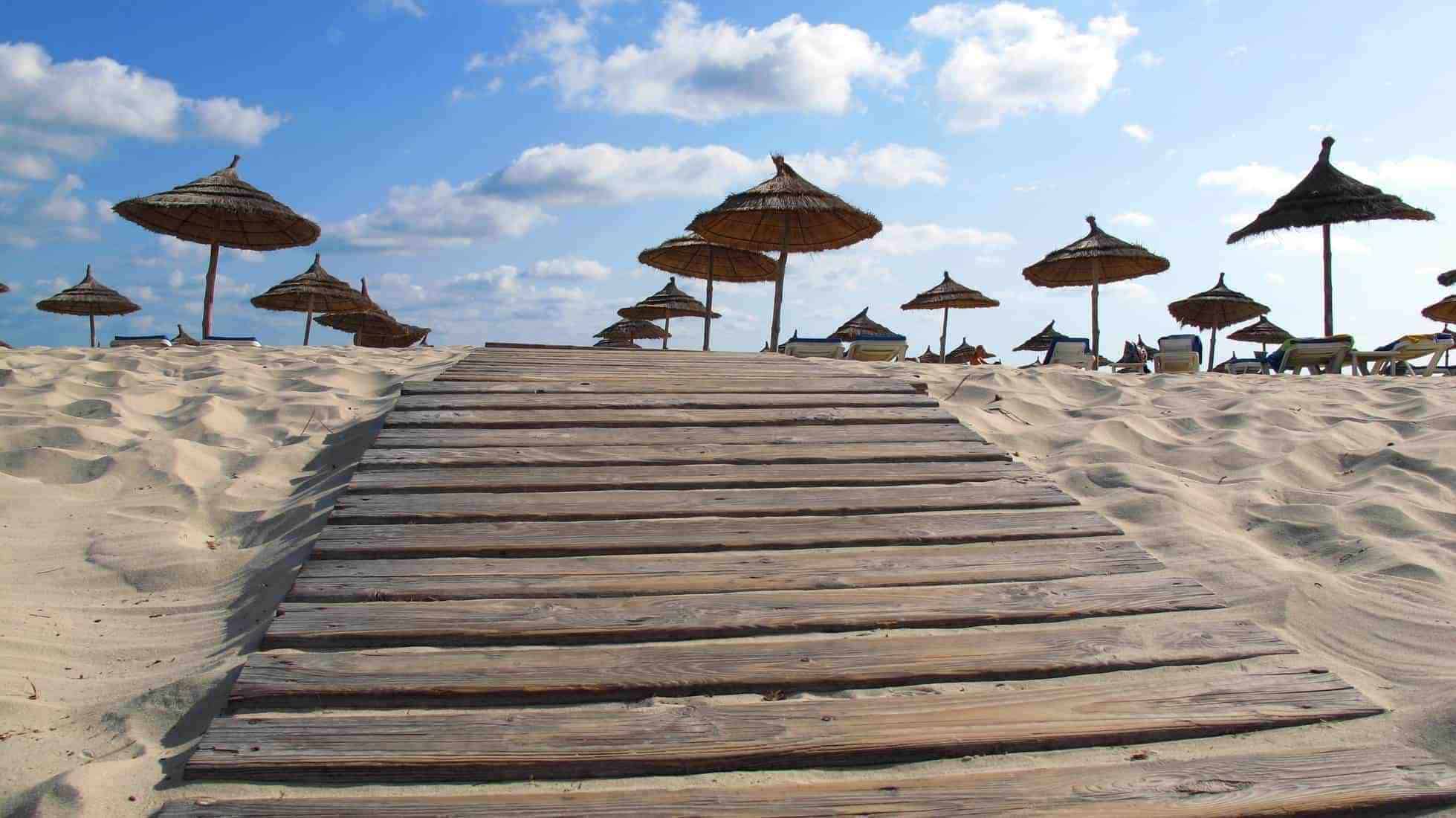
Tunisia is one of the most adventurous destinations in the world. Watersports, trekking, camel safaris and much more: the list of hobbies and adventures in Tunisia is almost endless. The vast Sahara and its dunes are perfect for desert trips. People travel from far away to enjoy a camel ride, swim in the sea and take part in many other activities, from diving and fishing to surfing. A crystal-clear sea is a real pleasure.
Music, food, fun: you will love it.
Anyone who enjoys good cooking will love the stay. The food and recipes are excellent. Try vegetarian and non-vegetarian dishes prepared in the Tunisian style! As well as being delicious, Tunisian cooking is also very hygienic.
Tunisians love music and art. Spending an evening in a relaxed atmosphere is truly wonderful. The folk music and the way it is sung are quite different from elsewhere in the world, and this is what makes Tunisian trips so special.
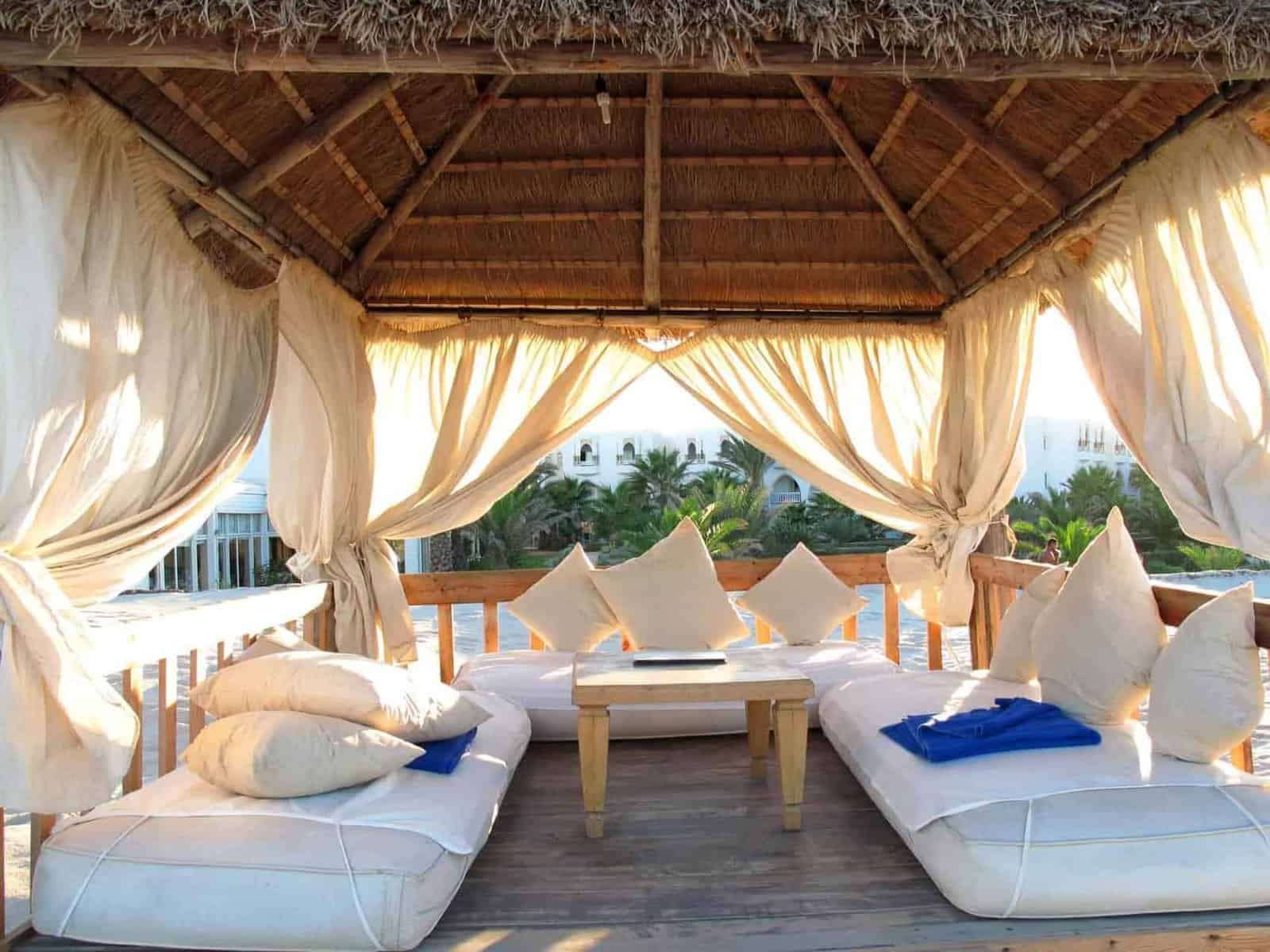
Tunisia is also remarkable in that it remains relaxed even in peak periods. This is because the choice of hotels in Tunisia is plentiful. You will find world-class resorts, hotels and places to stay here.
You can also stay in traditional guesthouses. The modern facilities and services available make your accommodation comfortable and pleasant!
Tunisia’s incredible beaches and experiences
Sport & Travel:
Leisuretalk.net
When is the best time to travel to Tunisia
The best time depends on what you want to experience. The coast and the desert have very different climates, and this is one of the things many people overlook when planning.
Spring, from mid-April to June, is the most comfortable period along the coast. The sea is still cool, but the sun is warm enough for long days by the water, and the towns are not crowded. Autumn, in September and October, is also good, and the water is often at its warmest then.
In summer, temperatures in the interior of the country and in the Sahara can rise above 40 degrees. It is not a place for desert hikes in July with small children. Winter is mild on the coast but rainy, and most beachfront hotels close or operate on a reduced schedule.
For desert trips, autumn and spring are clearly the best choices. Nights in the Sahara can be surprisingly cold, even in summer, so pack warm clothing. Many who take a camel trip choose to spend the night in the desert, and here the difference between day and night is very noticeable.
More articles about Tunisia
Where to stay
Tunis is the capital and the largest city. Staying here puts you close to the medina, the Roman ruins of Carthage and the museums, and it is the best choice for those who want to combine city life with history. There is a wide range of hotels, from small guesthouses in the old town to modern hotels in the newer districts.
Hammamet lies on the north coast and is Tunisia’s best-known seaside town. Here you will find large resorts with their own beaches, and it is a calm choice for families and couples who want to be by the water.
Sousse is one of the country’s largest coastal cities and combines an old medina, listed by UNESCO, with a long beach and a wide choice of hotels at every price level.
Djerba is an island to the south, known for its flat landscape, palm trees and small villages. Many choose the island for a quiet holiday, and it has a large selection of resorts and smaller, family-run hotels.
Tozeur lies on the edge of the Sahara and is a good base for desert trips. Here you can stay in neighbourhoods of mud-brick houses and palm oases, and choose between small boutique hotels and traditional desert camps. This is where you will experience the desert most closely, but remember to plan your transport well in advance.
Safety and useful advice
Tunisia is a country where most trips pass without problems, but the situation can change, and you should check current travel advice from your country’s foreign ministry before booking and again before departure. This is where you will find the most up-to-date assessments of which areas are restricted or advised against.
In the big cities, particularly Tunis and in the narrow lanes of the medina, petty theft is the most common problem. Keep an eye on your bag, and do not leave your passport lying out. Avoid being alone in dark, deserted streets late at night.
In the Sahara you should always travel with an authorised guide or a recognised desert operator. The border areas with Algeria and Libya are not for independent travellers, and this is a clear recommendation in the official advice. Never set off into the desert without water, sun cream and suitable clothing, and always tell someone where you are going.
Be respectful of local customs. Clothing that covers shoulders and knees is a good idea outside the beach areas, and do not photograph people or military installations without asking first.
Practical matters and costs
The currency is the Tunisian dinar. It is a good idea to exchange a small amount when you arrive and the rest during your stay, as the dinar is not easy to obtain outside the country. Credit cards are accepted in hotels and larger shops, but in many rural places cash is the norm.
Arabic is the official language, but French is widely spoken, especially in the cities and in the tourist areas. English is often understood at hotels and in better restaurants. A few words of French or Arabic make a big difference in the market stalls.
Check the current visa rules for your nationality before you travel, as they can change. It is also a good idea to have a passport with plenty of validity remaining.
Drink bottled water, including when you brush your teeth, and be careful with ice and unfiltered juices. Many Tunisians serve tea, and it is both safe and an important part of hospitality.
Prices are generally lower than in Denmark, especially for food, transport and local excursions. Hotels in the large resort areas can cost more, however, and private camel rides and desert trips can vary a great deal in price. Feel free to haggle in the souk, but do it calmly and with a smile.
Getting to Tunisia and around the country
Most travellers fly into Tunis-Carthage Airport, which is close to the capital. Monastir also has an international airport and is a convenient choice if you are heading to Sousse or Mahdia. Flights from Denmark typically connect via a hub, so check the route before you book.
Trains do exist, but they don’t run everywhere, and the journey can take longer than you expect. Buses cover several routes between the cities and are often the most reliable option for longer distances. It is a good idea to ask locally where the departures are, as online information is not always up to date.
Taxis are cheap for short journeys in the cities, but agree on the fare before you get in, or ask for the meter to be switched on. In some areas it is easier to hire a driver for a full day, which is popular for excursions.
If you want to see the country at your own pace, a hire car is a sensible option. The coastal roads are good, but in the interior they can be narrower and in poorer condition. Drive carefully, and be aware that traffic in the cities can be chaotic.
More about Tunisia
Nearby
South Africa
South Africa has become the great African country that perhaps more than anywhere else on the…
Zambia
Zambia has often been branded as ‘Real Africa’ or ‘Rough Diamond’ on the dark continent, as…
Madagascar
Madagascar is an island like no other. As the fourth-largest island in the world, lying off…


