
From the traveltalk.dk family – started in Denmark in 2018
Read in: Dansk (original)
Kosovo
Kosovo is a partially recognised state in south-eastern Europe, located in the heart of the Balkans. This small, beautiful country unilaterally declared its independence from Serbia on 17 February 2008 and has since gained diplomatic recognition as a sovereign state from 97 UN member states, including Denmark.
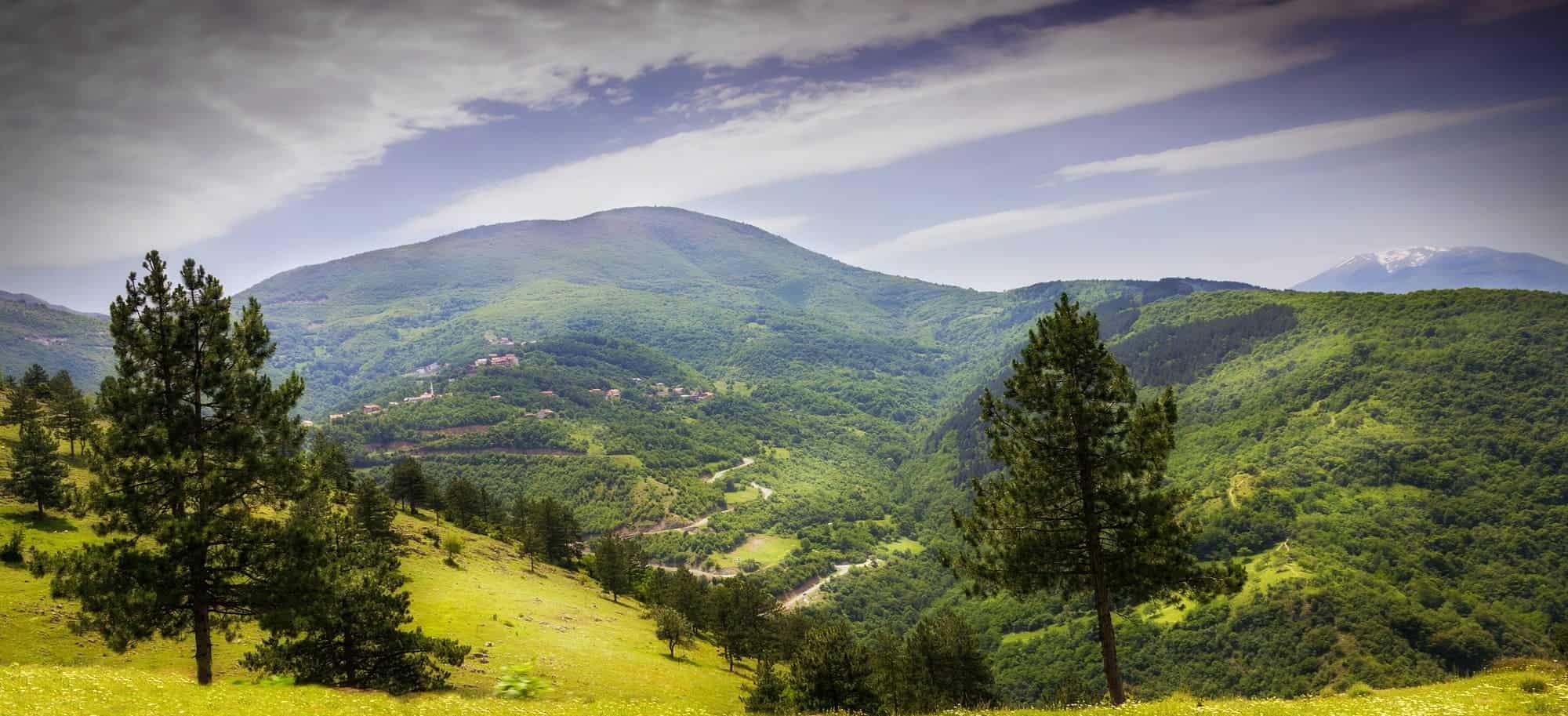
It borders Serbia to the north and east, North Macedonia to the south-east, Albania to the south-west and Montenegro to the west. Much of the central country is dominated by the large plains and fields of Dukagjini and the Kosovo Field. The Šar Mountains rise in the south-west and south-east respectively. Its capital and largest city is Pristina.
Practical matters and safety
The currency is the euro, which makes payment easy for travellers from Denmark, although you should not assume that every place accepts cards. Cash machines can be found in the towns, but they may be few and far between in smaller areas, so it is wise to bring enough cash for the first few days.
Albanian is the dominant language, and Serbian is spoken by many in the northern parts of the country. English is understood in the larger towns and by many young people, but you will not always manage in smaller villages without a few words of the local language. A small phrasebook or a translation app is an advantage.
The security situation is generally good in the towns, but there have been tensions in the northern areas near the border with Serbia, and the situation can change quickly. Check the travel advice from the Danish Ministry of Foreign Affairs before departure, and keep up with local news during your stay. Healthcare in the country is limited, so good travel insurance and the necessary vaccinations are important. Also bring any medicine you need in its original packaging.
Accommodation and food
In Pristina you will find everything from large hotels to small guesthouses and apartments rented out by private hosts. In the smaller towns the choice is limited, and it may be a good idea to book ahead, especially at weekends and in summer. Standards vary a great deal, but in many places prices are lower than in Western Europe, and a good night’s stay in the capital can cost a few hundred kroner a night.
The food is simple and meat-based. You will often encounter grilled meats such as qebapa and pleskavica, filled pastries such as byrek, and plenty of fresh salads and yoghurt-based dishes. For lunch many locals eat a pite or a piece of pastry, and dinner is often served late. The coffee bars of Pristina are a good place to meet the city’s younger generation.
Restaurants in the central parts of the towns typically have menus in English, while in smaller villages you may have to get by with gestures and picture menus. Prices are generally low, but expect small places often to take only cash.
Getting around the country
Kosovo is small, so most distances are manageable, but the roads are not always in the best condition, and journey times can be longer than the map suggests. Buses connect the larger towns, and from Pristina buses run regularly to most regional centres. Here it is an advantage to ask at the station or with the driver, as departures are not always clearly posted.
Taxis are found throughout the towns, and it is common to agree on the price before getting in. For the smaller towns and villages, local minibuses are often the most practical option, but they do not run to fixed timetables as in Denmark, and you may often have to wait until the bus is full.
If you want to see the smaller mountain areas and monasteries on your own, it is wise to hire a car. Drive carefully on the narrow roads, and be aware that driving conditions in winter can be difficult. A map of the local roads is a good idea, as signposting is patchy in many places.
Getting there
Most travellers reach Kosovo via Pristina International Airport, which lies a good distance outside the capital. Flights typically depart from larger European airports, and there may be only a few departures a week, so check the timetables well in advance. Many people also choose to land at an airport in one of the neighbouring countries and drive from there, which can be both cheaper and more flexible.
From the neighbouring countries there are regular bus connections to Pristina and several of the larger towns. Border crossings can sometimes be slow, especially at the major crossings into Serbia and North Macedonia, so it is a good idea to allow plenty of time in your plans. Do not travel under time pressure if you have a flight to catch.
Danish citizens can enter Kosovo with a valid passport, but entry rules and any requirements for documents may change. Check the current entry rules with the Danish Ministry of Foreign Affairs before departure, and bear in mind that a passport close to its expiry date can cause problems at the border.
When is the best time to travel?
Kosovo has distinct seasons, and this is felt most in the inland valleys and on the plains around Pristina. In summer the heat can be oppressive, while winter can be cold and grey, especially in the mountains to the south-west and south-east. May, June and September are the months when the weather is most pleasant for most people, both for walking around the towns and for trips out into the country.
It is also worth knowing that many Kosovars have family abroad, and that large sections of the population visit in August. The towns can therefore feel empty for some weeks and very busy at other times, and some eateries close for shorter periods. If you visit during one of the holidays that are widely celebrated, expect many things to be closed.
A winter trip has its own charm, especially if you come to see the snow-covered mountains. But be prepared for roads and mountain passes to be slippery, and for some shorter trips out of the towns to require a good weather forecast and patience.
Travel to Eastern Europe
Eastern Europe offers so many lovely and exciting destinations, including new ones.
- Albania
- Bulgaria
- Belarus
- Croatia
- Latvia
- Lithuania
- North Macedonia
- Moldova
- Montenegro
- Poland
- Romania
- Russia
- Slovenia
- Czechia
- Ukraine
- Hungary
More articles about Kosovo
More about Kosovo
Nearby
Portugal
We know Portugal as the friendly, sun-drenched southern European holiday country on the Iberian Peninsula in…
The Azores
The Azores archipelago, or Açores in Portuguese, is a Portuguese island group in the Atlantic Ocean,…
Estonia
Estonia is one of the three Baltic countries that share a common, beautiful Danish myth. The…


