
From the traveltalk.dk family – started in Denmark in 2018
Read in: Dansk (original) · Deutsch · Svenska · Norsk · Suomi
Travel to Thailand – the Land of Smiles and Southeast Asia’s Classic Destination
Thailand is one of the world’s most popular destinations – and with good reason. The country combines tropical beaches, colourful cultures, historic temples, buzzing cities and some of Asia’s finest gastronomy. It can be experienced in many ways, suiting first-time travellers, families, backpackers and luxury holidaymakers alike.
From the bustling streets and temples of Bangkok to the quiet islands of the south, the lush mountains of the north and the authentic villages of Isaan, Thailand is a destination where contrasts make up the whole. Here you will find excellent value for money, great hospitality and experiences ranging from relaxation to adventure.

Why Travel to Thailand?
Thailand is known for its balance between comfort and authenticity. The country has a well-developed tourism infrastructure, while it remains possible to find local experiences, peaceful beaches and cultural traditions that live on in everyday life.
Culture, Temples & Traditions
It is deeply rooted in Buddhist traditions, which shape both cities and villages. Temples such as Wat Phra Kaew in Bangkok, Wat Pho and the historic ruins of Ayutthaya bear witness to the country’s long history. Festivals such as Songkran (Thai New Year) and Loy Krathong offer a unique insight into local culture.
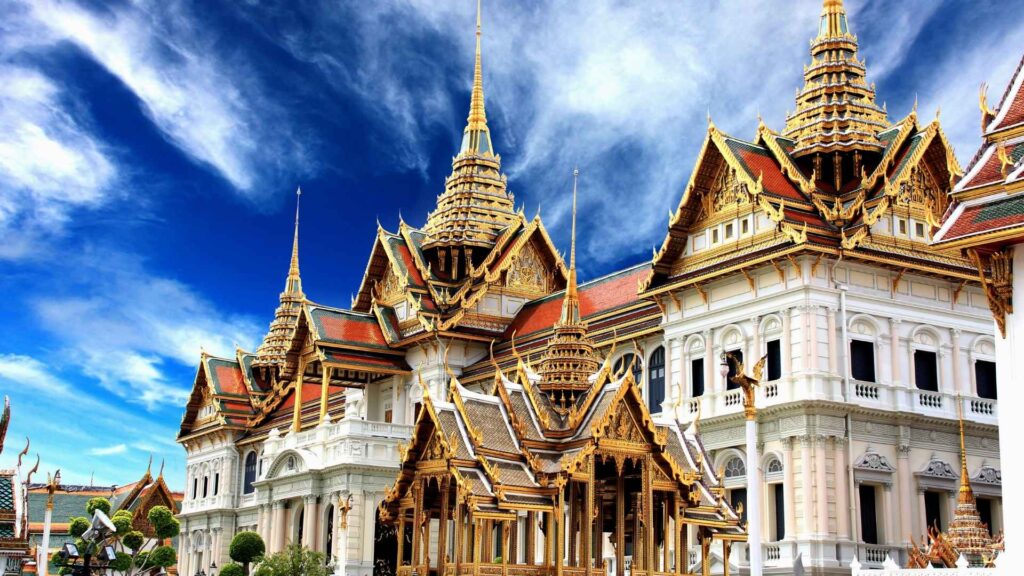
Travel to the most attractive destinations from Hua Hin to Phuket
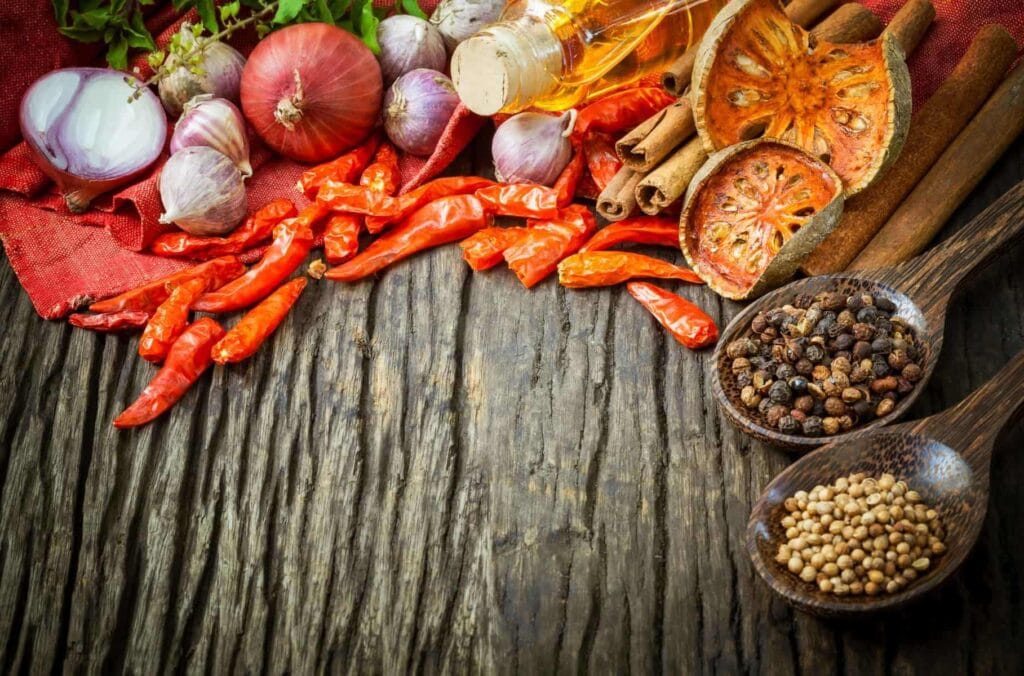
World-Famous Gastronomy
Thai food is loved the world over – and tastes even better in its homeland. Pad Thai, green curry, tom yum, mango sticky rice and countless street food dishes are served everywhere. The food is fresh, flavourful and often very affordable.
Thai food and 40 delicious Thai dishes
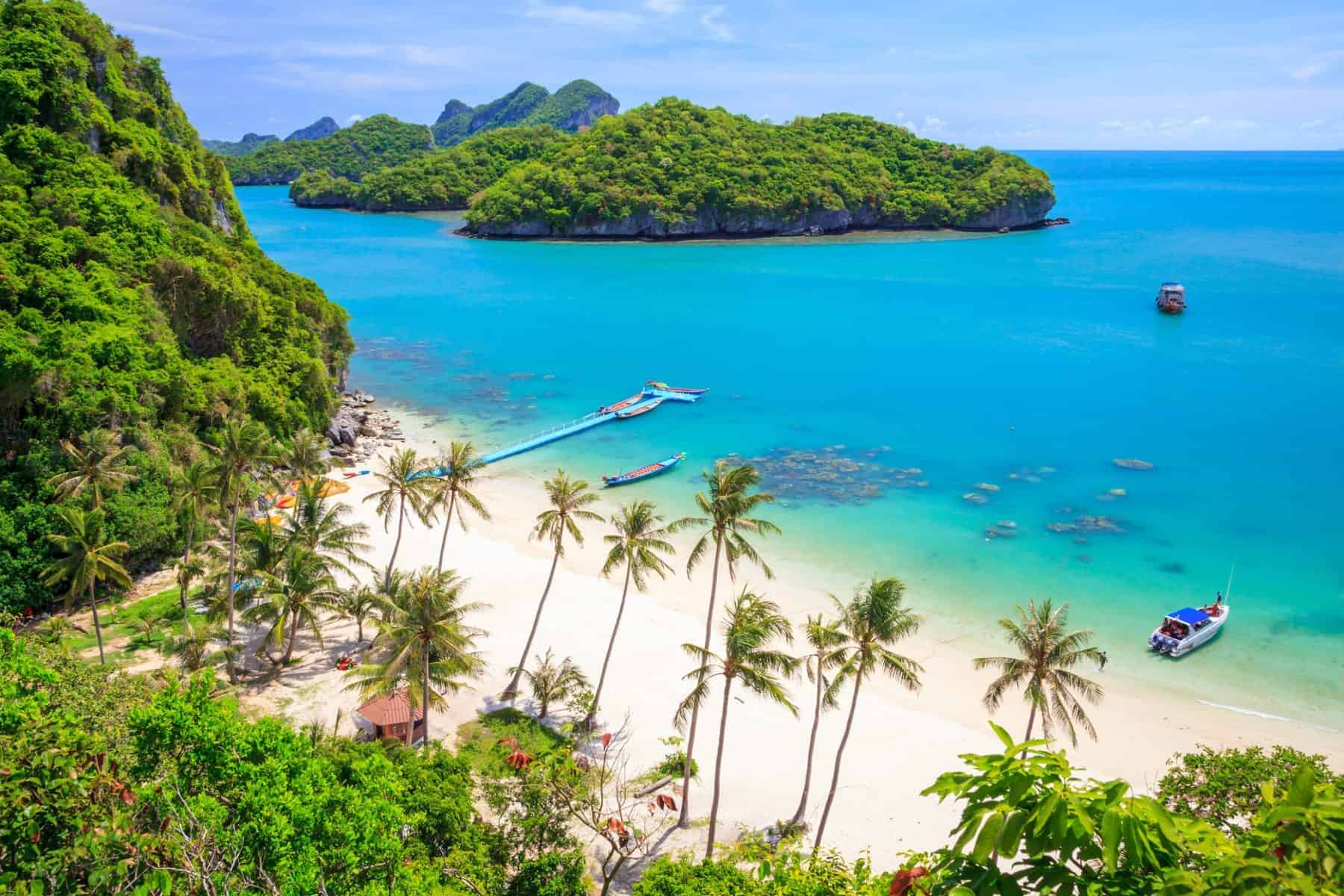
Beaches, Islands & Tropical Nature
It offers some of Southeast Asia’s most beautiful beaches. Islands such as Phuket, Koh Phi Phi, Koh Lanta and Koh Samui offer everything from lively beach towns to peaceful coves. In the north you will find mountains, jungles and national parks around Chiang Mai and Chiang Rai.
Pattaya has grown more mature, but the beach, food and weather are still just as delightful as ever
Hospitality and Excellent Value
Thailand is not called the “Land of Smiles” for nothing. The friendliness of the locals, combined with low prices and good service, makes the country one of the most pleasant places to travel in Asia.
Where to Stay in Thailand
Accommodation in Thailand covers a very wide range. Hostels and guesthouses can be found in almost all tourist areas and are the simplest solution for backpackers. In Bangkok, Khao San and Sukhumvit are two well-known districts with plenty of options, while Chinatown and Rattanakosin lie closer to the temples and the old quarters. Many small hotels in Bangkok are simple but clean and practical.
On the islands, the choice varies from simple beachfront bungalows to large resorts with pools and spas. Patong on Phuket is lively and full of nightlife, while Kata and Karon are quieter and better suited to families. On Koh Samui you will find both small beach houses and luxurious resorts, and on Koh Lanta there are several peaceful bungalows for those seeking tranquillity
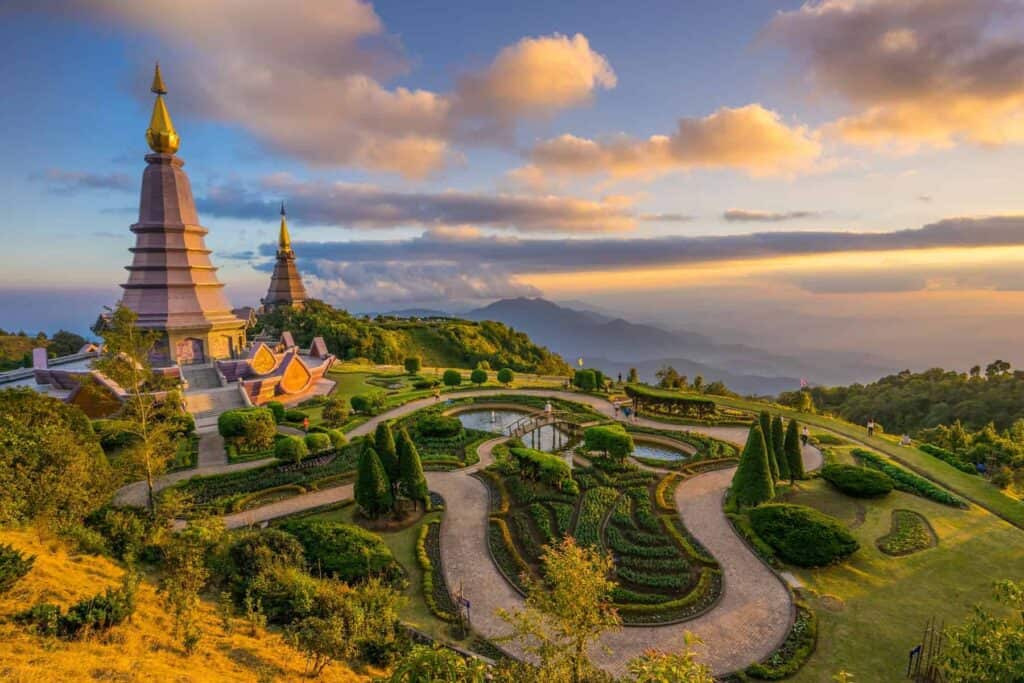
In Chiang Mai many people stay in the old town, where there are temples, small restaurants and good walking trails nearby. Luxury travellers often find boutique hotels and resorts in the green areas outside the city. If you are travelling with children, resorts with a kids’ club and quiet beaches are a good idea, while couples seeking relaxation may choose a wellness retreat in the mountains or by the coast.
Regions
Bangkok & Central
The capital offers temples, markets, street food and modern shopping. The area around Bangkok also includes historic cities such as Ayutthaya.
Discover vibrant cities in Thailand
North
Chiang Mai and Chiang Rai are known for their mountains, temples, trekking and a more laid-back atmosphere.
Why travel to Chiang Mai in Thailand?
South – Andaman Sea
Phuket, Krabi and Koh Phi Phi offer dramatic limestone cliffs, beaches and snorkelling.
South – Gulf of Thailand
Koh Samui, Koh Phangan and Koh Tao are popular for beach holidays, diving and relaxation.
Isaan
A more authentic and less visited area with local traditions, rural life and spicy food.
Travel Themes in Thailand
Beach Holidays
It is ideal for a beach holiday – whether for families, couples or backpackers.
Cultural Journeys
Temples, royal cities and religious traditions offer insight into Thailand’s history.
Tours
Combine Bangkok, the mountains of the north and the beaches of the south on a single trip.
Wellness & retreats
The country is known for its spas, yoga, massages and wellness stays.
Food & street food
A trip to Thailand is also a culinary journey – often right on the street.
Practical information about Thailand
Travel advice
Always check the Danish Ministry of Foreign Affairs’ travel advice before departure.
Transport
The country has a well-functioning transport system with domestic flights, trains, buses and ferries.
Getting to Thailand and around the country
There are no direct flights from Denmark to Thailand, so most travellers connect via a major city in the Middle East or Asia. A typical journey takes anywhere between 14 and 20 hours, depending on connections and waiting time. Bangkok’s Suvarnabhumi Airport is the main gateway, but several airports in Thailand have international routes. Note that connections are often better from Bangkok than from the smaller cities.
Within the country, it is easy to fly with local airlines between the major cities and the islands. It is quick, but can be expensive during peak season, and baggage is often weighed strictly. Trains are cheap and slow and work well on the route between Bangkok and the north, although they do not run to every destination. Buses cover almost the entire country and are often the most flexible option. Ferries are the natural way to reach most islands, but they can be cancelled when the sea is rough.
In the cities, metered taxis are the safest option, and in Bangkok the Grab app works in many places. The tuk-tuk is still a symbol of Thailand, but the fare must be agreed in advance, and you should expect the driver to try to sell you an excursion along the way. Motorcycle taxis are found everywhere and are quick, but they are also the most dangerous form of transport for tourists, so a helmet and caution are a must.
Climate & season
Dry season: November–March
Hot season: March–May
Rainy season: June–October (varies by region)
When is the best time to travel around Thailand?
Thailand does not have a single climate but two main regions with different patterns. The best period for the beaches of the Andaman Sea, namely Phuket, Krabi and Koh Phi Phi, is from November to April. During that period the sea is typically calm and there are the fewest rain showers. The east coast of the Gulf of Thailand, with Koh Samui and Koh Phangan, has its dry period a little later, from around December to August, because the monsoon hits that side of the country at a different time of year.
In the north, around Chiang Mai and Chiang Rai, winter is the most pleasant time of year. Nights can be cool in the mountains, and this is where you often see haze and smoke during the dry season, when farmers burn off their fields. If you want to hike in the national parks, November to February is the best choice.
Bangkok and central Thailand are hot all year round, but it is dry and comfortable from November to February. From June to October the heavy rain arrives, especially in September and October, when there can be fierce downpours that quickly flood the streets. This can disrupt both transport and plans, but the rain typically comes in short, intense bursts rather than all day.
If you are travelling in the rainy season, plan your days for the morning and afternoon, and leave the darker hours for museums, markets and cafés. Avoid booking expensive, fixed excursions on days when the forecast is at its worst, especially for small boats and snorkelling trips.
Visas & health
Danish travellers can often visit visa-free for a limited period. Vaccinations are recommended.
Safety, health and practical advice
Traffic is the biggest risk for tourists. Motorcycles often ride without consideration, and pedestrians need to watch out for cars coming from unexpected directions. Never rent a motorcycle without a valid licence for that specific type of vehicle, as your insurance may otherwise be void in the event of an accident. Scams occur particularly with scooter rental, inflated prices and tuk-tuk drivers offering free tours that end up at shops.
Tap water should not be drunk directly, and it is best to buy bottled water with an intact seal. Also be careful with ice and salads from small stalls if you are not used to spicy food. Take good travel insurance that covers hospital stays and transport home, as private hospitals are good but expensive. Remember to check whether your insurance covers motorcycle riding and diving.
In temples, you must cover your shoulders and knees. Shorts above the knee and sleeves are usually sufficient, and you take your shoes off before entering the sacred buildings. You must not point your feet at Buddha statues or at people, and touching people’s heads is considered rude. The king and the royal family are respected, and criticism of them can have serious legal consequences, so speak carefully on the subject.
Ready for Thailand?
It is a destination that suits almost every type of traveller – whether you are seeking relaxation, culture, food experiences or adventure.
Explore our guides and articles on it and find the trip that suits you best. Sport, wine and food?
More about travelling in Thailand
- We compare 3 of Thailand’s top holiday destinations
- Michelin Guide 2024
- Travel to the most attractive destinations from Hua Hin to Phuket
- Thailand’s many islands from Koh Samui to Koh Tao Island
- Phuket, Denmark’s favourite paradise island in Southeast Asia
- Asia’s most popular travel destination
At a glance
- Best time to visit: November–March (dry and pleasant)
- Language: Thai (English widely spoken in tourist areas)
- Currency: Thai baht (THB)
- Transport: Domestic flights, trains, buses and ferries • Easy to get around
- Price level: Low to mid-range
- Ideal for: Beach holidays, culture, round trips, families, food experiences, wellness
Top areas: Bangkok • Chiang Mai • Phuket • Krabi • Koh Samui • Ayutthaya
Traveltalk Tip
Travel outside the high season (for example in March or November) for fewer tourists and still good weather.
Insider Tip
Eat where the locals eat – street food and small family-run restaurants are often both the best and the cheapest.
Price examples:
- Street food meal: approx. 20–40 DKK.
- Massage (1 hour): approx. 100–200 DKK.
Frequently asked questions about travelling to Thailand
When is the best time to travel to Thailand?
The best travel period is typically from November to March, when the weather is dry and temperatures are more comfortable.
Is Thailand a good destination for first-time travellers in Asia?
Yes. It is known for its good infrastructure, high level of safety and friendly population, which makes the country ideal for first-time travellers.
Is it expensive to travel there?
It is generally good value. Food, transport and accommodation can be very cheap, especially outside the luxury segment.
Do you need a visa to travel to Thailand?
Danish citizens can often travel visa-free for a limited period. The rules may change, so always check the current requirements before departure.
Is it safe to travel there?
It is considered a safe destination for tourists. Common sense and respect for local rules are recommended.
More articles
How much does it cost to travel in Thailand?
- Food: Street food and small local restaurants are typically at the lower end of the price range, while restaurants in tourist areas and at resorts cost noticeably more.
- Transport: Local buses and trains are cheap, taxis in town are affordable, while flights between islands and cities quickly become more expensive in high season.
- Accommodation: Hostels and simple guesthouses are cheap, boutique hotels sit in the mid-range, and resorts cost considerably more, especially on the beach.
- Activities: Massage, temple visits and many local excursions are good value, while diving, boat snorkelling trips and national park tickets can be more expensive.
Prices vary widely from city to island, and they rise especially in high season. It is a good idea to compare prices online and ask about the price before you book anything. Many places accept cash in Thai baht, but large restaurants and resorts often also take cards. Check the current exchange rate yourself, as it can fluctuate.