
Africa: Beyond the Safari – Understanding a Continent’s Diversity
Ask someone what they know about Africa and you’ll hear: safari, wildlife, poverty, danger. This reduction of 54 countries, 1.4 billion people, and humanity’s birthplace into a single narrative does more harm than any colonial map ever did.
Africa contains the Sahara Desert (larger than the continental United States), tropical rainforests second only to the Amazon, Mediterranean coastlines, Alpine-like mountains, cosmopolitan cities, and yes – wildlife reserves that justify every nature documentary you’ve ever watched.
Morocco shares more culturally with Spain than with South Africa. Egypt’s relationship with sub-Saharan Africa is complex and often distant. A Kenyan safari experience resembles a Namibian one about as much as Swedish design culture resembles Greek island life – which is to say, barely at all despite continental proximity.
Understanding Africa means abandoning the monolith and recognizing distinct regions, each offering fundamentally different experiences, challenges, and rewards.
The Four Africas: Regional Personalities
North Africa: Mediterranean Culture, Arab Identity, Ancient History
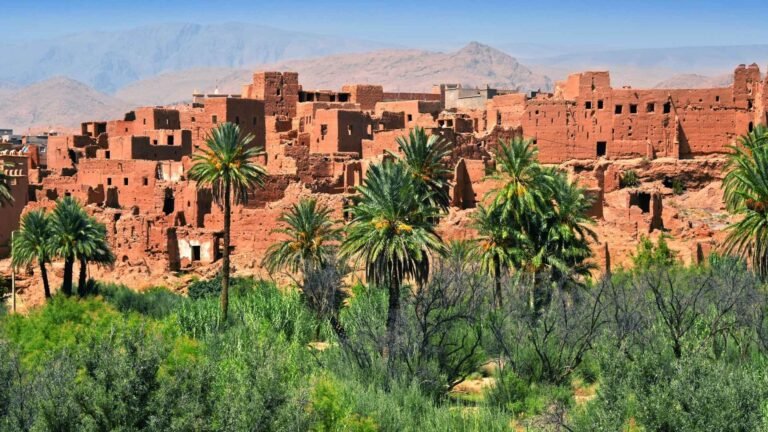
Morocco, Tunisia, Egypt, Libya, Algeria – where Islamic culture meets Mediterranean geography and tourism is well-established.
What defines North Africa:
- Arabic language and Islamic culture dominant
- Mediterranean climate (hot, dry summers; mild, rainy winters)
- Ancient history visible everywhere (Roman ruins, Islamic architecture, pharaonic monuments)
- Well-developed tourism infrastructure (Morocco and Egypt especially)
- French colonial influence (Morocco, Tunisia, Algeria)
- Culturally closer to Middle East than sub-Saharan Africa
- Distinct cuisine (tagines, couscous, mezze)
Who thrives here: History enthusiasts (Egypt’s pharaonic legacy, Roman North Africa), culture seekers comfortable with Islamic societies, food lovers, those wanting “exotic” without extreme remoteness, photographers (incredible architecture and landscapes).
Who struggles: Those expecting sub-Saharan African culture, wildlife seekers (limited options), women traveling solo (cultural navigation required), those uncomfortable with persistent vendor culture (especially Morocco).
East Africa: Wildlife, Adventure, and Emerging Markets
Kenya, Tanzania, Uganda, Rwanda, Ethiopia – safari headquarters and dramatic landscapes.
What defines East Africa:
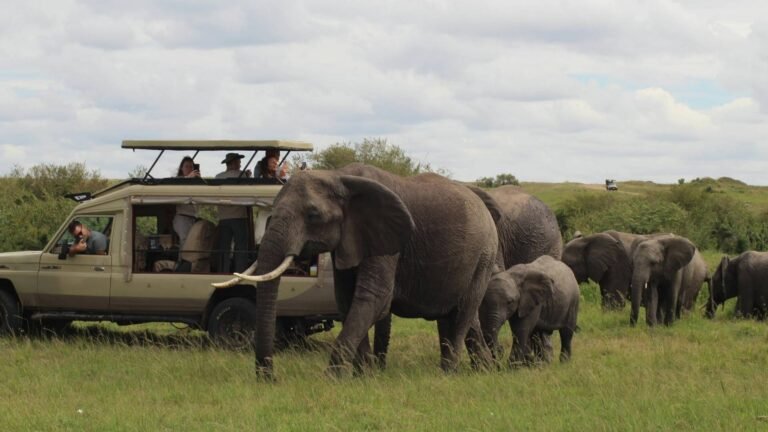
- Wildlife tourism infrastructure most developed (Serengeti, Masai Mara, gorilla trekking)
- English widely spoken (former British colonies)
- Swahili culture (coast) meets highland cultures
- Growing economies with improving infrastructure
- Adventure tourism expanding (Kilimanjaro, gorilla tracking, diving)
- Tourist industry well-established but still authentic
- Visible inequality (luxury lodges near subsistence villages)
Who thrives here: Wildlife enthusiasts (this is THE safari region), adventure seekers (climbing, trekking, diving), those wanting Africa with infrastructure, photographers (landscapes + wildlife), first-time Africa visitors.
Who struggles: Budget travelers (safaris are expensive everywhere), those seeking beach relaxation (exists but not primary draw), people uncomfortable with poverty visibility, those expecting European-level infrastructure.
Southern Africa: Infrastructure, Diversity, and Accessibility
South Africa, Botswana, Namibia, Zimbabwe, Zambia – where first-world infrastructure meets wildlife and dramatic landscapes.
What defines Southern Africa:
- Most developed infrastructure in sub-Saharan Africa (South Africa especially)
- English widely spoken
- Wine culture (South Africa)
- Diverse ecosystems (desert, coast, bush, mountains)
- Apartheid legacy still visible (South Africa)
- Safari options with better infrastructure than East Africa
- Self-drive safaris possible (Namibia, Botswana, South Africa)
- Victoria Falls (Zambia/Zimbabwe border)
Who thrives here: First-time Africa visitors wanting comfort, self-drive enthusiasts, wine lovers, those wanting safari + beach + city culture, photographers (Namibia’s dunes, Botswana’s deltas), multi-generational families.
Who struggles: Those wanting “authentic village Africa” (infrastructure means commercialization), budget backpackers (expensive), those uncomfortable with visible wealth inequality (South Africa especially).
West/Central Africa: Authentic, Challenging, Rarely Visited
Ghana, Senegal, Benin, Cameroon, Democratic Republic of Congo – where infrastructure is minimal and tourism undeveloped.
What defines West/Central Africa:
- Minimal tourism infrastructure
- French language dominance (former French colonies, except Ghana)
- Slave trade history central (Ghana’s slave castles, Senegal’s Gorée Island)
- Rainforest and coastal ecosystems
- Political instability in some areas
- Music culture rich (Afrobeat, highlife)
- Incredibly friendly but logistically challenging
Who thrives here: Experienced Africa travelers, French speakers, those seeking genuine “off-beaten-path,” culture over wildlife focus, people comfortable with uncertainty.
Who struggles: First-time Africa visitors, those needing predictable infrastructure, English-only speakers, anyone uncomfortable with developing-world logistics, safari-focused travelers.
Climate Strategy: Seasons Shape Everything
Africa straddles the equator, creating complex seasonal patterns.
North Africa (Mediterranean Climate):
- Summer (June-September): Hot, dry (30-45°C/86-113°F), peak European tourist season despite heat
- Winter (December-February): Mild, occasional rain (15-25°C/59-77°F), comfortable for sightseeing
- Best: Spring (March-May) and Fall (October-November) – moderate temperatures, fewer crowds
East Africa (Two Seasons):
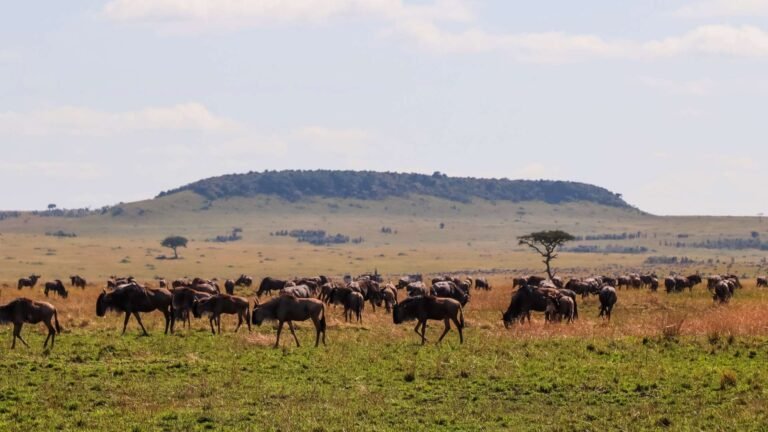
- Dry Season (June-October & January-February): Best wildlife viewing, migration timing varies
- Wet Season (March-May & November-December): Green landscapes, baby animals, lower prices
- Best: July-October for wildlife (dry season, migration)
Southern Africa (Opposite Seasons):
- Dry Winter (May-September): Best wildlife viewing, cooler temperatures (10-25°C/50-77°F)
- Wet Summer (November-March): Hot (25-35°C/77-95°F), green landscapes, baby animals
- Best: June-August for safari (dry, cooler)
Budget Reality: Africa’s Economic Spectrum
Africa’s reputation for being “expensive” is both true and false, depending entirely on where you go and what you do.
Daily Budget Estimates (Mid-Range Traveler):
North Africa (Morocco, Egypt): $50-100/day
- Accommodation: $25-50/night
- Food: $15-25/day
- Transport: $10-20/day
- Activities: $15-30/day
- Reality: Best value in Africa
East Africa Safari (Kenya, Tanzania): $250-500/day
- Safari packages: $200-400/day (includes accommodation, meals, guide, vehicle)
- Budget safari: $150-250/day (group tours, budget camps)
- Cities: $60-100/day
- Reality: Safari dominates costs
East Africa Non-Safari (Zanzibar, cities): $60-120/day
- Accommodation: $30-70/night
- Food: $15-30/day
- Transport: $10-20/day
- Activities: $20-40/day
Southern Africa (South Africa): $80-150/day
- Accommodation: $40-80/night
- Food: $20-40/day
- Transport: $15-30/day (car rental)
- Activities: $20-40/day
Southern Africa Safari (Botswana): $400-800/day
- Luxury lodges: $500-1000+/day
- Mid-range: $300-500/day
- Reality: Botswana targets low-volume, high-value tourism
Southern Africa Self-Drive Safari (Namibia): $100-180/day
- Car rental: $40-80/day
- Accommodation (camps): $30-60/night
- Food (self-catered): $20-30/day
- Park fees: $10-20/day
West Africa: $60-120/day
- Accommodation: $30-70/night
- Food: $15-30/day
- Transport: $15-30/day
- Activities: $20-40/day
The Safari Cost Reality:
Safari is expensive everywhere because of remote locations, expensive vehicles, expert guides, park fees, and small group sizes.
Budget safari ($150-200/day): Large groups, budget camps, standard itineraries
Luxury safari ($500+/day): Private vehicles, expert guides, boutique lodges, better locations
Wildlife vs. Culture: What Actually Interests You?
Maximum Wildlife Focus:
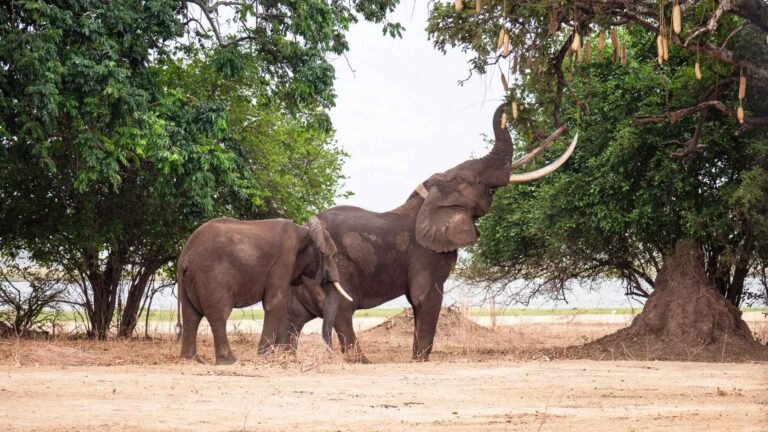
- Botswana (Okavango Delta, Chobe): Highest wildlife density
- Tanzania (Serengeti): Migration spectacle
- Kenya (Masai Mara): Migration (July-Oct)
- South Africa (Kruger): Big Five, excellent infrastructure
- Rwanda/Uganda: Mountain gorillas
Maximum Cultural Immersion:
- Morocco: Islamic culture, medinas, Berber villages
- Ethiopia: Ancient Christianity, unique cuisine, tribal cultures
- Ghana: Slave trade history, vibrant culture, festivals
- Egypt: Pharaonic history
Balanced Wildlife + Culture:
- Tanzania: Safari + Zanzibar
- South Africa: Safari + Cape Town
- Kenya: Safari + Swahili coast
- Namibia: Desert + San bushmen + wildlife
First-Timer Strategy: Where to Start
Option 1: Morocco (North Africa Gateway)
2 weeks: Marrakech → Atlas Mountains → Fes → Chefchaouen
- Pros: Affordable, incredible culture, safe, good infrastructure
- Cons: Not sub-Saharan Africa
- Best for: Culture seekers, food lovers
Option 2: South Africa (Infrastructure + Diversity)
2 weeks: Cape Town → Winelands → Garden Route → Kruger Safari
- Pros: First-world infrastructure, wine, beaches, culture, safari all in one
- Cons: Expensive
- Best for: Families, first-timers wanting comfort
Option 3: Kenya/Tanzania Safari + Zanzibar
2 weeks: Safari → Zanzibar beaches
- Pros: Iconic Africa experience, good infrastructure, English-speaking
- Cons: Expensive (safari costs)
- Best for: Wildlife enthusiasts, photographers
Option 4: Egypt (Ancient History)
2 weeks: Cairo → Luxor → Aswan → Nile cruise
- Pros: Incredible history, affordable
- Cons: Can feel overwhelming, not wildlife-focused
- Best for: History buffs, budget travelers
Multi-Country Combinations That Work
Two Weeks:
- Kenya (safari) + Zanzibar (beach)
- South Africa (Cape Town + Kruger)
- Morocco circuit (cities + Atlas + coast)
- Egypt (Cairo + Luxor + Aswan)
- Namibia (Windhoek + Sossusvlei + Etosha + coast)
Three Weeks:
- Tanzania (safari + Zanzibar) + Rwanda (gorillas)
- South Africa + Botswana (safari combination)
- Morocco + Egypt (North Africa cultural)
- Kenya + Tanzania + Zanzibar (East Africa circuit)
- Namibia + Botswana + Victoria Falls
Making Your Decision: Framework
Answer honestly:
1. What’s your primary motivation?
- Wildlife/safari → East or Southern Africa
- Culture/history → North Africa or Ethiopia
- Beach + safari → Tanzania, Kenya, South Africa
- Adventure/landscapes → Namibia, Ethiopia, Morocco
- Off-beaten-path → West Africa
2. What’s your realistic budget?
- Under $80/day → North Africa, non-safari East Africa, Ethiopia
- $80-150/day → South Africa (non-safari), Morocco
- $150-300/day → Budget safari, South Africa with safari
- $300+/day → Quality safari, Botswana, luxury anywhere
3. Comfort level?
- Need infrastructure → South Africa, Morocco
- Flexible → Kenya, Tanzania, Namibia
- Adventurous → West Africa, Ethiopia
4. How much time?
- 1 week → Single destination (too short really)
- 2 weeks → One region properly
- 3-4 weeks → Multi-country combinations
- Month+ → Regional deep dive or overland
5. Safari priority?
- Essential → East or Southern Africa (budget accordingly)
- Interested but flexible → South Africa (safari + other options)
- Not priority → North Africa, West Africa, Ethiopia
Final Recommendation
Choose North Africa (Morocco, Egypt) if: You want culture, history, incredible food, and manageable costs. You’re interested in Islamic architecture and ancient civilizations. Safari isn’t priority.
Choose East Africa (Kenya, Tanzania) if: Wildlife is your focus and you can budget for quality safari. You want iconic Africa experience with reasonable infrastructure.
Choose Southern Africa (South Africa, Botswana, Namibia) if: You want safari with excellent infrastructure, diverse experiences (wine, beaches, cities + wildlife), and are comfortable with higher costs.
Choose West Africa if: You’re an experienced traveler, speak French, want genuine “off-path” Africa, and prioritize culture over wildlife.
For first-timers: Morocco (culture) or South Africa (diversity) or Kenya (safari).
For families: South Africa (infrastructure) or Tanzania with beach component.
For budget travelers: Morocco, Egypt, non-safari East Africa.
For luxury seekers: Botswana, South African private reserves, high-end Kenya camps.
For wildlife photographers: Botswana, Serengeti, Kruger private reserves.
Africa isn’t one experience. It’s not even one continent culturally.
The Sahara alone is larger than the continental USA. The cultures, landscapes, histories are as diverse as Europe, Asia, and the Americas combined.
Choose your region based on what genuinely interests you – not what Africa “should” be.
The world is your playground. Choose your African adventure with eyes wide open.