
Your Next Asia Destination: Japan, Korea, Thailand, or Vietnam?
You’ve eaten Korean BBQ, binged K-dramas, savored Thai curries, and marveled at Japanese aesthetics. But when it comes time to actually book a flight to Asia, which country deserves your limited vacation time?
The answer isn’t “all of them eventually” – though that’s true. The answer is strategic: which destination aligns with your interests, budget, travel style, and what you’re ready for right now?
This isn’t a ranking. Thailand isn’t “better” than Japan, and Korea isn’t “easier” than Vietnam. Each country offers distinct experiences that appeal to different travelers at different stages. Understanding these distinctions helps you choose wisely – and ensures your first (or next) Asia trip exceeds expectations rather than disappoints through mismatch.
Food as Your Cultural Compass
If you’ve explored Asian cuisine at home, you already understand more about these countries than you realize. Food isn’t just sustenance in Asia – it’s a window into social structure, historical influences, climate, and daily rhythms.
Thai food lovers gravitate toward bold, complex flavors – sweet, sour, salty, spicy, bitter all in one bite. This reflects Thai culture’s embrace of contradiction and balance. Street food culture dominates because tropical heat makes quick, fresh eating practical. Markets burst with herbs, chilies, and aromatics because they grow year-round. If you love Thai food’s vibrancy and intensity, you’ll love Thailand’s approach to life: colorful, immediate, sensory, social.
Japanese food enthusiasts appreciate precision, seasonality, and presentation. A perfect piece of sushi requires years of training not because it’s complicated, but because it demands absolute attention to detail. This reflects Japanese culture’s reverence for craftsmanship and continuous improvement (kaizen). If you’re drawn to Japanese food’s elegance and discipline, you’ll find that same aesthetic in gardens, architecture, service culture, and daily interactions.
Korean food fans understand that fermentation builds depth, that sharing banchan (side dishes) creates community, and that Korean BBQ isn’t about the meat alone – it’s about the entire ritual of grilling, wrapping, and eating together. Korean culture values process over rushing, shared experience over individual consumption, and layers of flavor that reveal themselves slowly. If Korean food’s warmth and complexity appeal to you, Korea’s blend of ancient tradition and cutting-edge modernity will fascinate you.
Vietnamese food lovers recognize that fresh herbs, light broths, and balanced flavors make Vietnamese cuisine both healthy and intensely flavorful. French colonial influence shows in baguettes and coffee culture, Chinese influence in noodles and technique, but Vietnam’s tropical abundance and resourcefulness make the cuisine uniquely its own. If you appreciate Vietnamese food’s freshness and fusion, you’ll appreciate Vietnam’s ability to absorb outside influences while maintaining distinct identity.
The takeaway: Your food preferences already tell you which country might resonate most. Trust that instinct as a starting point.
Climate Realities: Exploding the “Always Hot” Myth
Western travelers often assume all of Asia is perpetually tropical. This misconception leads to poor timing and packing disasters.
Korea has four distinct seasons – and winter can be brutally cold. Seoul regularly hits -10°C (14°F) in January. Spring brings cherry blossoms (April), summer is hot and humid (June-August), fall delivers stunning foliage (October-November), and winter means skiing, ice fishing, and snow festivals. Korea experiences colder winters than Denmark, despite being farther south – a geographic quirk many Europeans don’t expect. If you love seasonal change and winter activities, Korea surprises. If you’re escaping European winter for warmth, Korea in January is the wrong choice.
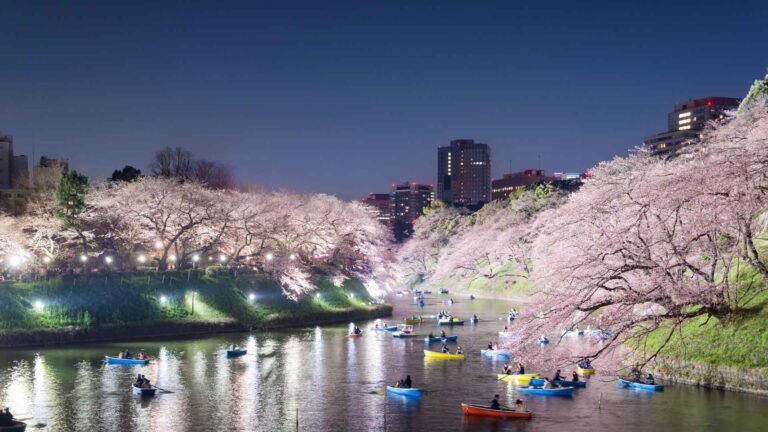
Japan’s climate varies dramatically by region. Hokkaido (north) has Siberian winters with world-class powder skiing. Tokyo experiences four seasons similar to Mediterranean Europe – mild winters (5-10°C/41-50°F), hot summers (30°C+/86°F+), beautiful spring and fall. Okinawa (south) is subtropical year-round. This means you can ski in Niseko in February, enjoy cherry blossoms in Tokyo in April, and beach-hop in Okinawa in November. Japan’s climate diversity offers something for every preference – if you choose the right region and season.
Thailand is tropical year-round, but not uniform. Bangkok and the south are hot (28-35°C/82-95°F) all year with two seasons: wet (May-October) and dry (November-April). Northern Thailand (Chiang Mai, Pai) actually gets cool in winter – mornings can hit 15°C (59°F) in December-January, pleasant for hiking and exploring. The “burning season” (February-April) brings agricultural smoke that can make northern Thailand unpleasant for travelers with respiratory sensitivities. If you want guaranteed warmth and beach weather, Thailand’s islands deliver – but timing matters for air quality and rainfall.
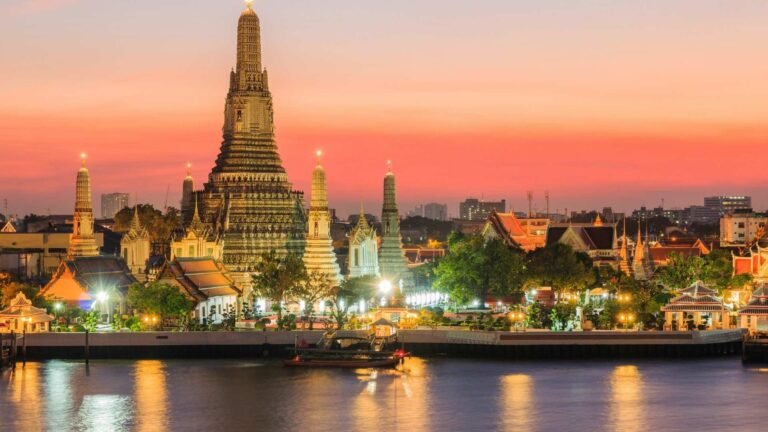
Experience Thailand
Vietnam stretches 1,650 kilometers north to south, giving it three distinct climate zones operating simultaneously. Hanoi (north) has four seasons including genuine winter (10-15°C/50-59°F in December-February). Central Vietnam (Hoi An, Hue) is transitional. Ho Chi Minh City (south) is tropical year-round. This means there’s always good weather somewhere in Vietnam – but also always rain somewhere. Understanding regional patterns prevents disappointment: don’t visit Hanoi expecting tropical beach weather, and don’t assume southern Vietnam is ever cool.
Strategy: Match your preferred climate to destination and timing. Escaping winter? Choose Thailand’s beaches or southern Vietnam. Want autumn colors? Choose Japan or Korea. Seeking genuine four-season travel? Japan and Korea deliver.
Experience Level: Matching Destination to Readiness
First-time Asia travelers and seasoned Asia hands need different experiences. Choosing a destination that matches your comfort level prevents frustration.
Thailand: The Ultimate First-Timer Asia Destination
Thailand has spent 40+ years perfecting tourism infrastructure for Western visitors. This shows in:
- Widespread English usage in tourist areas
- Well-established backpacker and luxury routes
- Tourism infrastructure that anticipates Western needs
- Cultural tolerance for tourist mistakes
- Efficient domestic transport (trains, flights, buses)
- Accommodation for every budget (hostels to resorts)
- Medical facilities comfortable treating foreigners
Thailand forgives novice travel mistakes. Get on the wrong bus? Someone will help. Struggle with ordering? Pictures on menus. Lost? Tourism police speak English. This safety net makes Thailand ideal for travelers who want Asia’s exotic appeal without overwhelming cultural barriers.
The downside? Tourism infrastructure can feel too developed in popular areas (Bangkok, Phuket, Krabi). You’re rarely far from other Westerners. Some travelers find this reassuring; others find it inauthentic. Thailand works beautifully if you value accessibility over discovery, but falls short if you’re seeking untouched experiences.
Japan: Solo-Friendly but Culturally Complex
Japan offers a paradox: incredibly easy to navigate physically, surprisingly difficult to understand culturally.
The easy part:
- Trains run exactly on time
- Signage includes English in major cities
- Vending machines and convenience stores everywhere
- Extremely safe – crime is negligible
- Clean, efficient, organized infrastructure
- Technology makes everything seamless
The complex part:
- Social rules are numerous and unspoken
- Saving face (yours and others’) matters immensely
- Direct communication is considered rude
- Restaurant etiquette varies by establishment type
- Limited English outside tourist zones
- Cash-based society (many places don’t accept cards)
Japan is perfect for travelers who enjoy decoding cultural nuance and don’t need English conversation to feel comfortable. Reading social situations becomes part of the adventure. But travelers who want easy connection with locals or spontaneous interaction may find Japan’s formality isolating.
Budget reality: Japan is expensive. Accommodation, food, and transport cost 2-3x Thailand or Vietnam. Solo travelers pay more per night because single rooms are rare and expensive. Japan rewards careful planning and budgeting – spontaneity often costs extra.
Korea: Emerging Destination with Modern Infrastructure
Korea offers a sweet spot between accessibility and authenticity. Tourism infrastructure has modernized rapidly (thanks to hosting Olympics and heavy tech investment), but Korea hasn’t been overrun by Western tourists yet.
Advantages:
- Excellent metro systems (Seoul, Busan)
- Tech-savvy culture (free WiFi everywhere, easy phone rental)
- Affordable compared to Japan
- Growing English signage and services
- Less touristy than Thailand, more accessible than Vietnam
- K-pop/K-drama cultural familiarity for many visitors
Challenges:
- Less English spoken than Japan or Thailand
- Cultural context less familiar to Westerners
- Fewer established tourist routes
- Some attractions lack English materials
Korea suits travelers who want some challenge without feeling lost, who enjoy urban exploration, and who appreciate being ahead of mass tourism. The “discovery” feeling still exists – you can find neighborhoods, restaurants, and experiences that aren’t overrun or written about exhaustively.
Vietnam: For the Adventurous Budget Traveler
Vietnam requires the most adventurous mindset but rewards it with authenticity and value.
Reality check:
- English is limited outside tourist hubs
- Infrastructure is developing but inconsistent
- Scams targeting tourists exist (not dangerous, but annoying)
- Driving culture is chaotic by Western standards
- Comfort levels vary wildly between properties
- Less hand-holding than Thailand
Rewards:
- Incredibly affordable ($30-50/day possible)
- Genuine local experiences still accessible
- Food scene is authentic and spectacular
- Dramatic landscapes (Ha Long Bay, terraced rice fields)
- Historical depth (French colonial, American War)
- Warm, welcoming people once you connect
Vietnam is perfect for budget travelers, backpackers, and those who value raw experiences over polish. But it’s the wrong choice if you want easy logistics, predictable quality, or minimal effort. Vietnam demands flexibility, patience, and humor – but delivers unforgettable experiences in return.
Cultural Interest Bridges: From What You Know to What You’ll Discover
Smart travelers use existing interests as bridges into new cultures.
If you’re fascinated by temples and Buddhism → Thailand or Japan
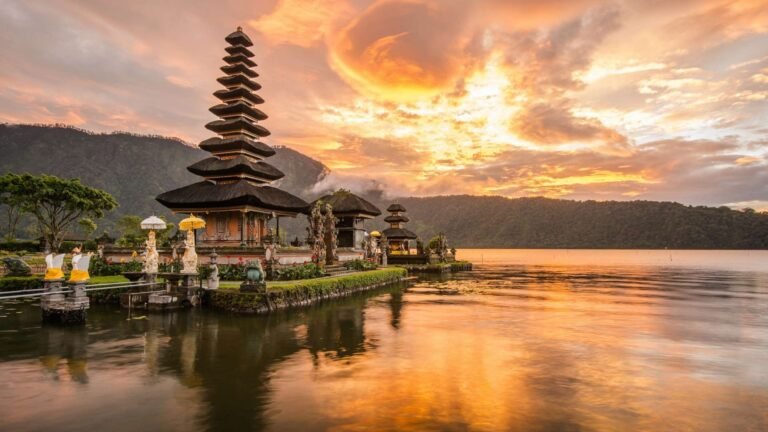
Thailand’s temple culture is immediate and accessible. Monks in orange robes are part of daily life, temples welcome visitors (dress respectfully), and Buddhist practices infuse everyday culture. Temple architecture is ornate, colorful, golden – visually stunning and instantly recognizable.
Japanese temple culture is more austere and contemplative. Zen gardens, minimalist design, meditation practices, and Shinto shrines (distinct from Buddhist temples) create layered spiritual landscape. The aesthetic is quieter but equally profound.
Vietnam has temples, but they blend Buddhist, Taoist, and Confucian elements – fascinating for religious studies, but less central to visitor experience.
Korea’s temple culture exists (often in mountain settings), but contemporary Korean life is more secular and Christian than other Asian countries. Temple stays (templestay programs) offer deep immersion, but temples aren’t as visible in daily urban life.
If you love technology and modernity → Japan or Korea
Japan pioneered consumer tech culture and still leads in robotics, toilets (yes, seriously), vending machines, and urban design. Tokyo’s Akihabara district is tech heaven. The contrast between ancient temples and cutting-edge technology creates fascinating juxtaposition.
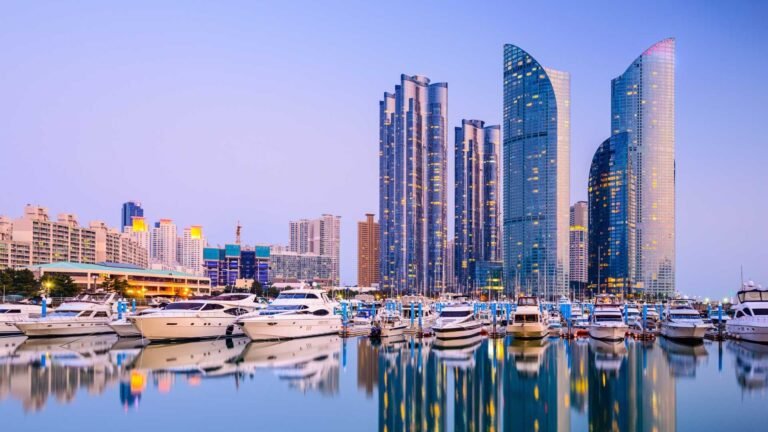
Korea is challenging Japan’s tech dominance – Samsung, LG, and hyper-fast internet define Korean modernity. Seoul feels like the future: contactless everything, delivery culture that makes Western services look primitive, and tech-integrated daily life. K-pop and K-beauty industries show Korea’s mastery of digital marketing and global brand building.
Thailand and Vietnam have technology, but it’s not defining cultural characteristic. You visit these countries despite technology, not because of it.
If you’re drawn to nature and landscapes → Vietnam or Thailand
Vietnam’s geography is staggeringly diverse: Ha Long Bay’s limestone karsts, Sapa’s terraced rice fields, Mekong Delta’s waterways, Central Highlands’ coffee plantations, pristine beaches. Nature tourism infrastructure is developing, making Vietnam ideal for adventurous nature lovers.
Thailand offers islands, jungles, mountains, and national parks – all with better infrastructure than Vietnam. Rock climbing in Krabi, jungle trekking in Chiang Mai, island hopping in the south, and elephant sanctuaries (ethical ones exist) provide nature experiences with comfort.
Japan has stunning nature (Mount Fuji, Japanese Alps, northern forests), but nature tourism often requires more effort and expense than Thailand or Vietnam.
Korea has beautiful mountains and coastal areas, but nature tourism is less developed for international visitors. Domestic tourism is huge, but language barriers make independent nature travel challenging.
If you love history and colonial architecture → Vietnam
French colonial legacy left Vietnam with gorgeous architecture (Hanoi’s Old Quarter, Hoi An’s preserved town, Saigon’s boulevards). Combine this with ancient imperial cities (Hue), Cham ruins, and American War history, and Vietnam offers the deepest historical layers.
Thailand’s history is fascinating (ancient kingdoms, never colonized) but less visible in architecture outside specific sites.
Japan’s history is profound but accessed through castles, shrines, and traditional neighborhoods – different aesthetic than Western historical architecture.
Korea’s history was heavily disrupted by Japanese occupation and Korean War. Historical sites exist but aren’t as prominent as Vietnam or Japan.
Budget Reality: What Things Actually Cost
Understanding real costs prevents surprises and helps match destination to budget.
Daily Budget Estimates (Mid-Range Traveler):
Thailand: $40-80/day
- Accommodation: $15-40/night (guesthouse to mid-range hotel)
- Food: $10-20/day (street food to nice restaurants)
- Transport: $5-10/day (taxis, tuk-tuks, metro)
- Activities: $10-20/day (temples, tours)
Vietnam: $30-60/day
- Accommodation: $10-30/night (guesthouse to hotel)
- Food: $8-15/day (incredible value for quality)
- Transport: $5-10/day (taxis, Grab app, trains)
- Activities: $5-15/day (sites, tours)
Korea: $60-120/day
- Accommodation: $30-70/night (guesthouse to hotel)
- Food: $15-30/day (excellent value compared to Japan)
- Transport: $5-10/day (metro, buses)
- Activities: $10-25/day (palaces, shows, experiences)
Japan: $80-150/day
- Accommodation: $40-100/night (capsule hotels to ryokan)
- Food: $20-40/day (ramen to kaiseki)
- Transport: $10-20/day (JR pass math matters)
- Activities: $15-30/day (temples, museums, gardens)
Key variables:
Accommodation: Budget hostels exist everywhere ($8-15/night). Mid-range varies wildly. Japan’s mid-range is Korea’s upper-mid-range.
Food: Street food in Thailand and Vietnam is incredibly cheap ($1-3/meal) and delicious. Japan’s cheap food is convenience stores (excellent quality, $5-8). Korea’s cheap food is casual restaurants ($5-10). Fine dining is expensive everywhere but most affordable in Vietnam.
Transport: Domestic flights are cheap in Thailand. Japan Rail Pass saves money if traveling between cities. Korean metro is excellent value. Vietnam’s trains are cheap but slow (buses faster).
Alcohol: Japan and Korea are expensive for alcohol. Thailand varies wildly (cheap beer, expensive wine). Vietnam offers best value for beer and wine.
Activities: Temple entry in Thailand and Vietnam is cheap ($1-3). Japan’s sites cost more ($5-10). Korea’s palaces are reasonable ($3-5). Tours and experiences cost most in Japan.
Bottom line: Vietnam delivers best value. Thailand offers good value with more comfort. Korea is moderately priced with excellent food value. Japan requires the largest budget but delivers corresponding quality.
“If You Liked X, Try Y” – Informed Recommendations
Smart second-trip planning builds on what worked first time.
If you loved Bali → Try Vietnam
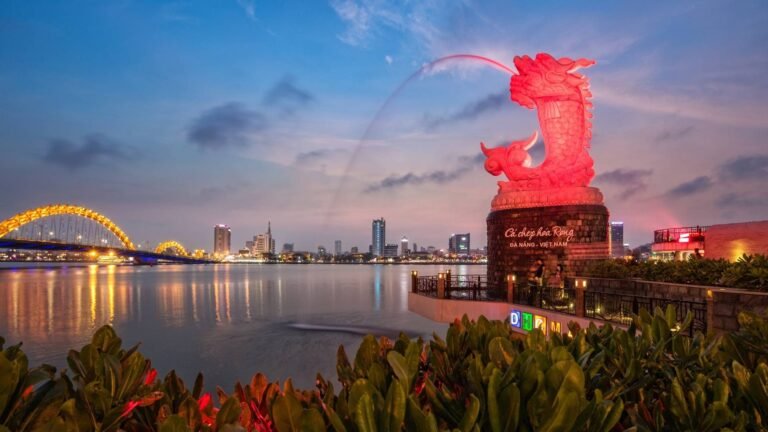
Bali’s appeal (tropical beaches, rice terraces, affordable luxury, yoga/wellness culture, friendly locals) translates well to Vietnam’s coast (Nha Trang, Phu Quoc, Da Nang) and northern mountains (Sapa). Vietnam offers similar experiences with more diversity and fewer crowds.
If you loved Tokyo → Add Seoul
Tokyo’s urban energy, fashion culture, food scene, and tech-forward lifestyle have a Seoul equivalent – but Korea adds nightlife energy and different aesthetic. Seoul is grittier, more colorful, more spontaneous. Think Tokyo’s organization meets Bangkok’s chaos, filtered through Korean creativity.
If you loved Thailand’s islands → Try Japan’s Okinawa
Okinawa offers tropical beaches with Japanese quality standards. Less party atmosphere than Thai islands, more family-friendly, excellent diving, distinct Ryukyuan culture. More expensive but delivers Japanese service excellence in tropical setting.
If you loved Vietnam’s culture → Try northern Thailand
Chiang Mai and northern Thailand share some of Vietnam’s appeal: mountains, ethnic minority cultures, artisan traditions, food scene, laid-back pace. More developed tourism infrastructure makes it easier, but less raw than Vietnam.
If you loved Japanese aesthetic → Try Korean design
Modern Korean design (architecture, interiors, products) takes minimalism in different direction than Japan. Less zen restraint, more bold color and pattern. Korean cafes, bookstores, and design districts show the evolution.
If you loved Thai food → Try regional Vietnamese cuisine
Vietnamese food shares Thai flavors’ freshness and herb usage but with French influence and regional variations. Northern Vietnamese food is subtler, southern is bolder, central is most complex. Exploring regional Vietnamese cuisine after mastering Thai food is natural progression.
Making Your Decision: A Framework
Answer these questions honestly:
1. What’s your primary motivation?
- Beach relaxation → Thailand’s islands
- Urban exploration → Japan (Tokyo) or Korea (Seoul)
- Cultural immersion → Japan or Vietnam
- Adventure travel → Vietnam
- Food exploration → All excel, but Thailand most accessible
2. What’s your comfort-to-challenge ratio?
- Maximum comfort → Japan (expensive) or Thailand (affordable)
- Balanced → Korea
- Embrace challenge → Vietnam
3. What’s your realistic daily budget?
- Under $50 → Vietnam or Thailand
- $50-100 → Korea or Thailand (luxury)
- Over $100 → Japan or luxury anywhere
4. How much planning do you enjoy?
- Minimal → Thailand (easy to wing it)
- Moderate → Korea (some planning helps)
- Detailed → Japan (planning maximizes value)
- Flexible → Vietnam (plans will change anyway)
5. Do you travel solo or with others?
- Solo → Japan (very safe) or Thailand (social scene)
- Couple → Korea (romantic) or Japan (diverse experiences)
- Family → Thailand (kid-friendly) or Japan (older kids)
- Friends → Vietnam (adventure bonding) or Thailand (party/beach)
6. What season are you traveling?
- December-February → Thailand or southern Vietnam (dry, warm)
- March-May → Japan (spring) or northern Vietnam (cool, clear)
- June-August → Korea (summer) or Hokkaido (escape heat)
- September-November → Japan (fall) or Korea (autumn colors)
7. What’s your cultural curiosity level?
- High (want deep understanding) → Japan
- Moderate (want to learn and engage) → Korea or Vietnam
- Relaxed (want glimpses, not study) → Thailand
8. Previous Asia experience?
- First timer → Thailand
- Some experience → Korea or northern Vietnam
- Asia veteran → Japan (always more to discover)
- Multiple trips → Vietnam (constantly evolving)
The Truth About “Doing It All”
Many travelers want to combine countries: “Two weeks in Thailand AND Vietnam” or “Japan and Korea together.”
This rarely works well for first-timers. Here’s why:
Transit time eats vacation days. Bangkok to Hanoi is a full travel day (flights+airports). Tokyo to Seoul is easier but still half a day. Two weeks becomes: fly in, 3 days adjust + sightsee country 1, travel day, 3 days country 2, travel day, fly home. That’s 6-7 actual days exploring across two countries. You’d see more staying put.
Cultural context doesn’t transfer. Skills learned in Thailand (bargaining, temple etiquette, street food confidence) don’t apply in Japan (no bargaining, different temple protocols, restaurant culture). You spend mental energy adjusting rather than deepening.
Budget optimization fails. Japan’s expensive. Vietnam’s cheap. Combining them doesn’t average out – you overspend in Japan and underspend in Vietnam, missing both country’s sweet spots.
Better strategy: Choose ONE country for your first visit. Go deep rather than wide. See diverse regions within that country. Build expertise and connection. Then return to Asia for a different country, armed with comparative understanding.
Exception: If you’ve been to Asia before, combining Japan/Korea makes sense – similar infrastructure, short flight, complementary experiences. Thailand/Vietnam works if you understand the stark differences and plan accordingly.
Final Recommendation
Choose Thailand if: You want accessible Asia, guaranteed beach weather, excellent food, affordable luxury, easy logistics, and social travel scene. Thailand rewards relaxation and enjoyment over challenge.
Choose Japan if: You appreciate craftsmanship, want cultural depth, can budget $100+/day, enjoy subtle social navigation, value safety and efficiency, and want experiences that require effort to understand fully.
Choose Korea if: You want modern Asia, are curious about emerging destinations, value food experiences, want urban energy, appreciate being ahead of tourism crowds, and enjoy tech-integrated culture.
Choose Vietnam if: You’re budget-conscious, embrace adventure, want authentic experiences, don’t mind logistics challenges, appreciate historical complexity, love fresh food, and value discovery over comfort.
None of these choices are wrong. The question is which fits where you are now – in budget, experience, mindset, and travel goals.
Asia rewards return visits. Your first trip teaches you what you didn’t know you needed to learn. Your second trip builds on that foundation. Your tenth trip still reveals surprises.
Choose the country that excites you most right now. Trust that instinct. The others will wait.
The world is your playground. Start with the slide that calls to you.
Other Leisure Media experiences
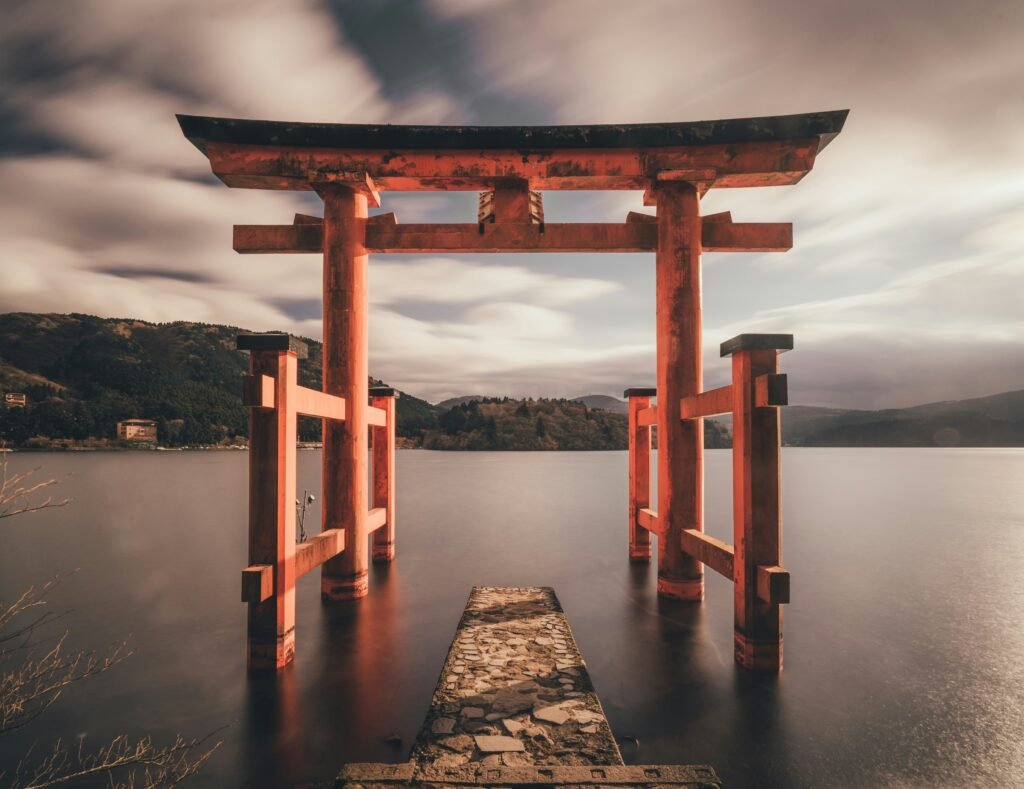
Japan is also a spiritual journey