Japan

  • Planning a Trip to Japan

    Planning a Trip to Japan

    How to Plan a Trip to Japan — Step by Step Guide for First-Time Visitors

    Planning a trip to Japan can feel overwhelming at first. The country is rich in culture, experiences, and destinations, and many travelers aren’t sure where to begin — how long to stay, where to go, when to visit, or how to get around.

    The good news is that Japan is one of the safest and most organized travel destinations in the world. With a little preparation, planning your trip can be straightforward and even enjoyable.

    This step-by-step guide will help you move from the first idea to a fully planned Japan itinerary.


    Step 1: Decide When to Visit Japan

    Japan is a year-round destination, but the season you choose will shape your experience.

    Spring (March–May) is famous for cherry blossoms and mild temperatures.
    Summer (June–August) brings festivals, mountain travel, and hot weather.
    Autumn (September–November) offers colorful foliage and comfortable conditions.
    Winter (December–February) is ideal for skiing, snow scenery, and fewer crowds in cities.

    If seasonal scenery is important to you, timing your visit carefully makes a big difference.


    Step 2: Planning a trip to Japan: Choose How Long to Stay

    Japan rewards longer trips, but even shorter visits can be memorable.

    Typical trip lengths:

    • 7–10 days → Tokyo + Kyoto + nearby excursions
    • 10–14 days → Tokyo + Kyoto + Osaka + additional regions
    • 2–3 weeks → Multiple regions with deeper exploration

    Travel time between cities is efficient thanks to high-speed trains, making multi-city itineraries practical.


    Step 3: Decide Where to Go

    First-time visitors often follow the classic route:

    • Tokyo — modern culture and city life
    • Kyoto — temples and traditional Japan
    • Osaka — food and entertainment

    Additional popular destinations include:

    • Mount Fuji and Hakone for nature and hot springs
    • Hiroshima and Miyajima for history
    • Nara for ancient temples
    • Hokkaido for outdoor adventures
    • Okinawa for beaches and tropical scenery

    Your choices should reflect your interests — culture, nature, cities, food, or relaxation.


    Step 4: Book Flights and Accommodation

    Flights to Japan are widely available from major international airports, and prices vary depending on season and booking time.

    Accommodation options include:

    • Hotels (budget to luxury)
    • Traditional ryokan inns
    • Capsule hotels
    • Guesthouses and apartments

    Booking accommodation early is recommended during peak seasons such as cherry blossom and autumn foliage periods.


    Step 5: Understand Transportation in Japan

    Japan’s transportation system is one of the most efficient in the world. When you plan a trip to say Japan and maybe Tokyo, it is a must to know how to use the sophisticated public transportation like the Shinkansen. A life time experience.

    The high-speed Shinkansen (bullet train) connects major cities quickly and comfortably. Urban metro systems are reliable and easy to use, even for first-time visitors.

    Many travelers consider rail passes depending on their itinerary, but local transport cards and individual tickets also work well.


    Step 6: Plan Experiences and Activities

    Japan offers a wide range of experiences beyond sightseeing.

    Popular activities include:

    • Visiting temples and shrines
    • Food tours and cooking classes
    • Onsen (hot spring) bathing
    • Cultural experiences such as tea ceremonies
    • Scenic train journeys
    • Shopping districts and markets
    • Nature excursions and hiking

    You don’t need to plan every detail in advance, but booking popular attractions early can save time.


    Step 7: Prepare for Cultural Differences

    Japan is welcoming to visitors, but cultural norms differ from Western countries.

    Important things to know include:

    • Politeness and respect are highly valued
    • Shoes are removed in some places
    • Public behavior is generally quiet and orderly
    • Tipping is not expected
    • Cash is still commonly used

    Understanding these basics helps travelers feel more comfortable and confident.


    Step 8: Budget and Money Planning

    Japan can fit a range of budgets depending on travel style.

    Costs vary based on:

    • Accommodation type
    • Dining choices
    • Transportation distances
    • Activities and experiences

    While Japan has a reputation for being expensive, many travelers find excellent value considering the quality, safety, and reliability.


    Step 9: Final Preparations Before Departure

    Before traveling, it’s helpful to:

    • Check passport validity and visa requirements
    • Arrange travel insurance
    • Download useful travel apps
    • Prepare basic itinerary details
    • Notify your bank if needed
    • Pack for the season and activities

    Good preparation reduces stress and allows you to enjoy the journey more fully.


    Starting to Plan Your Japan Adventure

    Planning a trip to Japan may seem complex at first, but the process becomes easier once you break it into steps. The country rewards preparation with unforgettable experiences — from cultural discoveries and world-class cuisine to beautiful landscapes and unique traditions.

    For many travelers, Japan becomes a destination they return to again and again.

    Explore our Japan articles below for more inspiration, destination guides, and travel tips to help you plan your journey.

    Asia on traveltalk.travel:
    Asia

    Other Leisuretalk media:

    leisuretalk.net
    worldsporttalk.com
    leisure.wine (coming mid 2026)

  • Top Destinations in Japan

    Top Destinations in Japan

    Top Destinations — Where to Go on Your First or Next Trip

    Japan offers an incredible diversity of destinations within a relatively compact country. From futuristic megacities and historic temple towns to mountain landscapes and coastal scenery, choosing where to travel to japan can feel overwhelming — especially for first-time visitors.

    The good news is that Japan’s transport system makes it easy to combine several destinations in one trip. Many travelers follow a classic route between Tokyo, Kyoto, and Osaka, while others explore beyond the main tourist path to discover regional culture, nature, and hidden gems.

    Here are some of the top destinations to help you decide where to travel.


    Tokyo — Dynamic Capital

    Tokyo is often the starting point for travel to Japan, and for good reason. The city combines ultra-modern architecture, historic neighborhoods, world-class shopping, incredible food, and unique cultural experiences.

    You can visit ancient temples in Asakusa, explore the fashion districts of Shibuya and Harajuku, enjoy panoramic city views, and discover some of the best dining in the world — all in a single day.

    Tokyo is ideal for travelers interested in modern Japan, technology, nightlife, shopping, and urban culture.


    Kyoto — Traditional Japan at Its Most Beautiful

    Kyoto represents the cultural heart of Japan. As the former imperial capital for more than 1,000 years, the city is home to thousands of temples, shrines, gardens, and historic districts.

    Visitors come to Kyoto to experience traditional architecture, geisha culture, tea ceremonies, and seasonal beauty such as cherry blossoms in spring and autumn foliage.

    Kyoto is perfect for travelers seeking history, culture, and iconic Japanese scenery.


    Osaka — Food, Energy, and Entertainment

    Osaka is known as Japan’s kitchen and offers a more relaxed, outgoing atmosphere compared to Tokyo. The city is famous for street food, nightlife, and friendly locals.

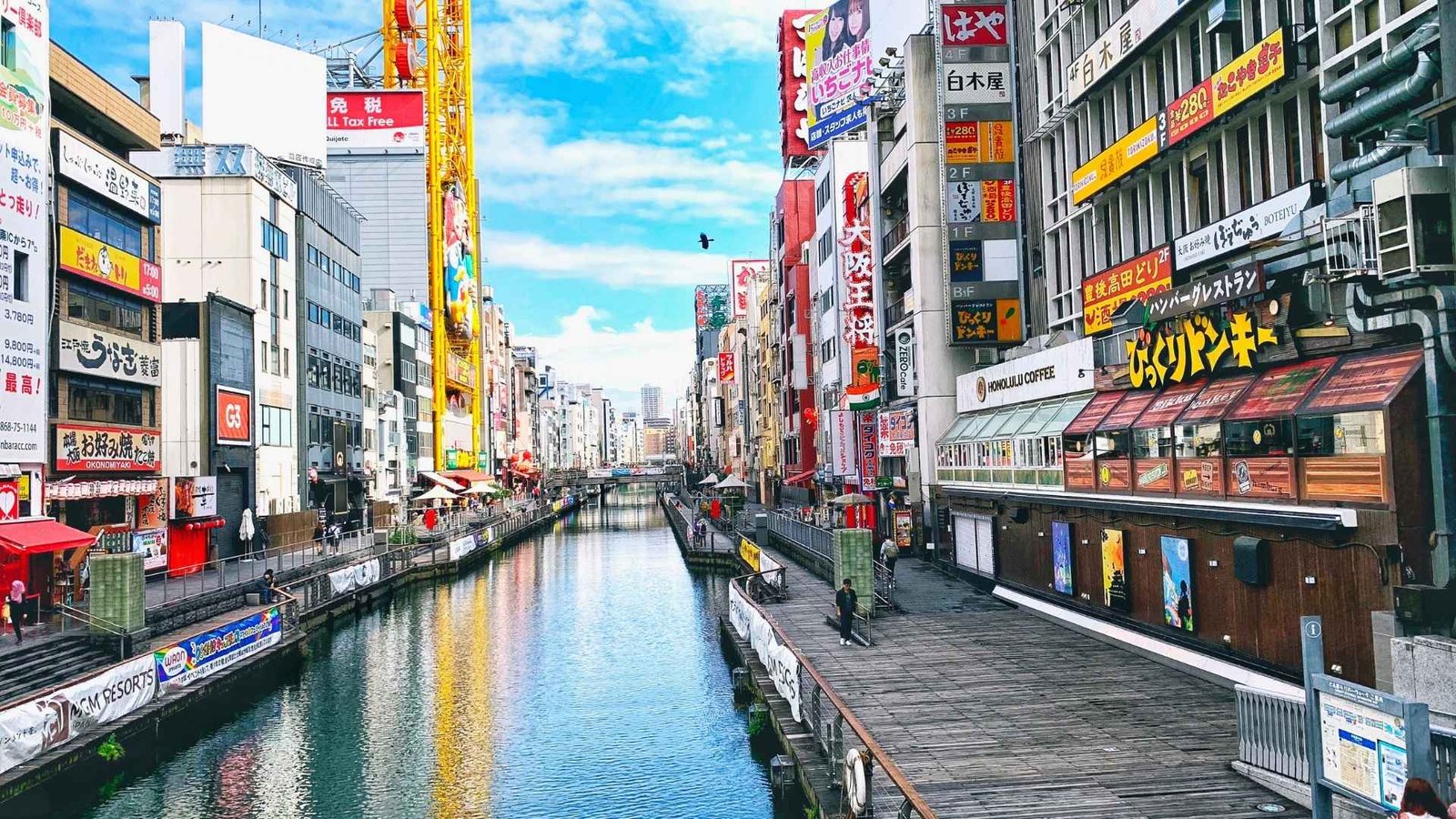
    Popular attractions include Osaka Castle, vibrant entertainment districts like Dotonbori, and nearby Universal Studios Japan.

    Osaka works especially well combined with Kyoto and Nara, making it a convenient base for exploring the Kansai region.


    Mount Fuji and Hakone — Iconic Landscapes and Hot Springs

    Mount Fuji is Japan’s most famous natural landmark and a symbol of the country. Many travelers visit the Fuji Five Lakes region or Hakone to enjoy views of the mountain, scenic nature, and traditional hot spring experiences.

    Hakone is particularly popular because it’s easily accessible from Tokyo and offers a relaxing contrast to the big city.

    This area is ideal for nature lovers and those wanting a traditional ryokan stay.


    Hiroshima and Miyajima — History and Scenic Beauty

    Hiroshima is an important historical destination, known worldwide for the Peace Memorial Park and Museum, which commemorate the events of World War II.

    Nearby Miyajima Island offers one of Japan’s most iconic sights — the floating torii gate of Itsukushima Shrine — along with beautiful hiking trails and coastal scenery.

    This region combines powerful history with natural beauty and is often included in longer Japan itineraries.


    Hokkaido — Nature and Outdoor Adventures

    Hokkaido, Japan’s northern island, is famous for wide-open landscapes, national parks, and outdoor activities. In winter, it offers some of the world’s best powder snow for skiing and snowboarding, while summer brings hiking, flower fields, and cooler temperatures.

    The main city, Sapporo, is known for food, festivals, and beer culture.

    Hokkaido is ideal for travelers looking for nature, outdoor adventures, and fewer crowds.


    Okinawa — Tropical Side

    Okinawa feels very different from mainland Japan. Located in the south, the islands offer tropical beaches, coral reefs, relaxed island culture, and unique history influenced by the former Ryukyu Kingdom.

    Visitors come for beach holidays, diving, snorkeling, and warm weather almost year-round.

    Okinawa is perfect for travelers wanting a combination of Japanese culture and tropical relaxation.


    Nara — Ancient Temples and Sacred Deer

    Nara was Japan’s first permanent capital and remains one of the country’s most historic destinations. The city is famous for its friendly deer roaming freely in Nara Park and the massive Great Buddha statue inside Todai-ji Temple.

    Nara is easily visited as a day trip from Kyoto or Osaka and offers a peaceful atmosphere compared with larger cities.


    Kanazawa — Culture Without the Crowds

    Kanazawa is often called “Little Kyoto” because of its preserved samurai districts, geisha neighborhoods, and historic gardens. The city offers rich cultural experiences with fewer crowds than Kyoto.

    Highlights include Kenrokuen Garden, one of Japan’s most beautiful landscape gardens, and a renowned seafood scene.

    Kanazawa is ideal for travelers wanting traditional Japan in a quieter setting.


    Plan Your Itinerary

    Most travelers combine several destinations depending on trip length. Popular itineraries include:

    • Tokyo + Kyoto + Osaka (classic first trip)
    • Tokyo + Hakone + Kyoto (culture and nature)
    • Tokyo + Kyoto + Hiroshima (longer cultural journey)
    • Hokkaido or Okinawa (regional exploration)

    Japan rewards both first-time visitors and returning travelers, with new experiences waiting in every region.


    Discover More Destinations

    Explore our Japan articles below to find detailed guides, travel tips, and inspiration for planning your journey through one of the world’s most fascinating countries.