
From the traveltalk.dk family – started in Denmark in 2018
Read in: Dansk (original)
Denmark’s 5 national parks protect our protected nature, from Thy to the land of the Skjoldungs on Zealand
Denmark’s 5 national parks were chosen for their unique natural and cultural heritage. They are beautiful, living museums and far from dull. They hold a significant part of Denmark’s soul. Here they all are, including the 6th on the way.
- Thy National Park: Located in North Jutland, known for its wild coastal landscapes, dunes and rich birdlife.
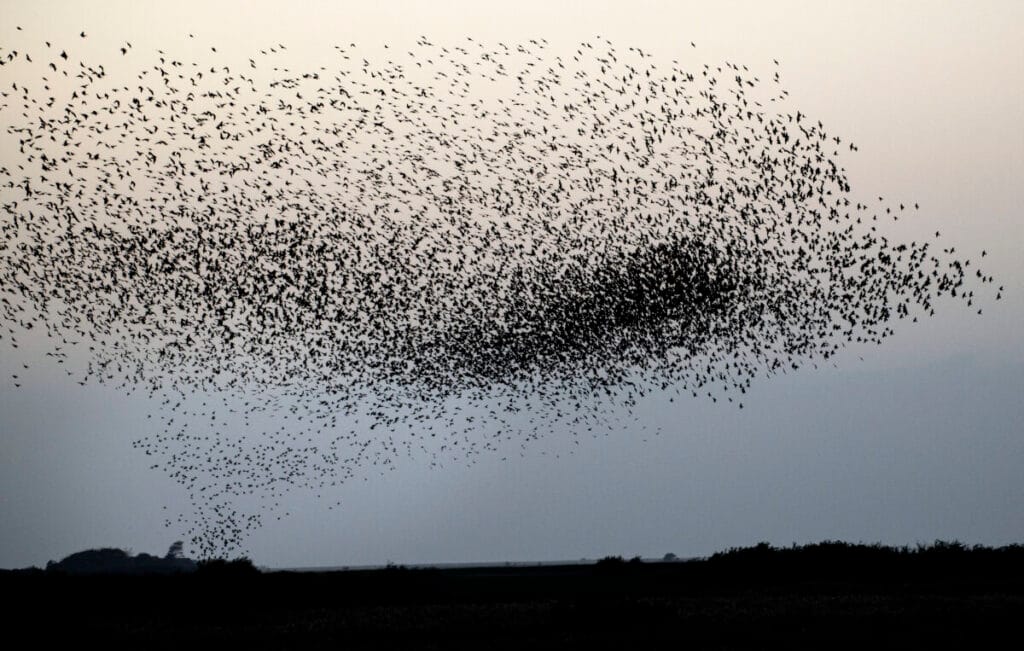
- Wadden Sea National Park: Part of the Wadden Sea, a UNESCO World Heritage Site, known for its tidal flats, migratory birds and seal colonies.
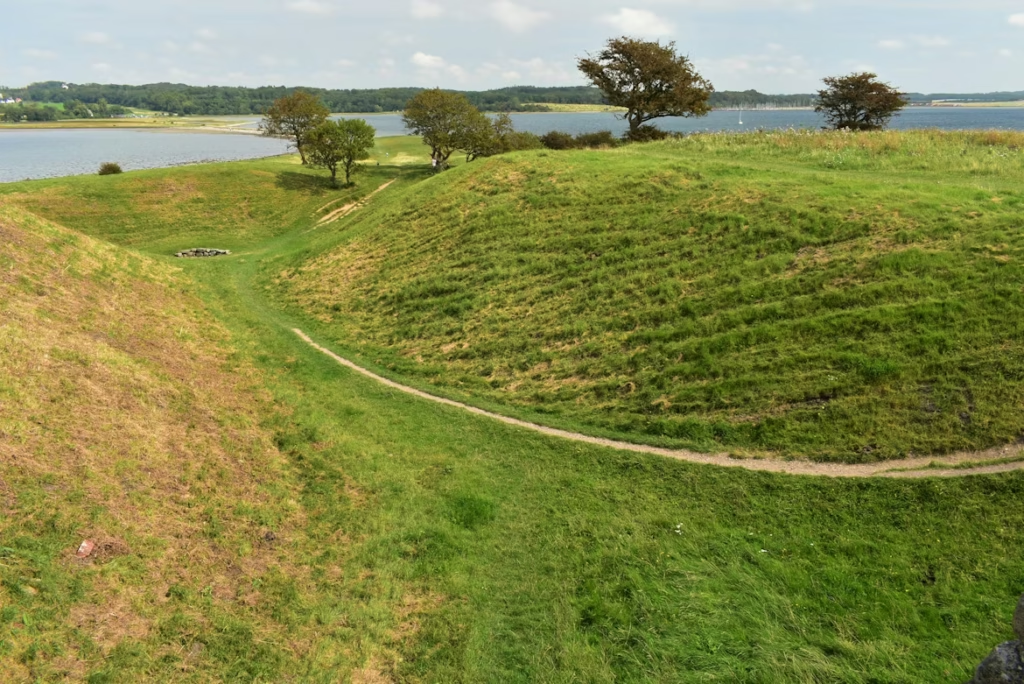
- Mols Bjerge National Park: Located in Djursland, known for its rolling hills, heathland and ancient burial mounds.
- Kongernes Nordsjælland National Park: Located in North Zealand, rich in royal history, woodland and lakes.
- Skjoldungernes Land National Park: On Zealand, known for its cultural landscapes, ancient monuments and fjord
- The 6th, which is being planned in cooperation with the EU, is a national park for the waters between Lolland and South Zealand, Smålandsfarvandet

Mols National Park, Denmark’s 5 national parks
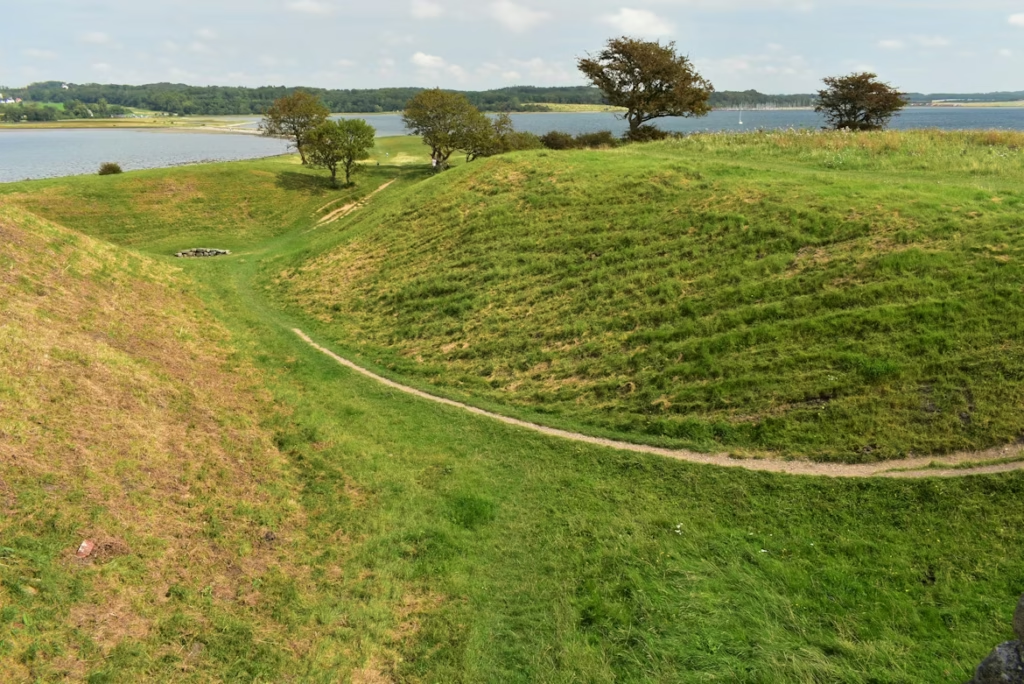
The national park is expected to cover roughly 175,000-188,000 hectares. It includes the waters between South Zealand, Lolland, Falster and Møn, as well as coastal land areas.
How were Denmark’s national parks selected?
Denmark’s national parks were chosen to protect the country’s most valuable landscapes, biodiversity and cultural heritage. Each park represents different aspects of Denmark’s natural environment, from coastal ecosystems to historic landscapes, ensuring a diverse conservation effort.
How to visit Denmark’s national parks
Visiting the parks is straightforward, and most are accessible by car, bicycle or public transport. Each park offers a range of outdoor activities such as hiking, cycling, birdwatching and guided tours. Visitor centres in the parks provide information and maps. It is recommended to check each park’s website for specific routes, seasonal events and guided tour schedules.
Costs and access
Access to all of Denmark’s national parks is free, making them a budget-friendly option for exploring Denmark’s natural beauty.
The best time to visit the national parks
The best time to visit depends on the park:
- Spring (April to June): Ideal for blooming flowers, migrating birds and mild weather.
- Summer (July to August): Offers the warmest weather, perfect for outdoor activities such as swimming and cycling.
- Autumn (September to October): Known for beautiful autumn colours and fewer crowds.
- Winter (November to March): Suited to those interested in quiet landscapes and winter wildlife, although some facilities may be closed or have reduced opening hours.
Mols National Park, Denmark’s 5 national parks - The Fehmarn Belt tunnel: Denmark’s new link to Europe
Each of Denmark’s 5 national parks is worth a trip or journey. They offer different experiences depending on the season, so it is worth visiting them year-round to fully appreciate their varied environments. For more detailed planning, including maps and event calendars, visit the official website of Denmark’s National Parks at The Danish National Parks.
The relentless battle for Rubjerg Knude
If you are planning a short break or a little getaway, you can also read our new main guide: Weekend stays in Denmark – 7 underrated towns that are perfect for a weekend trip.
Weekendophold i Danmark: 7 hyggelige byer til din næste getaway
Also read
- 15 of the most fascinating caves and grottoes to visit
- Italy’s 5 autonomous regions, like 5 countries in one motherland
- The Fehmarn Belt tunnel: Denmark’s new link to Europe
Hiking and cycling routes in the parks
Thy National Park has a number of marked trails through the dunes and along the coast. Most routes are short and flat, but the sand makes walking hard going, especially in the loose sand near Hanstholm. It is an advantage to bring good shoes and to keep to the consolidated tracks where they exist.
In the Wadden Sea it is the long walks out across the tidal flats that draw people in. There are hiking routes on foot in the park’s coastal area, but many choose cycle routes along the dyke, where you get views over the meadows and the birds. The distances are shorter than they look on the map, but the wind is constant and almost always comes from the west.
Mols Bjerge is the park where you can combine several types of route. The paths climb over the rolling hills and past the heathland, and several of the ridges have views over the Kattegat. The climbs are few, but they are short and steep enough to be felt in the legs. Many choose to walk a circular route between the burial mounds, reading about the various ancient finds along the way.
Kongernes Nordsjælland and Skjoldungernes Land lie closer to the capital and have a mixed character of woodland trails, lakeshores and cultural landscape. Here the routes are typically woodland paths with gentle terrain, and they suit a half-day outing. The paths are often undulating, especially in the forests, and in wet periods some stretches can be muddy.
It is wise to check each park’s website for current routes, as markings and trail alignments can change.
Getting there
Thy is the park that lies furthest from the big cities. The nearest larger town is Thisted, and from Aalborg and Aarhus you typically drive or take the train to Thisted and continue by local bus. A car is the most practical solution when you want to move around the park’s scattered areas. There are car parks at the main visitor sites, but they can be small in peak season.
The Wadden Sea stretches along western Jutland, and there are several entrances. Trains and buses run to the towns on the coast, and from there you can hire a bicycle. Many choose to cycle out along the dykes, as it is the most obvious way to see the landscape. There is parking at the larger visitor sites, but it is a good idea to check whether there is free or paid parking in the town you choose as your base.
Mols Bjerge is easiest to reach by car from Djursland and Aarhus. Public transport to the area is more limited, and buses do not run everywhere. It is therefore practical to plan your trip around the few stops and, if necessary, drive to the starting point. Bicycle hire can be found near the larger towns, but it is a good idea to check the opening hours in advance.
For Kongernes Nordsjælland and Skjoldungernes Land, train and bus are the most obvious options, as the areas lie close to the capital region. The easiest way to get there is often by taking the train to a nearby station and then walking or cycling the last stretch. Parking is available at the larger visitor sites, but at weekends they can be full. It is worth checking the journey planner before departure.
Getting to the individual parks
Thy lies far out in north-west Jutland, and it is not a journey you make without a car. The train runs to Thisted, and from there local buses continue towards the coastal towns. Frequency is low outside peak travel times, so it is wise to check the journey planner well in advance.
The Wadden Sea can be reached by train to Esbjerg or Ribe. From Ribe it is a short distance to the western visitor sites, while from Esbjerg you typically take a bus or cycle. A car gives the greatest freedom, especially if you want to reach several entry points in one day.
Mols Bjerge is closest to Aarhus and Djursland. You can take the train to Ebeltoft or Rønde and from there a bus or bicycle. Public transport does not, however, run to every point in the park, and many choose to drive to a starting point.
Kongernes Nordsjælland and Skjoldungernes Land are the easiest to reach. Local trains from Copenhagen and Roskilde stop near several of the areas, and from the stations it is often a short walk or cycle. At weekends the car parks by the lakes can be full, so the train is often the best choice.
Where to sleep and eat
Thy has several campsites, and most lie close to the coast or in wooded areas. There are also hotels and smaller bed and breakfasts in towns such as Hanstholm and Thisted. Many choose to stay in the area for several days, as there is a great deal to see. Restaurants in the coastal towns often serve fish from the local fishing industry, and this is a good way to taste the region.
The Wadden Sea has a distinctive food culture, in which lamb from the salt marshes and shellfish from the mudflats feature prominently on the menu. There are campsites and holiday homes along the coast, and the towns of Ribe and Esbjerg have a wide range of hotels and places to stay. It is an advantage to book well ahead in the summer period, when many visitors seek the same places.
Mols Bjerge has a small selection of places to stay within the area itself, but there are more options in Djursland and along the coast towards Aarhus. Bed and breakfasts and village inns are typical. Many of the local restaurants place emphasis on produce from the region, and it is an obvious option to eat after a long day on the trails.
Kongernes Nordsjælland and Skjoldungernes Land lie close to larger towns, which offers access to many types of accommodation, from hotels to campsites in the open countryside. Around the lakes and in the villages there are inns and cafés, where you can get a simple lunch or a more considered dinner. It is wise to reserve a table at weekends.
Accommodation and eateries in each park
In Thy, Hanstholm and Thisted are the largest towns nearby, and here you will find smaller hotels and bed and breakfasts in the mid-price range. The campsites along the coast are simple and often lie sheltered behind the dunes. Eateries serving fish from the local fishing industry are a recurring theme, and the price level is typically moderate.
On the Wadden Sea, Ribe is one of the most obvious bases. The town has a number of small hotels and guesthouses at the pricier end, several of them in the old streets. Esbjerg offers a broader selection at lower prices. Lamb dishes from the salt marshes are a typical menu item, and the price sits between the budget and mid-range segments.
Mols Bjerge has few places to stay inside the park itself. Village inns and bed and breakfasts in Djursland are the most common choice, and the price depends on the season. The restaurants in the area place emphasis on local produce and are a good choice after a long walk on the trails.
In Kongernes Nordsjælland and Skjoldungernes Land the selection is greatest. Here you will find hotels, campsites and inns around the lakes and in the villages. Cafés and inns in the area often offer a simple lunch, while the dinner restaurants are typically in the larger towns. It is wise to reserve a table at weekends.
What you should know before you set out
The Wadden Sea is the park where you need to pay the closest attention to the tides. The water can come in quickly, and mudflats that appear dry can be covered by water a few hours later. You should always know the tide times and keep to the marked routes. It is not a place to head out alone without having told someone where you are going.
In the dunes of Thy it is important to stay on the paths. The dunes are fragile, and moving off the paths can damage the vegetation and make the sand unstable. Several areas are protected, and special rules apply to where you may walk, cycle and camp. Dogs typically must be kept on a lead in the sensitive areas, and it is worth reading the signage at the entrances.
In Mols Bjerge and on Zealand, it is the conservation rules you need to be aware of. Many areas are protected, and you should not pick plants or disturb wildlife, particularly during the breeding season. Keep your distance from birds and animals, and do not fly drones without having checked the applicable rules.
Bring water, a light lunch and clothing that can cope with changeable weather, as the wind and temperature can change quickly, especially on the coast. Good shoes, a waterproof jacket and a map or a phone with a charger are also a good idea. Do let someone know where you are heading and when you expect to be back.
Safety advice and rules of conduct
On the Wadden Sea, the tide is the most important factor. You should always check the tide table before heading out onto the flats, and be aware that the water can come in across several hundred metres in a short time. Never go out onto the flats alone without having told anyone where you are, and keep to the marked routes and distance markers.
In Thy you must stay on the marked paths. The dunes are worthy of protection, and moving off the paths can damage the plants and make the sand unstable. Dogs typically must be kept on a lead in the sensitive areas, and the signage at the entrances sets out the precise rules.
Many areas within the parks are protected. This means you may not pick plants, dig into the ground or disturb wildlife, particularly during the breeding season. Keep your distance from birds and animals, and check the rules before you fly a drone, as they can vary from area to area.
Bring water, clothing that can handle changeable weather, and a phone with a charger. The wind along the coast can shift quickly, and an easy walk can soon turn cold and wet.
Experiences for children
Thy has several places where children can roam freely in nature. The dunes are a large playground, and it is easy to find sandy slopes to run and slide down. There are trails with information boards that tell you about the birds and the dunes, which can be a good way to get children noticing the details along the way.
The Wadden Sea offers plenty for children. The tidal flats are exciting to explore with an adult, and many children find it fascinating to look for crabs and snails in the shallow pools. There are also visitor centres with exhibitions, which can make a good break when it becomes too cold or wet.
Mols Bjerge is well suited to families, because the trails are short and varied. The burial mounds and heathland give children something to fantasise about, and many will find it exciting to hear about the people of ancient times. The paths are not always completely level, so small children may need help on the steeper stretches.
Kongernes Nordsjælland and Skjoldungernes Land have lakes and wooded areas where children can swim in warm weather and play in the forest. There are also playgrounds at some of the larger visitor sites and villages in the area. It is a good idea to check the facilities at each place in advance, as they can vary a great deal.
When each park is at its best
The month you choose does matter. Thy is at its wildest in the autumn and winter months, when the wind is strong and the storm birds arrive on the coast. In summer the dunes are often full of bathers, and the beach can be busy at weekends.
The Wadden Sea is at its most spectacular in the months when migratory birds rest there. Spring and autumn are therefore the obvious times to go. The tides decide when you can walk out onto the flats, however, and that changes from day to day, so you need to plan around the tide tables rather than the calendar.
Mols Bjerge is at its loveliest in July and August, when the heather is in bloom. This is also the period when the trails are busiest. In September and October it is quieter, and the hills take on a colour that is hard to forget.
Kongernes Nordsjælland and Skjoldungernes Land are good all year round. The forests are bright and green in spring, and in the autumn months the lakeshores are quiet. In winter it is mainly the hilly forest trails that can be muddy and slippery, and it is worth bringing footwear to change into afterwards.
Parking, bike hire and guided tours
Entry to the national parks is free, but that does not mean everything is free. Parking may be charged at the larger visitor sites, and rates and payment methods vary between municipalities. It is a good idea to check the signage at the car park and the website for the individual park before you drive there.
Bike hire is available in the larger towns around the Wadden Sea and in Thy, but prices differ from one rental company to another. Opening hours in the low season can be shorter than in summer. The same goes for guided tours, which often only run in certain months and require booking.
The visitor centres in the parks have different opening hours, and they may be closed in winter or in the early morning. So always check the current opening hours on the park’s official website before planning your day around a visit there.