
From the traveltalk.dk family – started in Denmark in 2018
Read in: Dansk (original) · Deutsch · Svenska · Norsk · Suomi
Travelling to Singapore – a futuristic city, culture in the melting pot and world-class food
Singapore is one of Asia’s most striking and unique destinations – an ultra-modern city-state where futuristic architecture, green urban spaces and cultural diversity exist side by side. On an area smaller than Bornholm, Singapore has created a global metropolis that combines efficiency, safety and innovation with strong cultural roots and a vibrant everyday life.
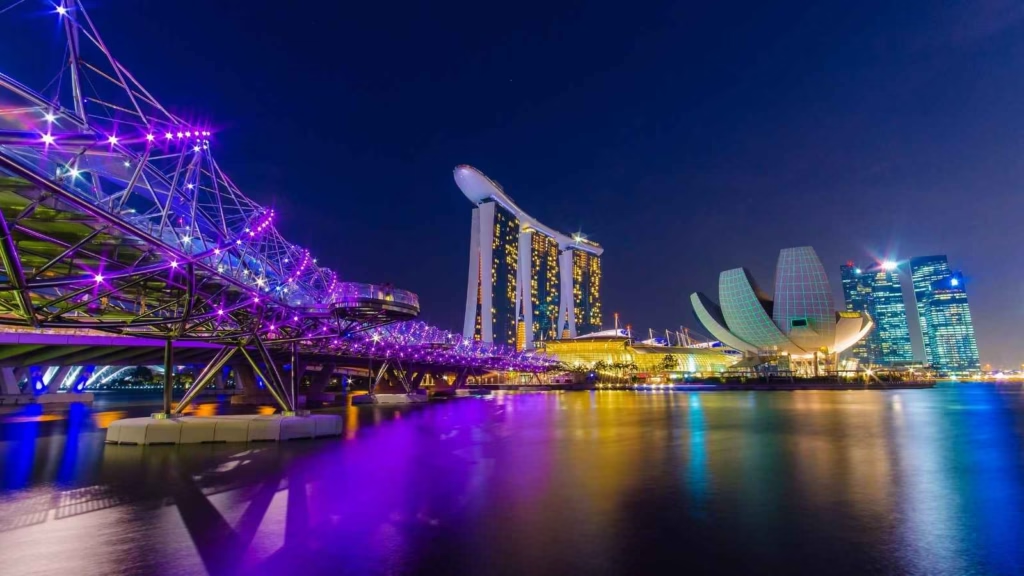
For many travellers, the city works as the perfect introduction to Asia. English is an official language, the infrastructure is world-class, and the city is known for its order and sense of security. At the same time, Singapore is far from sterile or dull – on the contrary, the city is full of life, contrasts and a constant buzz that makes it a fascinating destination.
The city can be experienced both as a destination in its own right and as a stopover on longer journeys through Asia. Whether you are drawn by big-city experiences, gastronomy, culture, architecture, or simply want a comfortable stay of high quality, Singapore delivers at a level few other cities can match.
📄Quick overview
- Best time to visit: All year round (tropical climate)
- Languages: English, Chinese (Mandarin), Malay, Tamil
- Currency: Singapore dollar (SGD)
- Transport: Efficient metro (MRT), buses and taxis
- Price level: High (cheap food – expensive accommodation)
- Ideal for: City breaks, gastronomy, culture, stopovers
Top areas: Marina Bay • Chinatown • Little India • Kampong Glam • Orchard Road • Sentosa
💡Traveltalk Tip
Plan your days by neighbourhood – Singapore is compact, but packed with experiences.
Insider Tip
Eat where the locals eat: hawker centres such as Maxwell, Lau Pa Sat and Tiong Bahru Food Centre.
Hidden gems
- Tiong Bahru
- Southern Ridges Walk
- Joo Chiat & Katong
Price example: Hawker meal: approx. DKK 30–60.
Cocktail at a rooftop bar: approx. DKK 120–180.
🌎 Other media from Leisure Media Group
- traveltalk.travel – international travel site, focusing on independent travellers
- winetalk.dk – Danish-language wine magazine with very comprehensive coverage of wine and food
- worldsporttalk.com – top-level sport from around the world only: football, golf, tennis, Formula 1 and more
Why travel to Singapore?
Singapore is an obvious choice for travellers who want an Asian metropolis with high comfort, efficient transport and clear frameworks. It is a place where everything works – from public transport and the airport to hotels, restaurants and sights.
The city is known for its ability to combine tradition and innovation. Historic temples, colonial buildings and traditional neighbourhoods exist side by side with skyscrapers, futuristic gardens and pioneering urban development projects. This balance makes Singapore a destination that feels both modern and culturally grounded.
Singapore is Asia’s green city
Gastronomy of the very highest world class
Singapore is one of the world’s leading food cities. The city’s famous hawker centres serve authentic dishes from Chinese, Malay and Indian cuisine – often at very low prices and of high quality. At the same time, Singapore has an impressive number of Michelin-starred restaurants, which makes the city unique in combining street food and fine dining at the same level.
Cool restaurants & high-class hang-outs in Singapore
Chinese food from Beijing to Shanghai
Architecture, design and urban development
From Marina Bay Sands and Gardens by the Bay to innovative housing estates and futuristic metro stations, Singapore serves as a living laboratory for modern urban development. The city is known for thinking long-term, sustainably and with vision.
Changi Airport named world’s best for the 12th time
Cultural diversity
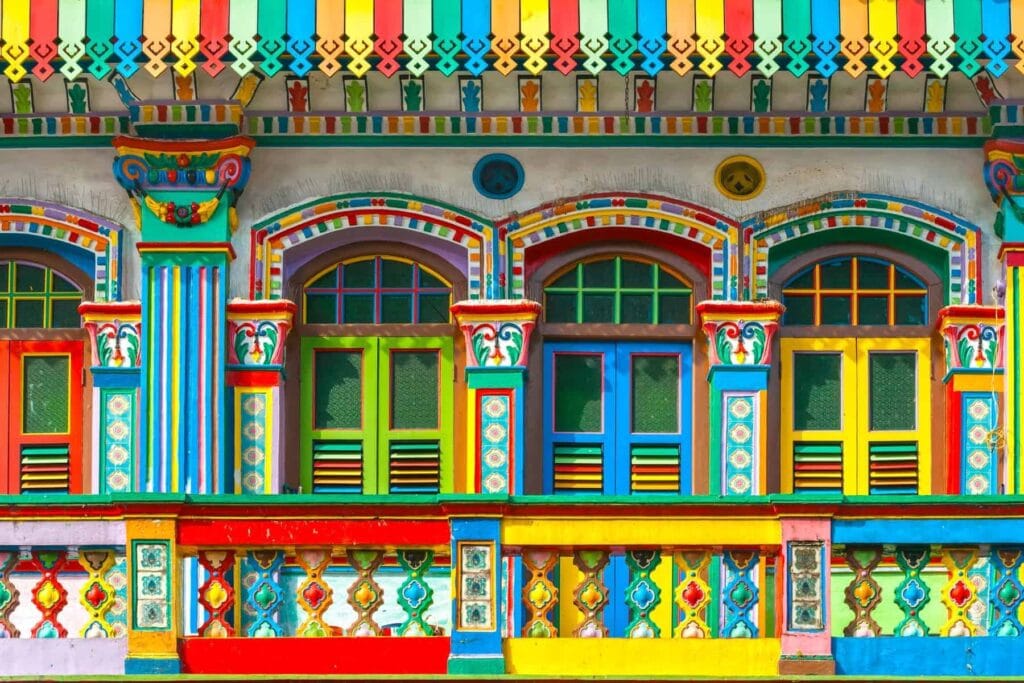
Singapore is a cultural melting pot. Chinese, Malay, Indian and Western traditions live side by side and shape the city’s neighbourhoods, festivals, temples and everyday life.
Little India | Chinese New Year: traditions and origins
Singapore’s history and identity
The city was called Temasek long before it became Singapore
Singapore was the name of a trading post long before it became a nation. A Chinese account from the 3rd century refers to the island as Pu-lou-chung, “the island at the end of the peninsula”, and when the first proper settlements emerged around 1298, the place was known as Temasek – the sea town.
The name Singapore itself comes from a legend. Prince Sang Nila Utama of Palembang, the capital of the Srivijaya kingdom, landed on the island and caught sight of an animal he had never seen before: a lion. He founded a town on the spot and called it Singapura – from the Sanskrit simha, lion, and pura, city. The lion city lived off its position on the Strait of Malacca, where the shipping between India and China had to pass. It is the same geography that sustains the city today.
Raffles drew up a plan in 1822, and the neighbourhoods are still there
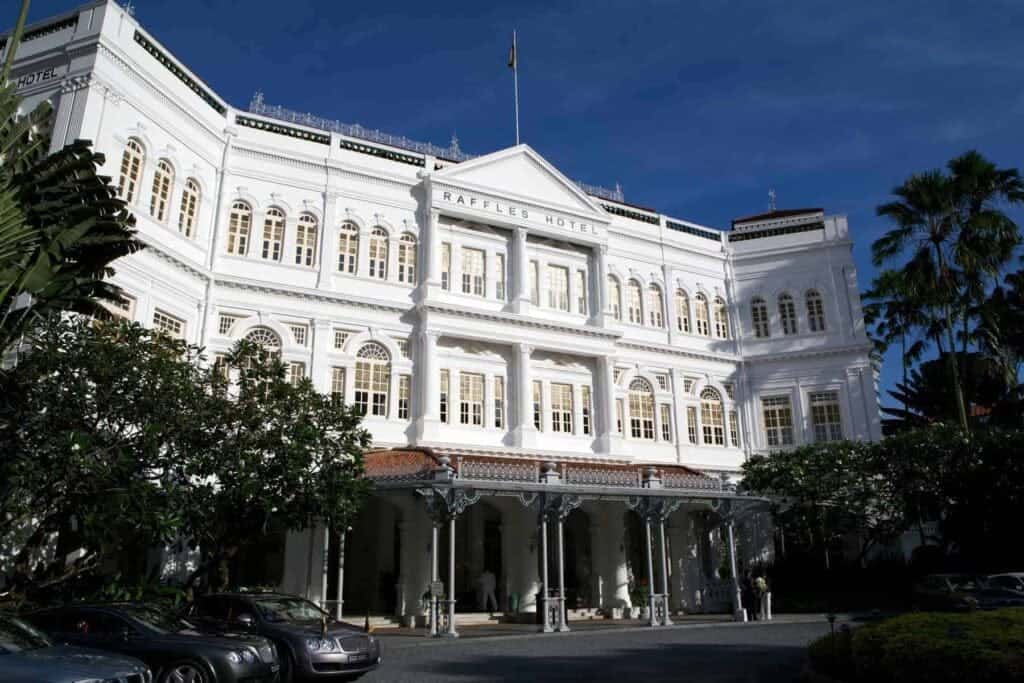
The modern city begins on 29 January 1819, when Sir Thomas Stamford Raffles went ashore. At the time he was the British lieutenant-governor of Bencoolen on Sumatra, today Bengkulu. The British Empire was looking for a port of call in the region – partly for its traders, partly to curb Dutch influence – and Raffles immediately saw what the place could become. A treaty made Singapore a British trading station, and the city grew at a pace that drew migrants, especially from China and India. The name lives on in the city’s most famous hotel, Raffles.

In 1822 Raffles brought order to the city with the Raffles Town Plan, which laid out separate quarters for the population groups: a European quarter, a Chinese one south-east of the Singapore River, an Indian one at Chulia Kampong and Kampong Glam for the city’s Malay and Arab residents. The division is colonial history – and it is also the reason Chinatown, Little India and Kampong Glam still sit where they do, and they remain the neighbourhoods you explore on foot. In 1924 the causeway to Johor Bahru was officially opened, and the island was physically connected to the mainland.
From poor port town to one of the world’s richest states
Singapore’s modern identity is closely tied to its history as a trading hub. The city was founded as a British trading station in 1819 and quickly developed into one of the region’s most important ports. After independence in 1965, Singapore faced enormous challenges, but has since undergone a remarkable transformation.
In just a few decades, this impressive city-state has gone from a poor country without natural resources to one of the world’s richest and most well-organised states. This history still shapes the city’s mindset, where efficiency, order and shared responsibility are valued highly.
For travellers, this background offers a deeper understanding of why Singapore works the way it does – and why rules, structure and planning play such a central role in the city’s everyday life.
How to experience Singapore at its best
This small but incredibly advanced state – from business to green transition – is best experienced by combining structure with curiosity. The city’s metro system (MRT) makes it easy to move between neighbourhoods, and many sights are within a short distance of one another.
A stay of 3–5 days is ideal for most travellers. It gives you time to see the city’s iconic areas such as Marina Bay, dive into the food culture and explore the cultural neighbourhoods. Travellers with more time can immerse themselves in the city’s green spaces, museums and local districts.
Although Singapore is known for its order, travellers who venture away from the most touristy areas are rewarded. Local hawker centres, residential estates and smaller parks paint a more nuanced picture of the city.
Michelin-starred street food for under 20 kr.?
Accommodation
Where you stay matters more in Singapore than in many other big cities, because the neighbourhoods have very different characters. The city is compact, so almost everything is within reasonable reach of the metro, but the evening atmosphere and noise levels change markedly from one area to the next.
Marina Bay and Downtown Core are the most central and modern areas, with the large hotels and quick access to everything. It is an obvious choice if you want everything close at hand, but this is also where prices are highest. Orchard Road is close to shopping and has a wide choice of hotels across several price brackets. Chinatown and Tiong Bahru suit those who want to be near local life, with old shophouses, cafés and good food nearby. Kampong Glam and Little India offer a more atmospheric base with a distinctive character, and here you will often find more affordable guesthouses and boutique hotels.

For families and travellers with a larger budget, the big hotels in the centre can be a good solution, while younger travellers and backpackers often find the best value in smaller hostels and guesthouses in the historic districts. Hotel standards vary considerably, so it is wise to read reviews for the specific conditions before you book.
Daily life and the rhythm of the city
Daily life is marked by structure, efficiency and a high quality of life. The city is extremely clean, safe and well organised, which creates a reassuring atmosphere for visitors. At the same time the pace is fast, especially in the business districts.
Locals spend a great deal of time on food, shopping and social activities. Hawker centres serve as natural meeting places, and this is where you truly feel the city’s pulse.
For travellers, the contrast between the busy urban life and the quiet green areas can be surprising – and this very balance is one of its greatest strengths.
Green experiences and nature
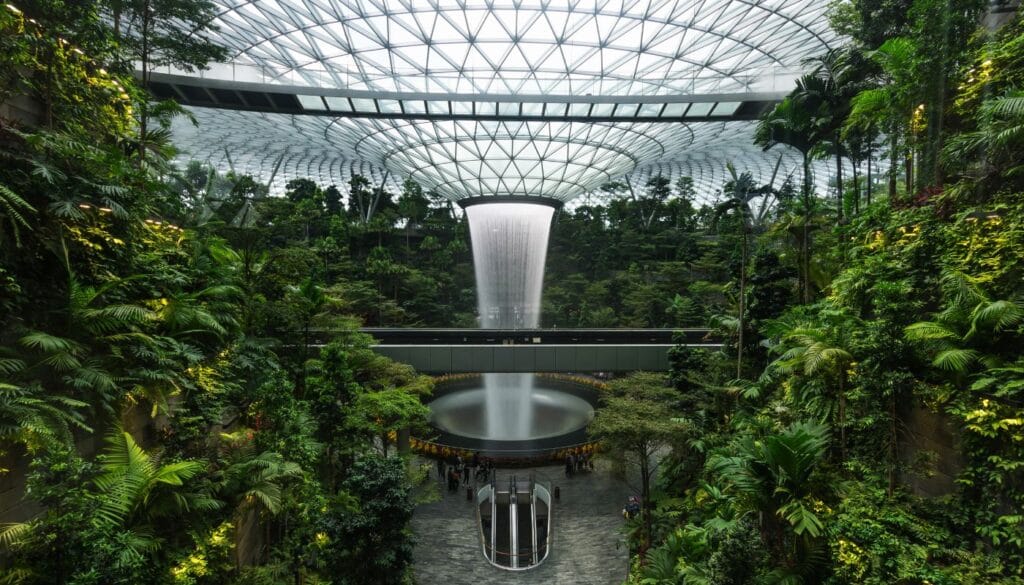
Despite its reputation as a city of concrete, it is one of the world’s greenest cities. Parks, nature reserves and green corridors are woven into the fabric of the city.
Singapore Botanic Gardens, MacRitchie Treetop Walk and Southern Ridges offer surprising natural experiences in the middle of the metropolis. Even Gardens by the Bay is an example of how technology and nature can be combined.
This makes it particularly appealing to travellers who want city experiences without giving up green surroundings.
Singapore as a stopover and regional base
Singapore is one of the world’s most popular stopover destinations. Changi Airport has repeatedly been named the world’s best airport and makes arrivals and departures exceptionally smooth.
Many travellers combine it with Malaysia, Indonesia or Thailand. The city’s strategic location makes it ideal as a base for onward travel in Southeast Asia.
As a stopover it offers maximum experience in minimal time, while as a destination in its own right the city offers depth and variety.
Changi Airport
Who is Singapore best suited to?
It suits travellers in particular who want a safe, well-organised city experience in Asia.
First-time travellers will find it easy, safe and straightforward.
Food enthusiasts gain access to one of the world’s most varied and affordable cuisines.
City breakers will find architecture, shopping and culture of the highest class.
Travellers seeking a beach holiday or wild nature should combine it with other destinations in the region.
Practical information
Transport
Public transport is efficient, inexpensive and easy to use.
Rules and culture
There are strict rules on litter, smoking and public behaviour. The rules are consistently enforced and contribute to the city’s high levels of safety and cleanliness.
Climate
Tropical climate year-round with high humidity and brief, heavy downpours.
Ready for Singapore?
It is an obvious choice for those who want a city break in Asia with high comfort, cultural depth and world-class experiences.
More about Singapore
- Singapore’s bars are among the very best in Asia
- Sentosa, the Rumour is true
- Raffles Hotel
- Travel bubbles, see the latest developments: Singapore, Palau, Taiwan, Australia
- Changi Airport secured a top ranking at the World Airport Awards 2023
- Singapore Airlines invests in new, ultra-long routes to the USA
Frequently asked questions about travelling to Singapore
When is the best time to travel to Singapore?
Singapore can be visited year-round. The climate is tropical with high humidity and brief downpours.
Arrival and transport
There is no direct flight from Denmark to Singapore. The journey usually goes via a hub in Europe or the Middle East, and the total travel time is typically around half a day once connections are included. It is worth checking the journey time before you book, as long layovers can stretch it considerably.
Singapore Changi Airport lies in the eastern part of the island and is connected to the city centre by the MRT metro. It is the cheapest and most straightforward way into town, and it works well for most people with luggage. Taxis are also an option, but they can be more expensive, especially if you travel during rush hour, and extra charges may apply for journeys from the airport. Take the current prices and times into account when you book your stay, as they can vary.
Please note that Singapore requires you to complete a digital arrival card, the SG Arrival Card, before arrival. It is completed online and is free of charge. It is a small detail, but forgetting it can lead to a longer queue at passport control.
Is Singapore a good destination for first-time visitors to Asia?
Yes. English is widely spoken, the infrastructure is top class, and the city is very safe and easy to navigate.
Is Singapore expensive to travel in?
Accommodation and alcohol are expensive, but food can be very cheap, especially at hawker centres.
How many days should you spend in Singapore?
3–5 days is ideal for most travellers. As a stopover, 2–3 days can also work well.
Are there strict rules in Singapore?
Yes, there are clear rules on litter, smoking and public behaviour, which are consistently enforced.
More articles about Singapore
Changi Airport in Singapore
Michelin star for street food in Singapore
Singapore is Asia’s green city
Practical travel information
🛂 Visas and entry
- Visa: Danes can enter without a visa for short stays.
- SG Arrival Card: everyone must complete the free SGAC no later than 3 days before arrival, via the SGAC e-Service or the MyICA app — the health declaration is included in it.
- Passport: valid for at least 6 months.
💰 Currency and money
- Currency: Singapore dollars (SGD).
- Cards and mobile payments are accepted almost everywhere; carry some cash for hawker centres and markets.
- Tipping: not a set custom — a service charge has often already been added to the bill.
🚗 Transport, time and health
- Flight time from Denmark: around 12–13 hours.
- Getting around: the city’s MRT metro is cheap, efficient and covers most of what you need.
- Best time to visit: a year-round destination (tropical and humid); February–April is slightly drier.
- Time zone: 7 hours ahead of Danish winter time.
- Languages: English is an official language alongside Malay, Mandarin and Tamil.
- Health: no compulsory vaccinations; tap water is safe to drink.
- Safety: one of the safest and cleanest places in the world — but be aware of the strict laws and heavy fines (for example for chewing gum and littering).
Best time to visit
Singapore lies close to the equator, and temperatures barely change throughout the year. You can typically expect around 30 degrees during the day and humidity that can feel heavy, particularly in the early afternoon. It is not a season you choose by the weather, but by the rainfall.
It rains all year round, but it is rarely the long, grey rain we know from home. In many places it arrives as heavy downpours with thunderstorms, often late in the afternoon or in the evening, and half an hour later it is dry again. The monsoon periods from November to January bring the most rainy days and the heaviest rainfall, while the period from February to April is generally a little drier. June and July are also relatively dry.
If you want to plan around this, it is a good idea to have an umbrella or a light rain jacket in your bag whatever the month, and to schedule longer outdoor outings for the morning. In the afternoon, hawker centres, museums and the large shopping centres can be a sensible alternative until the rain has passed.
Costs
Singapore is an expensive place to stay, and you notice it as soon as you look at hotel prices. Accommodation is clearly the biggest expense for most travellers. A simple room in a hostel or guesthouse is usually a world away from a hotel in Marina Bay, and the difference in price can be considerable. It is worth comparing prices for the same dates, as they can fluctuate sharply, especially in peak season and during major events.
Transport, on the other hand, is surprisingly cheap. A metro ticket costs a couple of dollars, and with a contactless card or a phone with payment functionality it is easy to pay for each journey. Buses are also inexpensive, but the metro is the most straightforward option for tourists. Taxis are more expensive, and the fare rises during rush hour and for trips to and from the airport.
Entry to most museums and sights is moderate compared with hotels, but some attractions, particularly the major experiences on Sentosa and in Gardens by the Bay, can be quite pricey. Hawker centres are in themselves a cheap alternative to restaurants, and a meal can cost a fraction of what you would pay in an ordinary restaurant. Alcohol is expensive, both in shops and in bars, so many people factor this in when planning their budget. Check current prices at each place before you count on them.
Safety and health
Singapore is one of the safest big-city areas in Asia, and general crime is low. That does not mean you should let your guard down. Pickpocketing and petty theft can occur in the crowds on the metro, at markets and at major attractions, so keep bags closed and your phone out of reach when you are standing at a stall or a bar.
The most important thing to know is that Singapore enforces its rules strictly. There are heavy fines for littering, smoking where it is not permitted, and for bringing in certain goods, including chewing gum, which may only be bought on prescription for specific purposes. Drugs are subject to very harsh penalties, and this applies even to small quantities. Do not take the risk, and respect the signs that hang everywhere.
From a health point of view there are no major challenges. Tap water is safe to drink, and the city has a well-developed healthcare system with good hospitals. It is wise to have travel insurance that covers doctor visits and hospital stays, as treatment at private hospitals can be costly. Keep an eye on the heat and humidity, drink plenty of fluids, and protect yourself from the sun, especially in the middle of the day. Carry any medication you need in your hand luggage, and check in advance whether it is permitted in Singapore.