
From the traveltalk.dk family – started in Denmark in 2018
Read in: Dansk (original)
Bhutan, the small forward-thinking country in Asia
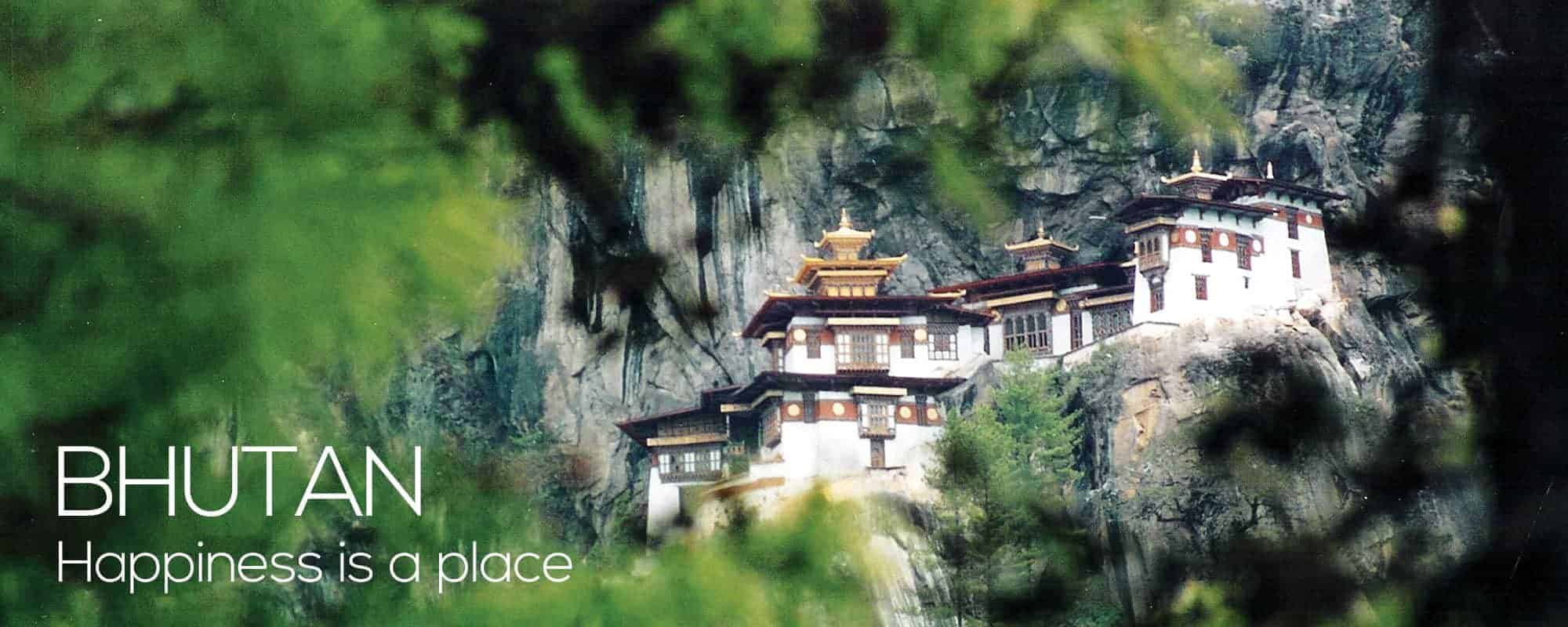
Bhutan has historically been very isolated, yet remarkably forward-thinking when it comes to protecting its land. No plastic and no smoking, and few tourists. In fact, it was not until 1974 that the first 287 tourists were granted access to the country. Since then, strict rules have governed tourism, and travelling to the country still requires planning. As a tourist you must travel on a prepaid tour arranged by one of the country’s roughly 75 travel agents, so it is not possible to visit the country on a completely spontaneous whim.
An almost untouched country
In return, you gain a rare insight into an almost untouched country when you visit this remarkable and nearly unknown mountain kingdom. In South Asia, Bhutan ranks first for economic freedom, the number of small business owners, and not least peace, and it has been the least corrupt country in the region since 2016. It remains a “least developed country”, but is expected to shed that status by 2023. Hydropower accounts for most of the country’s exports.
The government is a parliamentary democracy. The head of state is the King of Bhutan, known as the “Dragon King”. Bhutan maintains diplomatic relations with 52 countries and the European Union, but has no formal ties with the five permanent members of the United Nations Security Council.
It is a member of the United Nations, SAARC, BIMSTEC and the Non-Aligned Movement. The Royal Bhutan Army maintains a close relationship with the Indian armed forces.
Travelling in Bhutan
You can, for example, expect to travel to Bhutan in 2021 with Stjernegaard. Stjernegaard are something of pioneers and experts in travel to Bhutan.
Stjernegaard writes, among other things (abridged)
“What you see is what you get. In Bhutan you encounter a wholly undiluted culture, which gives you a thoroughly authentic experience of the country.
Travelling in Bhutan can be challenging and at times physically hard, but the country’s conditions and possibilities also give you a very clear sense of where you are. It is liberating, inspiring and quite adventurous, and perhaps the closest you will come to being an explorer.
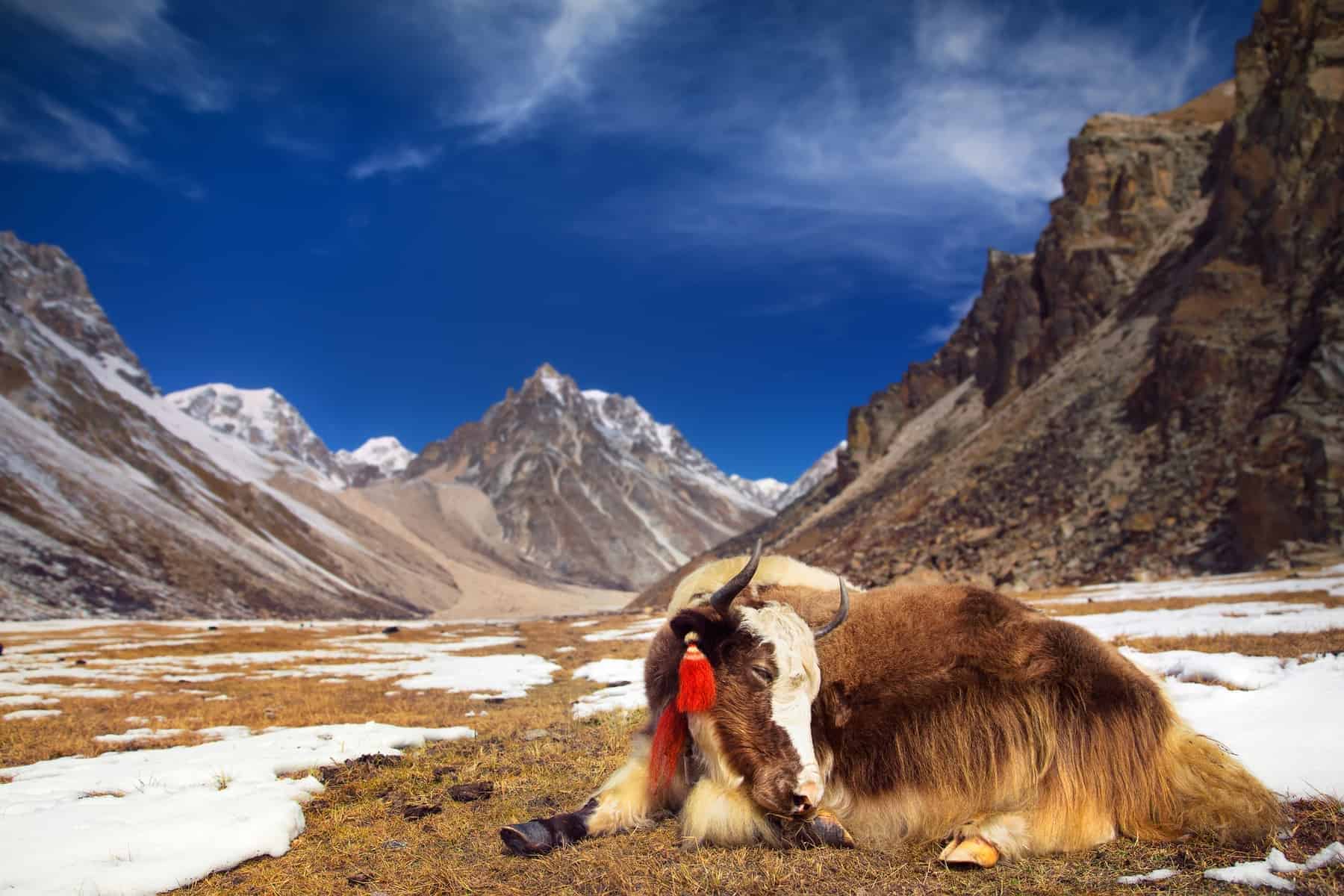
– When you travel here, you find yourself in the thinner air at 1,200 to 7,000 metres above sea level, so you are in a constant state of mild exhaustion. There are no motorways here, the journey over a mountain pass can take eight hours on a gravel road, and travelling through wild nature and villages can be both extraordinary and hard. Bhutan is not always an easy country to travel in, but the reward is great.”
See also: Himalaya, the roof of the world threatened by climate change
Visas and entry rules
Bhutan is one of the countries with strict rules for visitors. You need a visa, and it is not issued directly to the individual traveller. Instead, it is arranged through an approved travel agent, who also takes care of booking accommodation, transport and a guide. The trip must therefore be prepaid before you reach the border or the airport.
There is a daily sustainable development fee, which every visitor pays for each day in the country. The fee goes towards development, education and health, and it makes up the largest part of the total price of the trip. The amount can change, so it should be checked with the travel agent at the time of booking.
Travel insurance is also required, covering medical treatment and evacuation in the mountains. As many trips go to high altitudes and remote areas, it is a good idea to read the policy terms carefully and make sure they cover high altitude and transport from remote locations.
How to get there
Most people fly into Bhutan. Paro Airport is the country’s only international airport, and it lies in a narrow valley surrounded by high mountains. It requires specially trained pilots, and the flight is spectacular as you come in over the Himalayan peaks. The national carriers, Druk Air and Bhutan Airlines, operate most departures, and there are few routes, so it is advantageous to book well in advance.
You can also enter via India. The most common route crosses the land border at Phuentsholing in the south, which lies a couple of hours’ drive from the Indian city of Siliguri. From there, the journey continues by car over the mountains to Thimphu. The road is winding and narrow, and the trip takes a long time, but it gives a good insight into the landscape along the way.
Whichever route you choose, entry must be made together with an approved travel agent and a guide, so it is the practical side that should be planned first.
When is the best time to travel
Bhutan has a temperate climate, which varies most with altitude. In the deep valleys of the south it is hot and humid in summer, while the high mountain regions to the north lie under snow for much of the winter.
Spring and autumn are the best times to visit the country. The sky is usually clear, the mountains can be seen, and the roads are easier to travel than during the monsoon period, when rain can make the gravel roads impassable. In winter the lower valleys are pleasant, but the higher passes may be closed by snow.
Many travellers come to the country to experience the tshechus, the annual monastery festivals with masked dances and large thangkas unfurled for the public. The Paro Tshechu is held in spring in the Paro Valley, and the timing is set according to the Bhutanese calendar, so it is a good idea to have it confirmed when planning your trip.
More articles about Bhutan
Rules and etiquette in Bhutan
Bhutan is a Buddhist country, and religion shapes everyday life more than many visitors expect. Clothing matters, and it is expected that you dress respectfully, especially when visiting monasteries, temples and the large festivals. Long trousers and shirts with sleeves are a safe choice, and you should remove your shoes where that is required. It is wise to ask your guide what applies at each particular site.
Photography is not permitted everywhere. Inside monasteries and temple halls it is often forbidden to take pictures, and in some places you may not photograph people without permission either. Always ask before photographing someone, and respect it if the answer is no. At religious sites, walk clockwise around sacred objects and stupas, and do not point at shrines with your finger.
There are laws covering, among other things, smoking and the import of certain goods, and the rules are strict, so it is worth familiarising yourself with them before you travel. Show respect towards locals, and take care on the roads and at altitude, where the weather can change quickly. Follow your guide’s instructions, particularly in remote regions, and let your guide know if you wish to deviate from the itinerary.
What it costs
The cost of a trip to Bhutan is higher than in most neighbouring countries, and this is primarily due to the system of the daily sustainable development fee. It covers part of the cost of accommodation, food and transport, so the total price per day is not simply the sum of the individual expenses.
A package tour usually includes a visa, accommodation in hotels or guesthouses, all transport within the country with a driver, a guide and the meals agreed in the itinerary. Flights to Paro and travel insurance are normally not included, nor are drinks outside mealtimes, tips and any extra excursions.
It is worth obtaining an itemised price from your travel agent, so it is clear what is included in the amount and what must be paid on top.
Altitude, health and preparation
Many trips in Bhutan climb to great heights, and this is felt quickly, even by those in good shape. Altitude sickness can strike regardless of age or fitness. Typical signs are headache, nausea, dizziness and fatigue. It helps to gain height gradually, to drink plenty of water and to avoid alcohol in the first few days. If symptoms worsen, stop ascending and seek medical advice, and never try to get through it by continuing upwards.
Which vaccinations are recommended depends on your individual situation and on which countries you are travelling from and to. It is wise to speak to your own doctor or a travel health clinic well in advance of departure, so you can be offered what suits your journey. The same applies to medication: bring any you take daily, and get a medical assessment of whether you should carry something for altitude sickness.
Drinking water should be treated or bought bottled, and you should be careful with ice and cut fruit if you are unsure of the source. The food is generally good, but it can be heavily spiced. Seek medical attention if fever, prolonged diarrhoea or signs of altitude sickness that do not improve when you descend occur. Also make sure your travel insurance covers medical treatment and evacuation from high altitudes.
Visa, documents and preparation
A visa for Bhutan is not applied for by the individual traveller on their own. The application is part of the travel package purchased from an approved travel agent, and it must be paid for before entry can take place. This means there is no possibility of arriving without prior arrangement and then sorting out the paperwork on the spot.
You need a passport that is valid for the period you are travelling, and it should have a reasonable validity remaining beyond your return home. The agent will typically ask for a copy of your passport details and the other personal information needed for the application, so it is a good idea to have these ready before the booking is completed.
The time from application to an approved visa depends on the agent and on when you book. It is therefore wise to ask directly how long processing takes in your particular case, and to factor this into your planning. With the travel agent, you should also clarify which payments must be completed, which confirmations you will receive, and who will meet you at the airport or border. When these things are in place before departure, entry usually proceeds without problems.
Getting around the country
Within Bhutan you almost always travel by car with a driver. This is the only practical choice for most visitors, because the current entry rules require following an agreed route with an approved guide, and because the road network is not suited to self-driving for unfamiliar travellers. The driver knows the roads, and this makes a difference when switching between asphalt, gravel and long stretches in the mountains.
Distances on the map look small, but time in the car is often long. The journey between the larger towns can take several hours, and a mountain pass alone can take most of a day when the road is narrow and winding. There are no motorways in the country, and speeds are low almost the whole way. You should therefore plan your days with plenty of time and avoid scheduling too many stops into the same day.
The roads are winding, and in many places there is only room for one car at a time. Expect stops for farm machinery, animals and pedestrians, and for it to become foggy or rainy on the high stretches. It is a good idea to eat lightly before long journeys and to keep warm clothing in the car, as it can be cold when you climb in altitude.
What to expect to pay
The daily sustainable development fee is the largest single item in the price, and it is fixed for each day you spend in the country. It covers part of the costs that would otherwise fall on travellers themselves. This means a trip to Bhutan is more expensive per day than in most neighbouring countries, although the local cost of living can seem reasonable when you look at the prices of food and drink in the villages.
How much the final amount comes to depends on the length of the trip, the level of hotel and how many people are travelling together. An overall price estimate should therefore be obtained from the travel agent before booking, and it should be clear whether flights, insurance, drinks outside mealtimes and tips are included. The amount of the fee can change, so it should be checked at the time of booking.
It is a good idea to set aside a modest sum for extra experiences, souvenirs and small expenses along the way. Cash is useful in the smaller towns, where card payments do not always work. Ask your agent which currencies are practical and where you can exchange money, so there are no surprises during your trip.
Accommodation and food
The range of accommodation stretches from large hotels in Thimphu and Paro to smaller guesthouses in the villages. In the capital there are several high-standard international hotels, while the smaller towns often have only simple, family-run houses with warm but modest rooms. Many of the best experiences, however, are found in the local guesthouses, where you sit down with your hosts over dinner.
Bhutanese cuisine is spicy and relies heavily on chilli. The national dish, ema datshi, is a stew of chilli and cheese, often with vegetables, and it is served at almost every meal. The dish is hotter than most people expect, so it is worth asking how spicy it is before ordering. Rice is the basis of most meals, and red rice and vegetable dishes are often served alongside.
Tea is also an important part of everyday life. Salted butter tea made with yak milk is a traditional drink, which many visitors only grow accustomed to after a few days.
More about Bhutan
Nearby
Laos
Laos is one of South-East Asia's most distinctive destinations. It is the only country in the…
Bangladesh
Bangladesh is a country in South Asia. Before 1971 it was known as East Pakistan. Its…
Pakistan
Pakistan is a country in South Asia. Its neighbours are Iran, Afghanistan, China and India. The…


