
The Middle East — where continents meet
Ancient trade routes and gleaming new cities, deserts and souks at the crossroads of the world.
Explore The Middle East

Travel in the Middle East: Ancient Civilizations, Deserts and Modern Cities
The Middle East is one of the most historically fascinating regions in the world. Stretching from the Mediterranean Sea to the Arabian Peninsula and the Persian Gulf, the region is known for its ancient civilizations, cultural traditions, dramatic desert landscapes, and rapidly growing modern cities.
For thousands of years the Middle East has played a central role in global history. Many of the earliest cities, trade routes, and writing systems developed here, and three of the world’s major religions originated in the region. Today, travelers visit the Middle East to explore historic sites, experience vibrant cultures, and discover landscapes that range from vast deserts to beautiful coastlines. :contentReference[oaicite:0]{index=0}
Historic Civilizations and Cultural Heritage
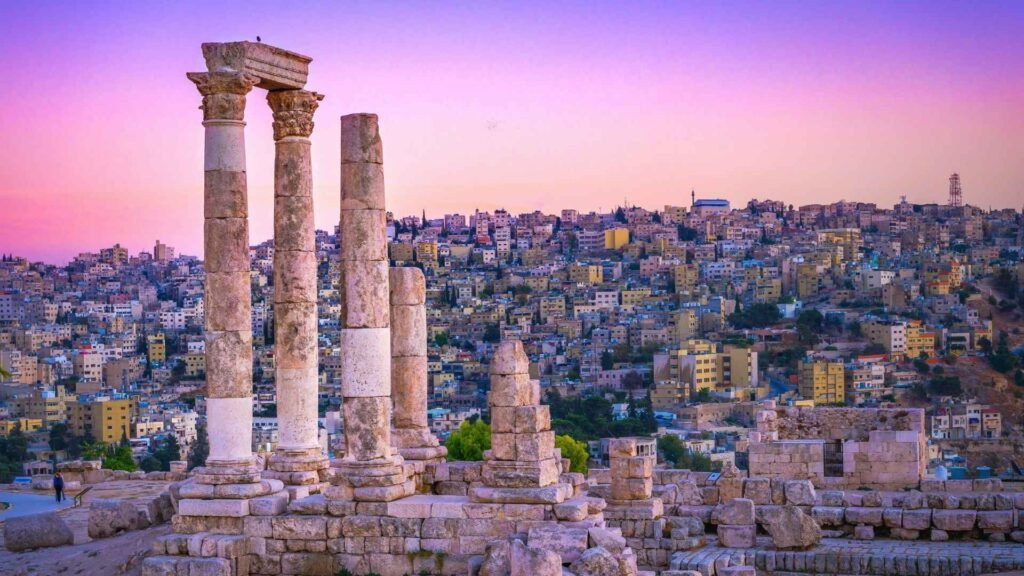
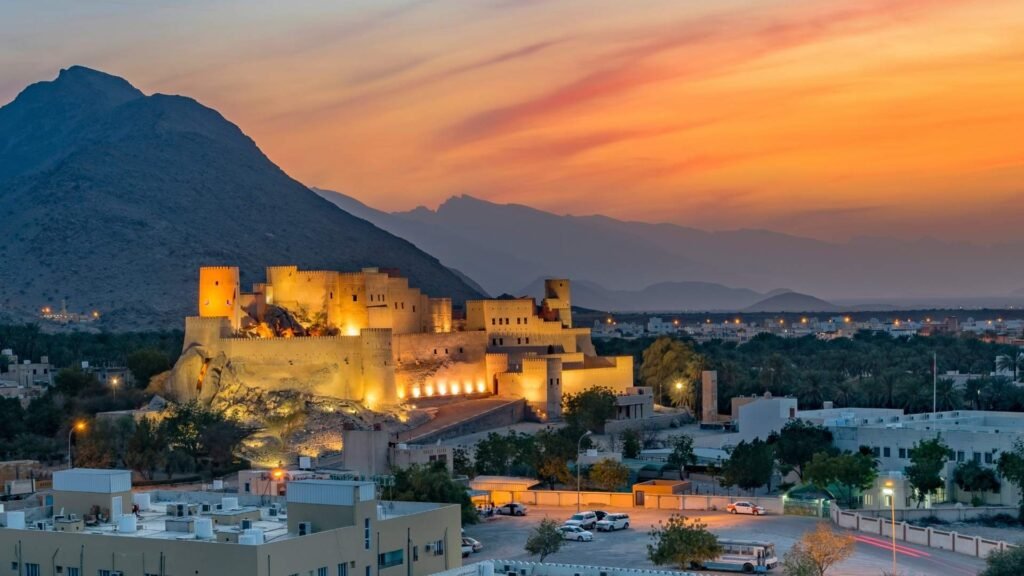
The Middle East is often described as a cradle of civilization. Across the region, travelers can find archaeological sites, ancient cities, and historic monuments that date back thousands of years. From the ruins of Petra in Jordan to the temples and tombs of Egypt, these landmarks offer insight into some of the world’s earliest cultures and empires.
Historic markets known as souks, traditional architecture, and religious landmarks continue to play an important role in everyday life. Exploring these historic areas allows visitors to experience the rich cultural heritage that defines many Middle Eastern destinations.
Diverse Landscapes and Natural Wonders
While the Middle East is often associated with deserts, the region actually contains a wide variety of landscapes. Travelers can explore towering sand dunes, rugged mountains, dramatic coastlines, and fertile valleys.
Natural highlights include the vast deserts of the Arabian Peninsula, the dramatic cliffs and fjords of northern Oman, and the unique landscapes surrounding the Dead Sea. These environments offer opportunities for adventure travel, desert safaris, hiking, and cultural exploration.
Modern Cities and Innovation
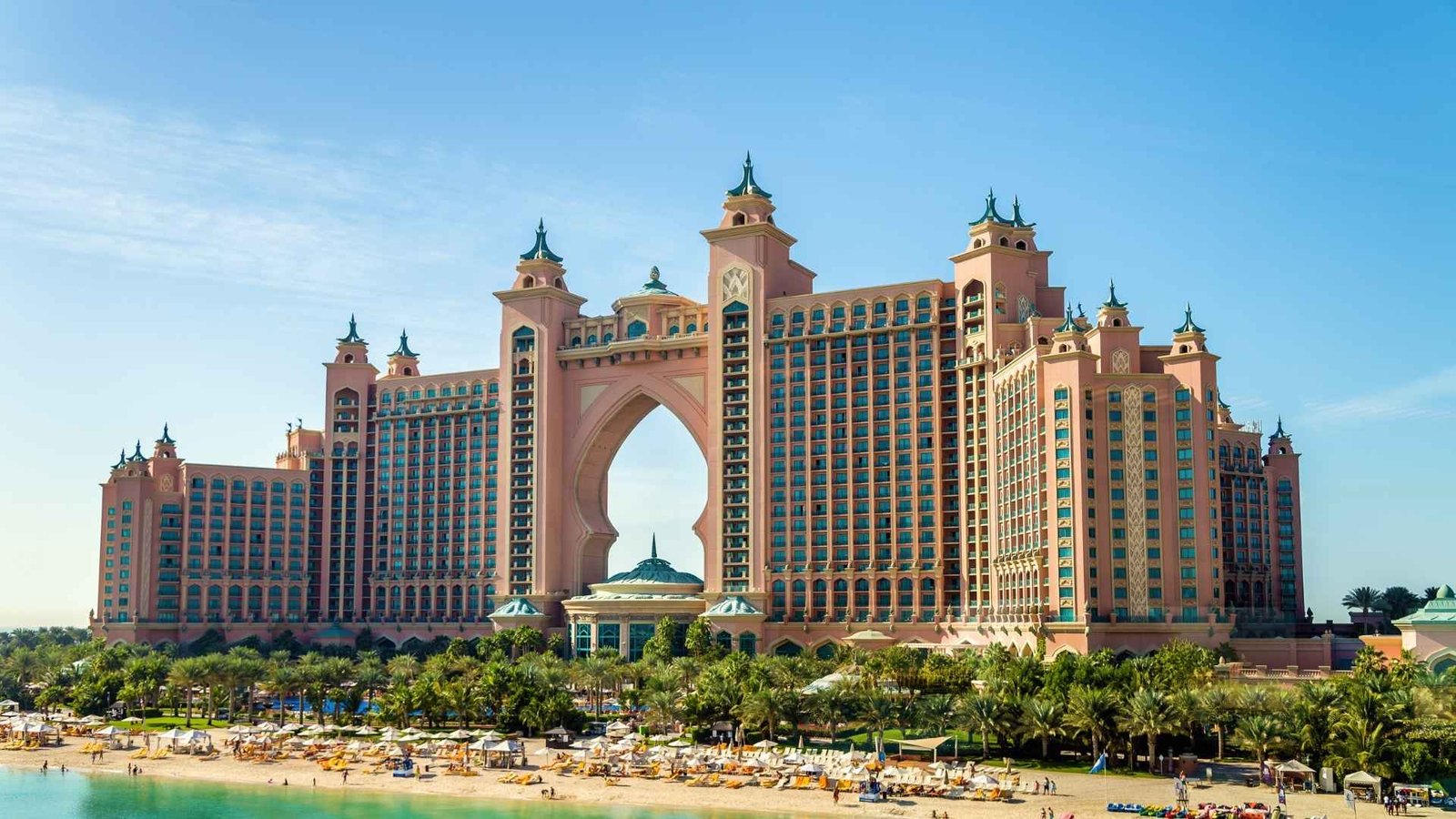
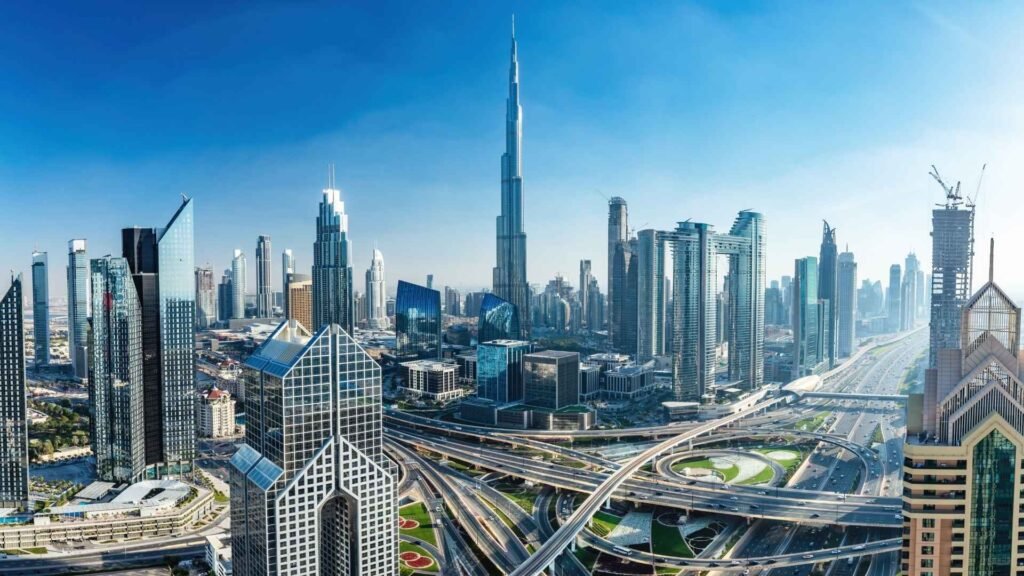
Alongside its ancient history, the Middle East is also home to some of the world’s most modern cities. Destinations such as Dubai, Abu Dhabi, Doha, and Riyadh have become global travel hubs known for impressive architecture, luxury hotels, and innovative attractions.
These cities combine traditional culture with cutting-edge infrastructure, creating travel experiences that blend heritage with modern design and technology. The region has also invested heavily in tourism and hospitality, making it increasingly accessible to international travelers. :contentReference[oaicite:1]{index=1}
Cuisine and Hospitality
Food is an important part of Middle Eastern culture and travel experiences. Traditional cuisine often includes dishes such as grilled meats, fresh breads, rice dishes, and flavorful spices. Popular meals such as hummus, falafel, kebabs, and mezze platters are widely enjoyed across the region.
Hospitality is also deeply rooted in Middle Eastern culture. Visitors frequently encounter welcoming traditions that emphasize generosity and sharing meals with family and guests.
Travel Experiences Across the Region
Today the Middle East offers a wide range of travel experiences. Cultural travelers explore historic cities and archaeological sites, adventure travelers venture into deserts and mountains, and luxury travelers enjoy world-class resorts and modern cities.
Because the region includes many different countries and cultures, each destination offers its own unique identity and travel experience.
Exploring the Middle East
From ancient ruins and desert landscapes to futuristic skylines and cultural traditions, the Middle East offers a remarkable blend of history and modern life. Travelers who explore the region often discover destinations that are both deeply historic and rapidly evolving.
For those interested in culture, architecture, history, and unique landscapes, it remains one of the most intriguing regions to explore.