
From the traveltalk.dk family – started in Denmark in 2018
Read in: Dansk (original) · Deutsch
South Africa – the African powerhouse
South Africa has become the great African country that perhaps more than anywhere else on the continent has been embraced by visitors as a paradise for safari, wine and golf. It is a country on the rise, and a role model for the African continent.
The journey is long, but worth every mile.
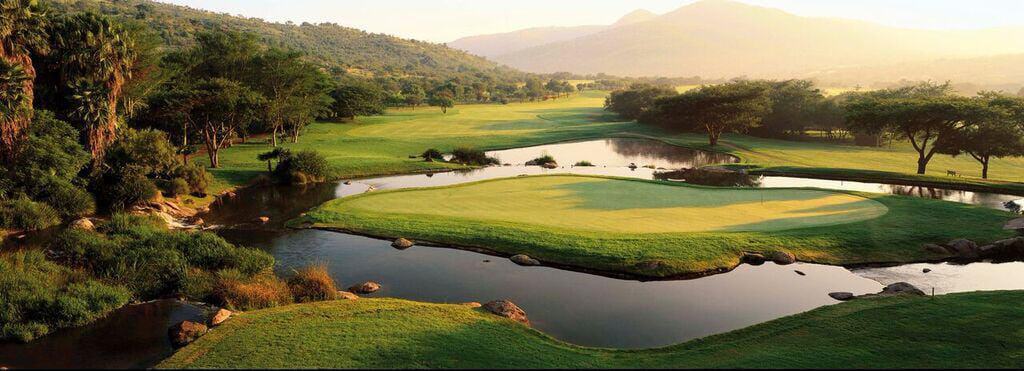
South Africa has the continent’s largest economy
The country has Africa’s strongest economy and an infrastructure that is second to none. It appeals to the comfortable traveller, whether king or queen of the road, who can safely and comfortably get within a whisker of some of the world’s most spectacular safari animals, extravagant wines or inviting golf courses.
It is many years now since the first democratic election was held. The nation’s first freely elected president was the then 75-year-old Nelson Mandela. That was in 1994.
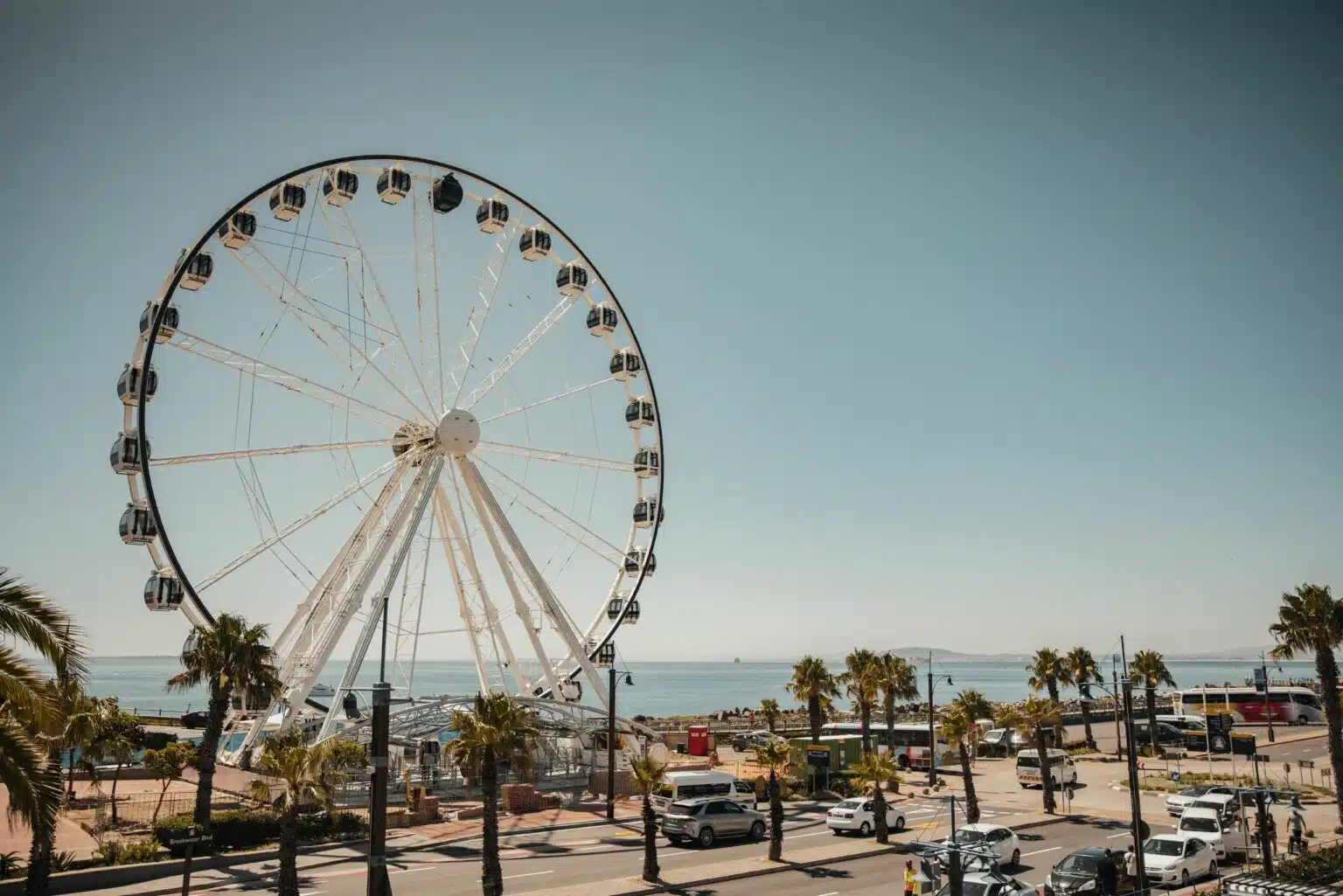
When is the best time to travel
South Africa lies in the southern hemisphere, so its seasons are the reverse of those in Europe. Summer falls in December, January and February, and winter in June, July and August. This means that the European summer holiday season is peak season for most of the country, and that you can enjoy both warmth and fairly good conditions by travelling in September and October, when spring is just getting under way.
The climate varies more than most people expect. Cape Town and the West Coast have mild, wet winters, while the eastern interior and the safari areas in the north are dry in winter. The dry season is precisely the best time for safari, as the vegetation is sparse and the animals gather around waterholes. In summer it often rains heavily in the afternoon in north-eastern South Africa, and green grasslands make it harder to spot the animals.
Kruger National Park is open all year round, but temperatures can become very high in the hottest months, and it is a good idea to plan the day’s activities early in the morning and late in the afternoon. Golfers can play most courses around Cape Town and the Garden Route almost year-round, but the best conditions are in autumn and early spring.
A little African geography lesson
Let us quickly sketch out South Africa’s geography. As the crow flies, it is roughly 9,758 km from Copenhagen to South Africa. The country lies at the southernmost tip of the African continent, with high mountains running towards the Indian Ocean and the Atlantic. It borders Namibia, Botswana, Mozambique, Zimbabwe, Lesotho and Eswatini. Africa’s southernmost point, Cape Agulhas, is in fact located in the country.
See the map below.
The country is also far more than relaxed tourist luxury. But Kruger National Park tops the list. Climb into a Jeep or Land Rover with an experienced, armed guide, and the adventure begins within minutes.
Every wine lover nods with respect when South Africa is mentioned, whether for red or white wines, from respectable everyday bottles to the sublime finest vintages. Say Stellenbosch and you will probably think of South Africa. We will also be writing about wine trips to the country in the south.
Good to know
Capital: Pretoria
Currency: South African rand
Population: 55 million
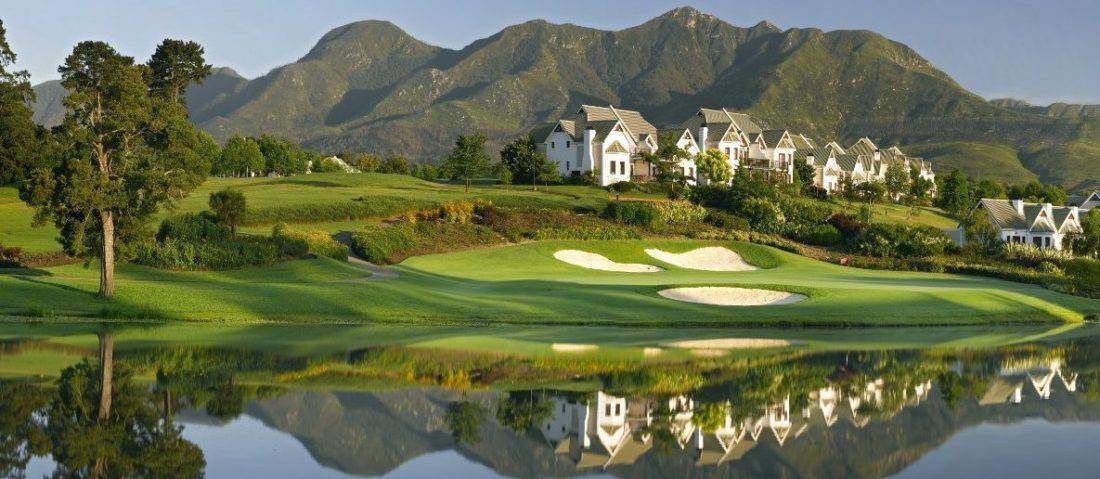
Golf in South Africa
- Top golf trips in South Africa
- More golf experiences in South Africa
African travel adventures await
- An introduction to Africa as a continent
- The best safari trips from Kenya to Botswana
- Golf trips in South Africa
- Morocco, with the Atlantic on its doorstep
- Zanzibar, East Africa’s finest sandy beaches
- Angola, Kissama National Park, a genuine safari tour
- Ngorongoro safari in a giant extinct volcano
More articles about South Africa
Please be aware
South Africa has high levels of crime, and it is important to take this seriously wherever you travel. The greatest risk is in the big cities, especially in certain districts of Johannesburg and Cape Town, where robbery, burglary and carjacking occur. It is a good idea to avoid walking around alone at night, to keep an eye on your belongings, and to take a taxi or ask your hotel for help rather than walking long distances in unfamiliar areas.
Outside the tourist areas, conditions can be more challenging. Do not drive on country roads in the dark if you do not know the route, and keep your car doors locked and windows up at traffic stops. Many lodges and private reserves have their own guards and security procedures, and it is worth asking what applies on site before moving around.
On safari it is important to follow your guide’s instructions to the letter. Do not leave the vehicle outside the agreed areas, and respect the animals at a distance. In the wild, as elsewhere, anything that looks dangerous probably is.
It is wise to take out travel insurance that covers theft and medical treatment, and to keep copies of your passport and important documents stored separately. It is also worth getting an overview of the best way to pay by card abroad.
What does it cost
Prices in South Africa vary considerably, and figures change with the exchange rate and season, so it is wise to check current prices before departure. The main thing to bear in mind is that the country is cheaper than most of Europe for many things, but that safari and golf in the best areas are an investment.
A flight to South Africa from Europe is typically the biggest single expense, and the price can vary considerably by date and airline. For a night at a simple guesthouse near the national park you pay a fraction of what a luxury lodge costs, where the rate is often per person and includes meals and safari activities. That can run to several thousand kroner per night, and it is not unusual for the total per-person cost of a safari day to exceed the accommodation alone.
Golf is generally one of the more affordable experiences relative to its quality, especially on courses in the Garden Route area, although green fees and caddie costs vary. Eating out is cheap compared with Denmark, and the same goes for wine, which can be bought at low prices directly from the wine estates. Payment is made in South African rand, and it is a good idea to have a card that does not charge unnecessary currency exchange fees.
Where to stay
Accommodation options in South Africa range widely, and this is the biggest difference between safari in South Africa and many other places in Africa. At the simpler end you will find guesthouses, bed and breakfasts and campsites near the national parks, which are often clean and well equipped. Here you sleep in smaller rooms but still have access to nature and shared dinners.
In the mid-range are the private safari lodges and tented camps in the large reserves near Kruger National Park and along the border with Mozambique. Walks, open-vehicle drives and evening campfires are often included, and the staff are often trained guides. This is the kind of place where you can hear lions and hyenas at night close to your tent or cabin.
At the top end are luxurious lodges with private pools, large bathrooms and chefs who cook using local produce. Many are located in private reserves, where there are fewer guests per safari vehicle. However, it is worth noting that the best spots often get booked early, especially in peak season and at weekends.
In cities such as Cape Town and Johannesburg the choice of hotels is large, and the same goes for golf resorts in the Garden Route and in the wine regions.
Getting there and getting around
Most trips to South Africa begin with a direct or one-stop flight to Johannesburg or Cape Town. Johannesburg is the country’s largest airport and the central hub, and from there you can fly on to the smaller airports in the Kruger area, Port Elizabeth and George, which is close to the golf courses on the Garden Route. Cape Town is an obvious starting point if you want to begin with wine and city life.
This is where it gets practical. Distances in South Africa are large, and it takes a long time to drive between regions. Many therefore choose to fly internally between cities and hire a car at the destination. A rental car gives great freedom, particularly on the Garden Route and in wine country, but be aware that many country roads are narrow and that there may be lorries, sheep and cattle on the road, especially after dark.
For safari, the most common approach is to drive yourself to a private reserve or to arrange transport with the lodge, which collects guests at the airport. Within the national parks you normally may only drive on designated roads, and you should expect activities to be planned around daylight. Always check the details of your own car hire, as insurance and driving rules can vary.
More about South Africa
Nearby
Cape Verde
Travelling to Cape Verde suits you if you want sun, sand and a relaxed African atmosphere…
The Seychelles
The Seychelles are a fairly small group of islands off the coast of Africa in the…
Uganda
Uganda is Africa's great adventure. Read about white-water rafting and bungee jumping. Few people can tick…


