
From the traveltalk.dk family – started in Denmark in 2018
Read in: Dansk (original)
Uganda and its wild adventures. White-water rafting on the Nile?
Uganda is Africa’s great adventure. Read about white-water rafting and bungee jumping. Few people can tick off that kind of adventure trip.
Also read about Safari in Uganda in the Queen Elizabeth reserve.
Uganda is a landlocked country in East Central Africa. To the southeast it borders Lake Victoria, to the east Kenya, and to the north South Sudan. To the west it borders the Democratic Republic of the Congo and Rwanda, and finally Tanzania lies to the south. Its neighbours are not among the richest countries in the world.
The climate is tropical, but not as hot as that of lower-lying areas. The country is extremely lush, and crops can be harvested up to seven times a year.
The country is not free of internal conflict, and flooding can occur, as the vast majority of roads are unpaved and easily eroded during heavy rainfall.
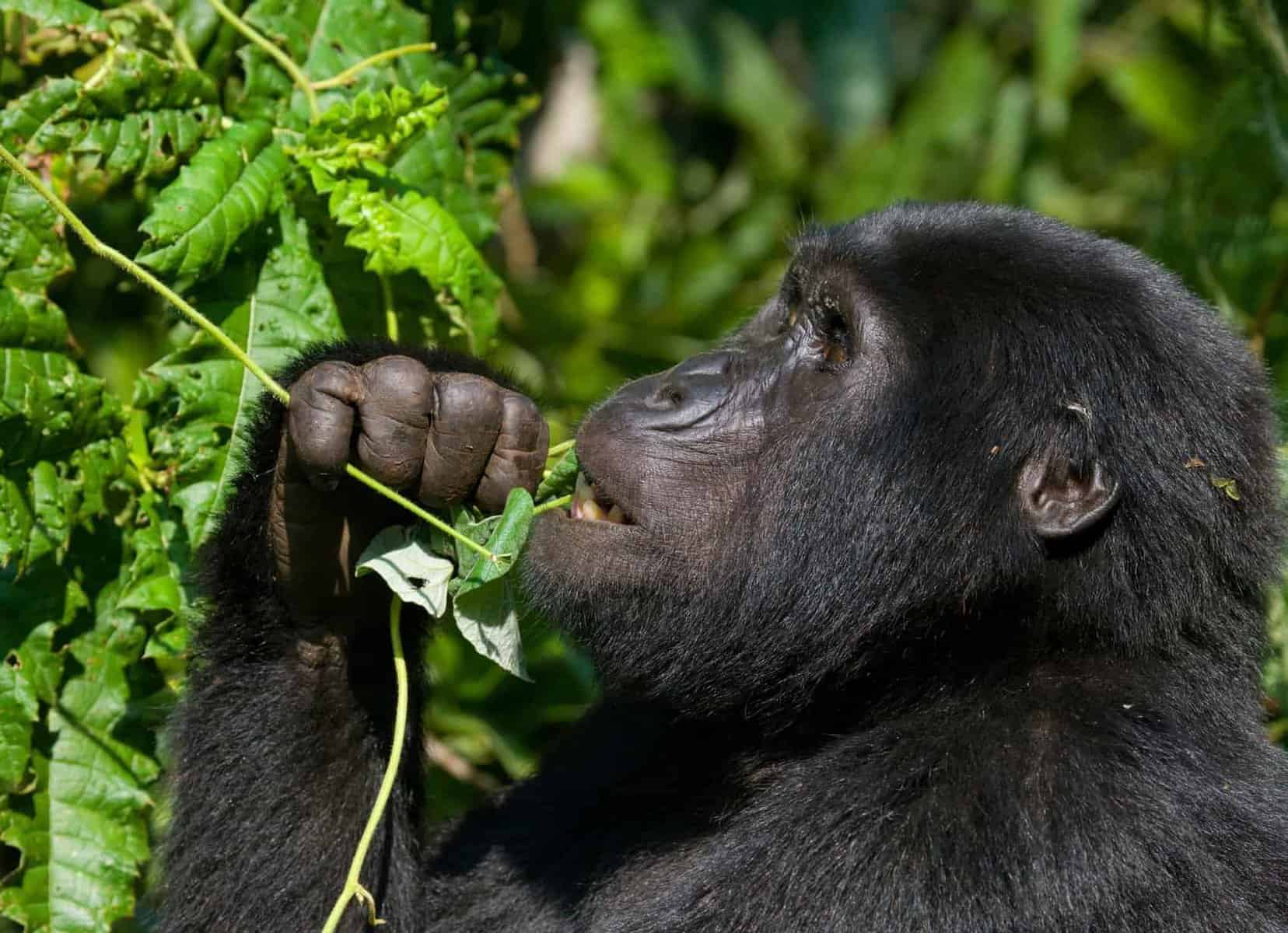
Keep up to date with sources such as the Danish Ministry of Foreign Affairs and your travel insurance provider. With all that said, a potentially great travel experience awaits. We have all seen the magnificent mountain gorillas in the country. They alone are worth the journey.
Safety and practical advice
The country is not free of unrest, and this applies particularly to the northern and border regions. The Danish Ministry of Foreign Affairs’ travel advice is the place to follow developments, and it should be read just before departure. Keep an eye on the recommendations for the areas you plan to visit, and follow them. A travel insurance provider can also explain what your cover includes in Uganda specifically.
Malaria is a real risk in large parts of the country, including in Entebbe and Kampala. A mosquito net, insect repellent containing DEET and long clothing in the evening are the usual precautions, and a doctor should assess whether preventive medication is advisable. Do not drink water from the tap; it is wise to stick to bottled or boiled water.
The official language is English, and that is what most travellers get by with. Swahili and several local languages are also spoken, and a few polite words in the local language are well received. The currency is the Ugandan shilling. Credit cards are accepted in larger places, but cash is essential in the countryside, so bring small notes.
Denmark’s representation in Uganda is handled through the embassy of a neighbouring country, and contact details can be found on the Danish Ministry of Foreign Affairs’ website. Note down emergency numbers and keep copies of your passport and insurance, so you can get help quickly if something goes wrong.
Accommodation and costs
The range of accommodation is wide. In the budget category you will find simple guesthouses and campsites, where you bring your own tent or hire one. Out in the parks there are lodges in several price brackets, from simple huts to more comfortable lodges with a higher standard and their own catering. The expensive lodges are often closest to the wildlife, and that comes at a price.
The exact daily budget depends on how you travel, and I cannot give concrete figures without risking providing incorrect information. In general, it is the major items that drive the budget: transport with a driver, park entrance fees, accommodation and, above all, gorilla trekking, which is the most expensive single activity.
Gorilla trekking requires a fixed permit per person and booking well in advance, because the number of permits per day is limited. Prices change, so they should be checked with the official sources before you plan. The same applies to entrance fees for the national parks.
It is wise to set aside a buffer for unforeseen expenses, for example extra accommodation if the weather delays your trip, or tips for your driver and guide. Most lodges and tour operators expect you to give them.
Getting around Uganda
The local bus is the cheapest way to travel, and it gives a good impression of everyday life in the country. However, the buses run to their own timetables, they are often crowded, and the routes are not always easy for foreigners to work out. For most people it is an experience better suited to shorter stretches than to a safari.
Taxis are available in the towns, and boda bodas, motorcycle taxis, are widespread. They are fast and cheap, but safety is poor, and most travellers should avoid them, especially after dark and on poor roads.
The most common solution for a safari is to hire a car with a driver. The driver knows the roads, can cope with mud and potholes, and knows where to look for the wildlife. It is more expensive than driving yourself, but in practice it is the most sensible option, as self-driving on unpaved roads over long distances requires experience.
Distances are large, and a stretch that looks short on the map can take several hours. Plan for few stops and long days, and do not pack too many visits into the same trip. Rainy weather makes everything slower, and it is often the biggest challenge in planning the trip.
Getting there
Most travellers land at Entebbe, on Lake Victoria, which is the country’s international airport. It is close to the capital, Kampala, and from there most people continue on to the parks. Flight routes to Entebbe vary, and it is wise to check the current connections, as they change. Many travellers fly via Europe or the major African hubs.
Most Danish travellers need a visa. It can usually be arranged on arrival, but the rules can change, so it is important to check them with the Danish Ministry of Foreign Affairs before departure. Your passport must be valid for a certain period beyond your return journey, and this is a common mistake to overlook.
Vaccinations should be clarified with your own doctor or a travel health clinic well in advance. Yellow fever is a matter that often requires documentation, especially if you travel on from other countries in the region. Malaria prophylaxis should be discussed on an individual basis.
From Entebbe you reach the main destinations by car or plane. The road to Kampala takes its time in traffic, and the longer journeys west to Bwindi and Queen Elizabeth follow roads that vary greatly in condition. Many choose to fly domestically to the most remote parks, because the road journey can be long and tiring.
When is the best time to travel to Uganda?
Uganda has two rainy seasons, and they do not entirely follow the pattern known from the rest of East Africa. The long rains typically fall from around March to May, while the short rains come in the autumn. In between these periods it is drier, and that is the time most people choose for a safari, because the bushes are lower and the animals easier to spot at the waterholes.
It is worth knowing that rain in Uganda rarely means it rains all day. More often it comes as heavy showers in the afternoon and evening. But on gravel roads even a brief downpour can make driving difficult, and some of the smaller tracks in the parks become temporarily impassable. That is the inconvenient part you need to plan around.
The gorillas in Bwindi and Mgahinga live in dense forest, so they do not move with the seasons in the same way as the animals on the savannah. Trekking takes place year-round, but during the dry months the trails are less muddy, which makes the climb less demanding. If you travel in the rainy season, expect mud, slippery ground and more time in the forest.
Overall, the dry periods are the most obvious choice for both wildlife and getting around without becoming stuck in mud. The season also determines how many people are at the sites, so you should not assume that a low season is always the cheapest or the quietest.
Travel with Danish travel agencies
BENNS
Jesper Hannibal
Kipling Travel
Blixen Tours
Destinations in Africa
- Angola
- Botswana
- Cap Verde
- Egypt
- Ethiopia
- Kenya
- Madagascar
- Morocco
- Mauritius
- Namibia
- Seychelles
- South Africa
- Tanzania
- Tunisia
- Uganda
- Zambia
More articles about Uganda
More about Uganda
Nearby
The Seychelles
The Seychelles are a fairly small group of islands off the coast of Africa in the…
Ghana
Ghana is a country in West Africa. The capital of this large African nation is Accra.…
Tunisia
Tunisia is the ideal place to visit for a holiday or a leisure break and enjoy…


