
From the traveltalk.dk family – started in Denmark in 2018
Read in: Dansk (original)
Argentina
Modern Argentina begins in 1810 with the May Revolution. Having been under Spanish colonial rule since the 1500s, Argentina established the Primera Junta (the First Junta), the first local government in Buenos Aires, which is still the country’s capital. An eight-year war of independence followed, until the Argentine Libertadores (liberators) defeated the Spanish forces and the country gained its independence. The sun on the Argentine flag to this day is therefore also the Sol de Mayo (the May Sun).
Getting around
Argentina is so vast that the distances surprise most people. A journey from Buenos Aires to Iguazú or to the mountain regions of Patagonia is not something you do in an afternoon. Here, domestic flights are the most widely used solution for the long distances, and most of the major cities have connections, including in the high season. It can be a good idea to book early, however, as prices and availability can change quickly.
Long-distance coaches are the next option. They are widespread and relatively comfortable, and many have beds or reclining seats on the long journeys. The trips can, on the other hand, take many hours, and a full day on a bus is not unusual if you are travelling south.
Renting a car gives you freedom, especially if you want to drive in the more remote areas of Patagonia. The roads are long and empty, however, petrol stations can be far apart, and you should always keep plenty of fuel in the tank. Check your insurance thoroughly before setting off.
Where to stay
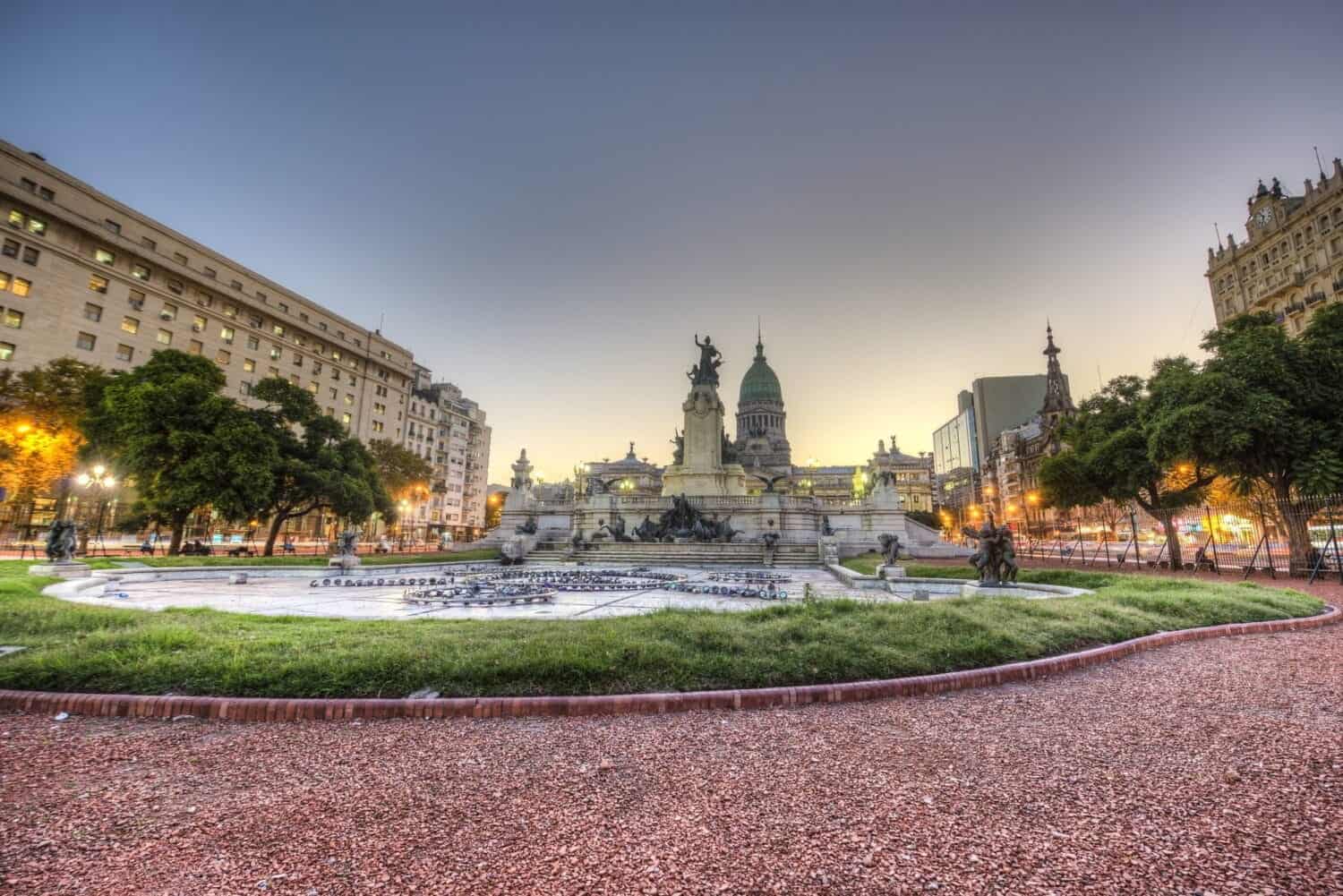
Buenos Aires is the great city of tango, theatres, museums and a vibrant street culture. Palermo and Recoleta are popular with travellers, while San Telmo has the older, more bohemian atmosphere. The city is large and uneven, and it pays to stay in an area you can walk around, especially in the evening.
Mendoza is the wine city at the foot of the Andes. It is a pleasant place to stay in the town itself, and you can head out to the vineyards of the region. It is a calm spot to land after the big city, and the mountains are close at hand.
Iguazú is the place of the waterfalls in the north-east. Most people stay in the village itself or near the national park, so that you can reach the early tours before the large groups arrive. Patagonia, with Bariloche and El Calafate, is a land of nature, and here you often need to plan your overnight stays well in advance, as there are not many options in the small towns.
Argentina is football through and through
But Argentine magic does not stop at geographical coincidences linked to the number seven. For decades the sky-blue Argentine footballing wizards have struck fear into various national teams, with superstar legends such as Diego Maradona and Lionel Messi at the helm. Although Messi has made his name in Europe, the legendary rivalry between the Buenos Aires clubs, Boca Juniors and River Plate, is a must-see for every visiting football fan.
Tango, Argentina’s national sport 2
At the more seductive end of the spectrum, nothing captures Latin American sensuality quite like the tango, Argentina’s world-famous dance. Whether you head to the metropolis and capital Buenos Aires, the old university city of Córdoba or the wine country of Mendoza, you will almost certainly find a chico or chica who can teach you the first few dance steps.
The Andes
For those who believe in the magic of numbers, the country’s varied geography may give rise to some speculation: the Andes stretch over 7,000 km and run through seven countries along South America’s western coast. The highest point, Aconcagua, is 6,961 metres (almost seven km) high and is therefore one of the world’s Seven Summits, the highest peaks on each of the seven continents. And Argentina’s lowest point, Laguna del Carbón, at 105 metres below sea level, is the seventh-lowest point in the world.
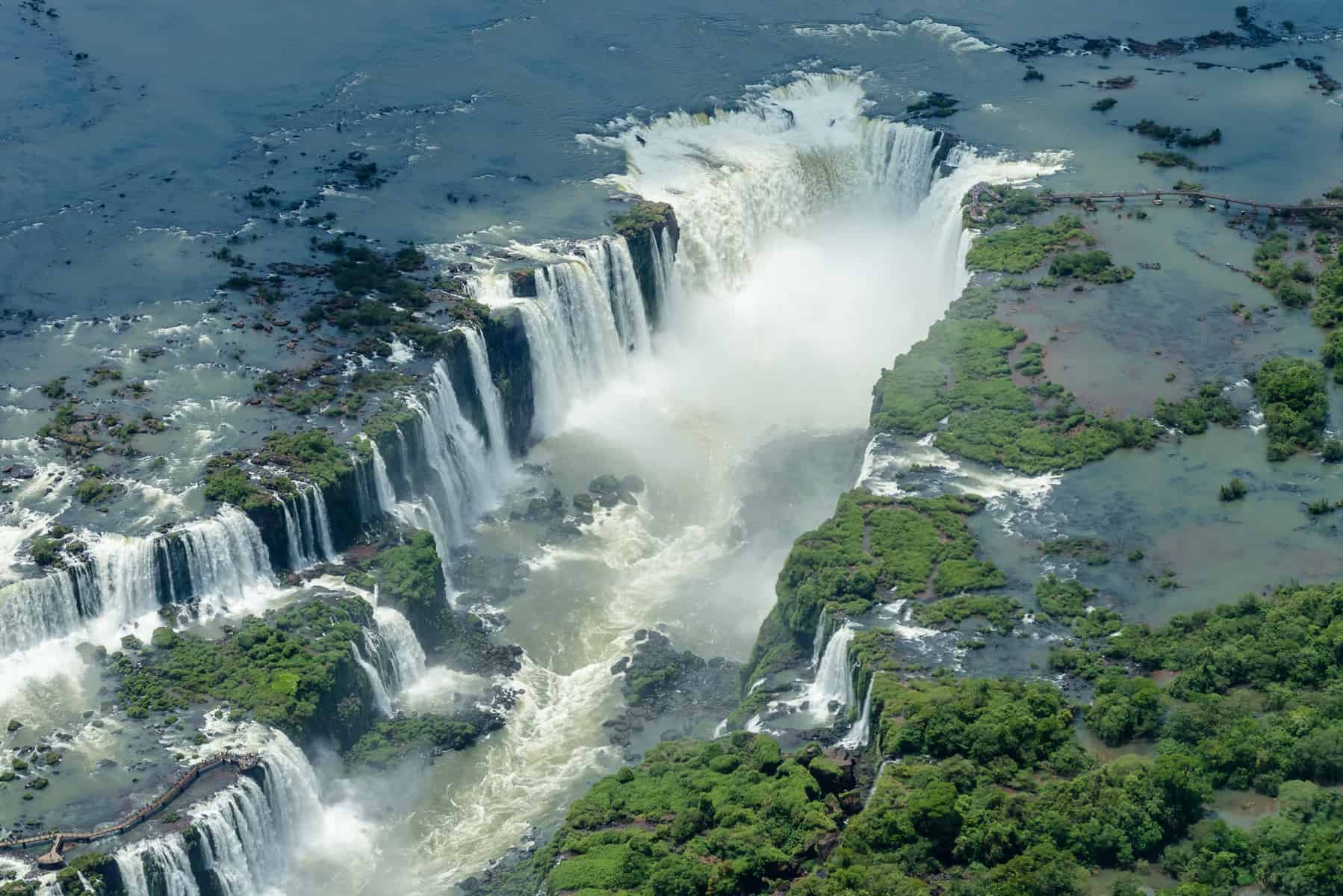
Last but not least there is Garganta del Diablo, the waterfall in Misiones Province on the border between Argentina and Brazil. The spray is reportedly visible from – yes, you have probably guessed it – seven kilometres away. All of these places can be visited, and each in its own way helps make Argentina a splendid representative of South America’s magnificent nature.
The high plateau of the Andes. Get high on nature: Altiplano offers the travel adventure
Visit Buenos Aires in Argentina

Good to know
Weather: Very varied from place to place; subtropical climate and summer from December to February, with an average temperature of around 25 degrees in Buenos Aires during these months
Currency: Argentine peso
Capital: Buenos Aires
Population: 43.42 million (2015)
Language: Spanish
Worth visiting:
Garganta del Diablo (Iguazu Falls)
Plaza de Mayo
MALBA
Casa Rosada
Aconcagua
Worth travelling with:
Airlines:
Iberia
British Airways
Norwegian
Travel agencies:
Hannibal
Kipling Travel
CC Travel
Read more about Argentina
- Iguazu Falls in Argentina and the Garganta del Diablo
- Visit Buenos Aires
- Patagonia, incredible wildlife and landscapes in Chile and Argentina
- Adventure travel in South America and its many countries
Food, drink and prices
Argentine food culture is very much about meat. Asado, slow-grilled steak and sausages over charcoal, is the central meal, and it is often eaten at lunch with the whole family or friends. Empanadas, small pastries filled with meat, are also everywhere, and they make good food to take on the go.
Wine from Mendoza is a must. Malbec is the region’s famous red wine, and it pairs well with asado and meat. Many vineyards can be visited, and a wine tasting is a natural part of a trip to the area.
Prices vary a great deal, and inflation in the country means that price levels change quickly. Food in small local eateries is generally cheaper than in the large restaurants in Buenos Aires. Domestic flights are typically the biggest expense, while accommodation in the cities sits at a mid-range level. Check current prices shortly before your trip.
Travel in the Americas
The Americas: two continents, a whole world
Travel to Argentina with these travel agencies
As a travel agency, you are welcome to get in touch by email?
See a map of Argentina here
Practical travel information for Argentina
🛂 Visas and entry
- Visa: visitors from Denmark can enter without a visa for up to 90 days.
- Passport: must be valid for at least 6 months.
💰 Currency and money
- Currency: Argentine peso (ARS) — high inflation, so prices change quickly.
- Payment: it is worth bringing US dollars and otherwise paying by card; check the current exchange rate.
- Tipping: around 10%.
🚗 Transport, time and health
- Flight time from Denmark: around 15–17 hours with connections.
- Getting around: vast distances — domestic flights between Buenos Aires, Patagonia and Iguazú.
- Best time to travel: spring and autumn; Patagonia November–March.
- Time zone: −4 hours compared with Danish winter time.
- Language: Spanish.
- Health: no compulsory vaccinations; a yellow fever vaccine is recommended for Iguazú. Tap water is drinkable in the cities.
- Safety: beware of pickpockets in Buenos Aires — follow the Danish Ministry of Foreign Affairs’ travel advice.
When should you travel?
Argentina is such a long country that it makes no sense to talk about one kind of weather. North of the rainforest in Misiones and Iguazú it is hot and humid, and the rainy summer season runs from December to February. Buenos Aires also has summer in those months, with temperatures around 25 degrees, and the city can feel heavy with heat and humidity.
Patagonia works on a completely different logic. In winter, June to August, it is cold, windy and dark, and many mountain huts and routes are closed. For that reason, the southern part of the country is the one to think about first when choosing a month. November to March is the period when the roads are open and the days are longest. On the other hand, wind is almost always present in Patagonia, even in summer, and it can turn a long hike into an exercise in patience.
Spring and autumn in Buenos Aires and Mendoza are a good middle way. The weather is mild here, and there are fewer tourists than in peak season. So choose your destination first and the month afterwards.
How to get to Argentina
There are no direct flights from Denmark to Argentina, so the journey always involves at least one connection. The typical route goes via a major European hub and then onwards across the Atlantic to Buenos Aires. In total it takes around 15 to 17 hours, depending on the connections. It is a long day, and many people choose to break the journey overnight to arrive feeling more rested.
Buenos Aires has two airports. Ezeiza is the international one, and it lies a long way from the city centre, so plan your transport there before you land. Aeroparque is close to the city and is mostly used for domestic and regional routes, including to neighbouring countries.
When you land in Argentina, check for yourself which airline and which terminal apply to your onward journey. This can change, and it is easy to get confused when switching between the two airports. Allow plenty of time at Ezeiza if you have a domestic connection departing from Aeroparque.

