
From the traveltalk.dk family – started in Denmark in 2018
Read in: Dansk (original)
Australia is the world’s largest island and a continent in its own right.
Australia consists of mainland Australia, the island of Tasmania and a larger number of smaller islands. It is also the world’s largest island, so large that it is a continent in its own right. Its neighbours are Papua New Guinea, Indonesia and East Timor to the north. A range of Pacific islands lies to the north-east, and New Zealand is its little brother to the south-east. The largest city is Sydney, and the capital is Canberra.
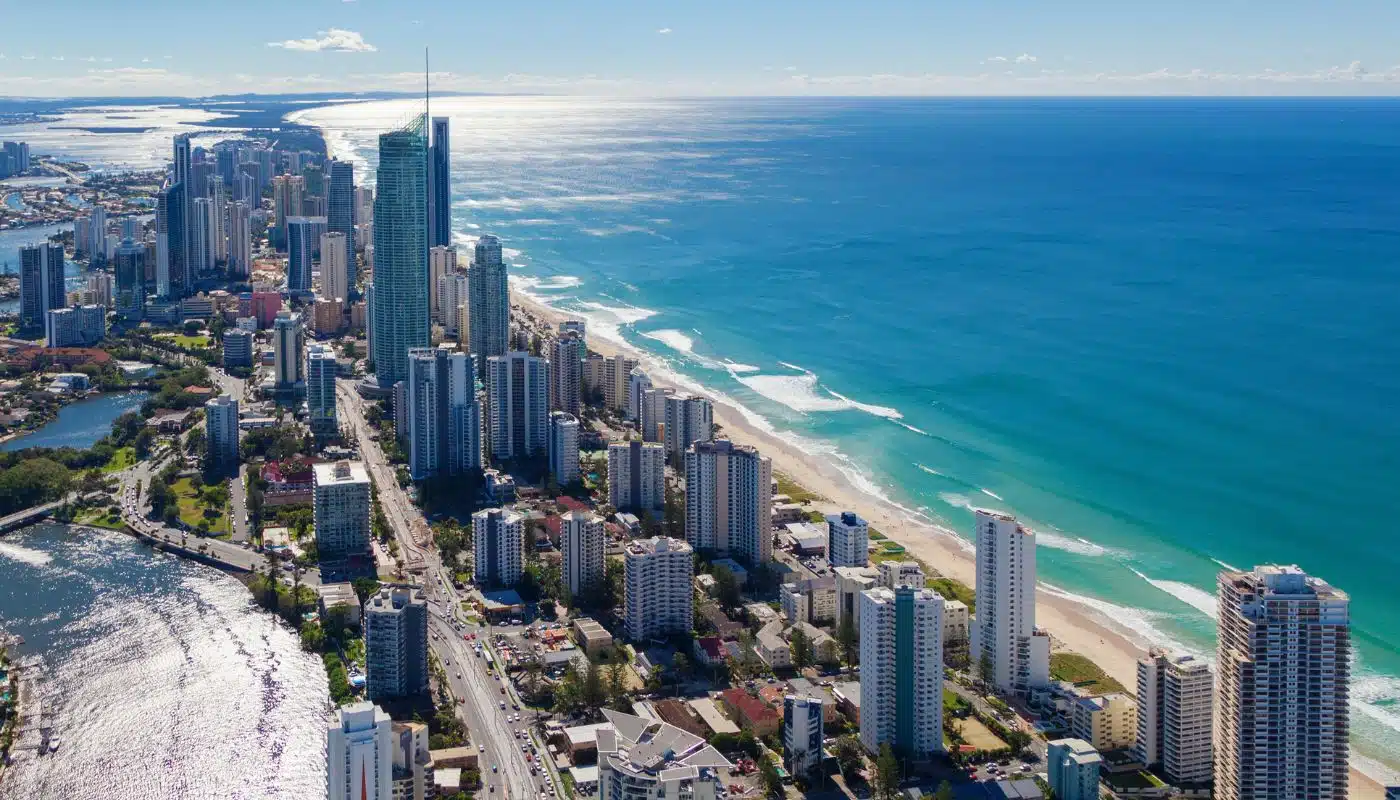
Australia stretches your limits in so many ways
You cannot see an entire continent in 14 days. Australia calls for immersion and careful selection. It is a journey that stays with you long after you have come home. Among the things you should see in Australia is the famous Sydney Opera House, designed by the Danish architect Jørn Utzon after enormous difficulties with the builders. But the vast coral reef Great Barrier Reef is also a must.
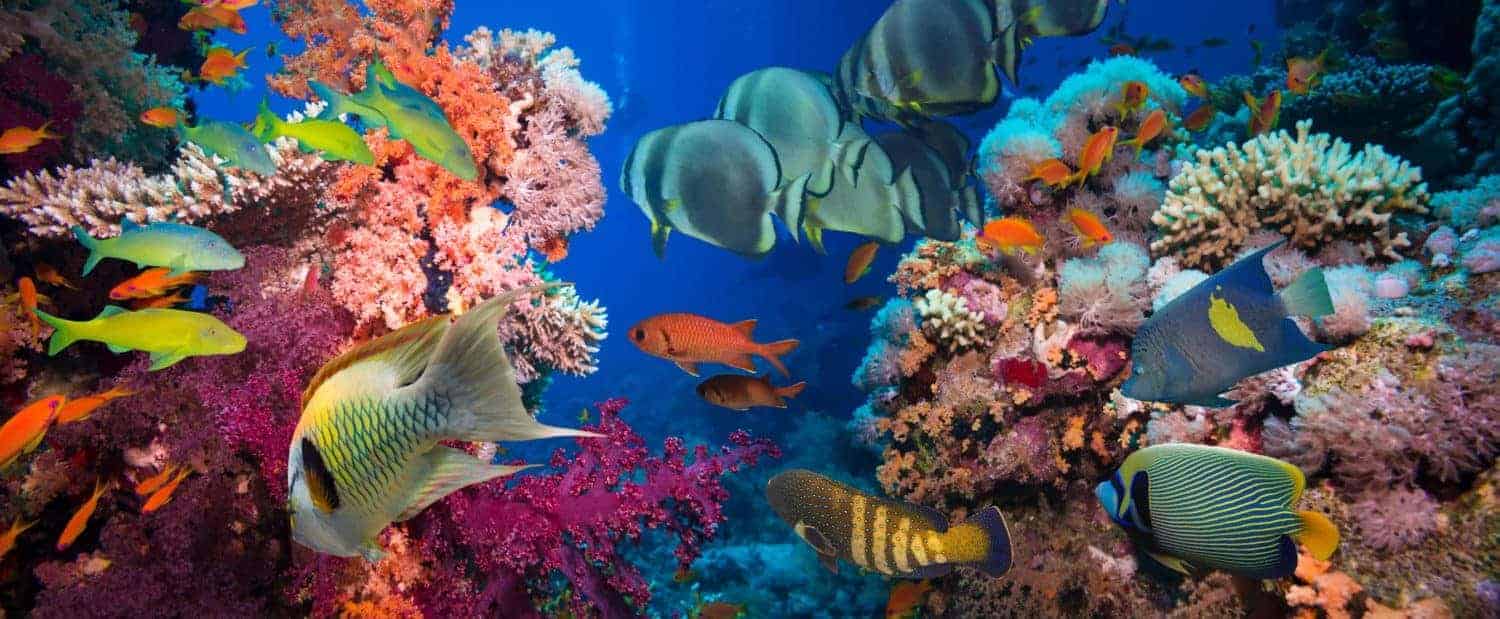
Nature and wine in Australia
The Great Barrier Reef, with all its incredible coral and marine life, should also be experienced at least once in a lifetime. If you dive, this area is an absolute must. Australian wine ranges from ordinary bulk wine sold in cartons to sublime wines from vineyards in regions such as Barossa, Clare or Coonawarra, for example. There are more than 65 districts across five states.

More than three climate zones in Australia
Australian nature encompasses almost every variation: rainforest, desert, mountains, lush fields and gentle grassy hills with grazing cows. The wildlife is quite unique, with kangaroos, koalas and the 30-kilo marsupial the wombat, which has the status of a kind of local panda icon. The vast country spans three climate zones, from tropical in the north to temperate in Tasmania in the south, with the flat, dusty red wilderness in the middle. The Outback is ancient seabed, where you can find mussel shells millions of years old, where there is sand and red dunes, and elsewhere hardy trees and prickly spinifex grass.
Read more about Australia
Here are a few easy links to wonderful Australia here on traveltalk.
Great Barrier Reef
Queensland
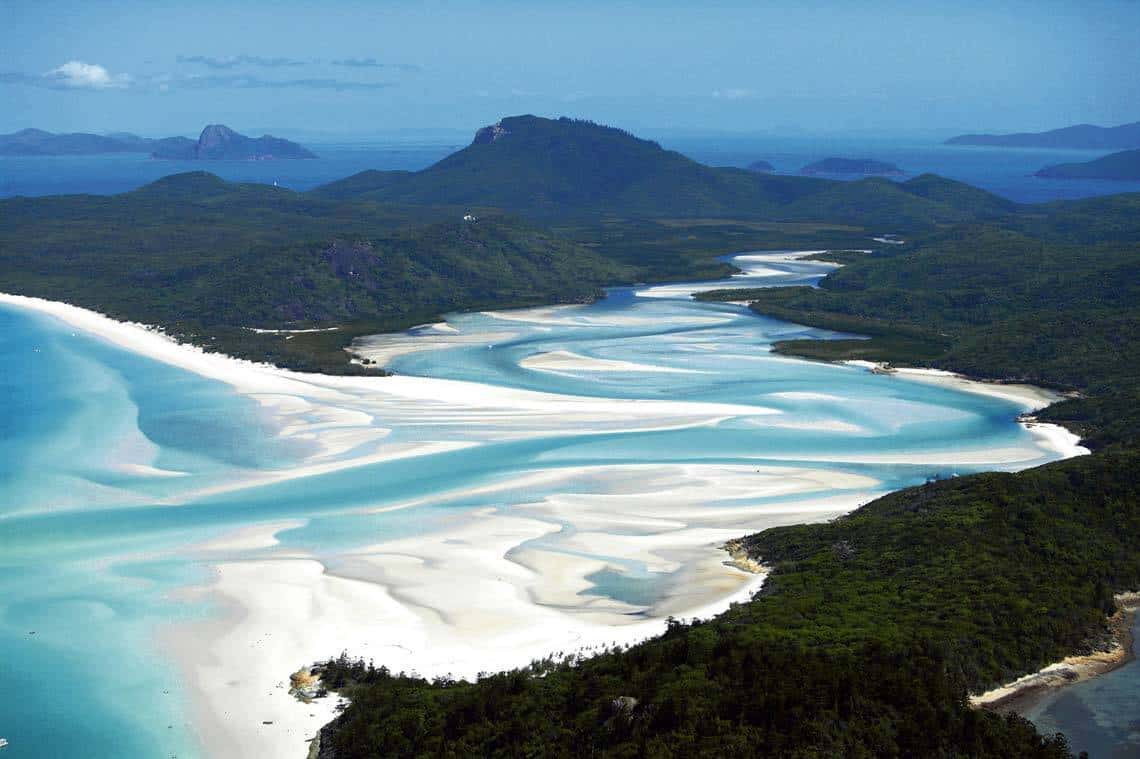
Is Australia a country in Oceania?
Australia is a federal state in Oceania; the country consists of the Australian continent with Tasmania and other surrounding islands. The so-called external territories include the Cocos Islands, Christmas Island and the uninhabited nature reserve of Ashmore and Cartier Islands, all located in the Indian Ocean; further, Norfolk and Lord Howe lie east of the mainland, along with the remote Heard and McDonald Islands. The Coral Sea Islands Territory covers a large sea area with scattered coral islands and reefs off the north-eastern coast; the area is uninhabited.
Together with New Zealand, Papua New Guinea and a long range of islands in the Pacific, Australia makes up the region of Oceania.
Read more about the vast Pacific region of Oceania, in which Australia lies, along with New Zealand and the Fiji Islands or New Guinea, for example.
More articles about Australia
When is the best time to travel to Australia?
Australia lies on the opposite side of the globe, so the seasons are reversed compared with Europe. When it is winter back home, it is summer in Sydney and Melbourne, and that is exactly where most travellers would like to be.
South of the centre of the country, December to February is the hottest and busiest period. It is also the school summer holiday, so accommodation prices rise and the popular beaches are crowded. Many find spring, from September to November, more pleasant, with mild days and fewer tourists.
The tropical north has a different rhythm. Here there is a dry season from roughly May to October, when the weather is stable and the air is less humid. In the wet season from December to March, the downpours can be heavy, and some roads and natural areas may be inaccessible. This applies especially to areas around Kakadu and Cape York.
If you plan to dive at the Great Barrier Reef, it is also a good idea to check visibility and the weather in advance, as the best conditions often fall in the dry season. The Outback in the middle of the country can be scorchingly hot in summer, so many prefer to visit in winter, when the days are pleasant and the nights cool.
Where can you stay in Australia?
Accommodation options in Australia vary greatly from city to city and from coast to interior. In the big cities of Sydney and Melbourne you will find everything from hostels with common rooms to large hotels in the centre. Hostels are a good choice for solo travellers who want to meet others, while hotels and apartments suit those who want more space and quiet.
Along the east coast, from the Gold Coast to Cairns, there are many resort hotels and apartments, especially by the beach. The area is busy during school holidays, so it is an advantage to book early.
In the Outback, options are fewer and further apart. Here you will often find lodges, small hotels and campsites, sometimes several hours’ drive from the next town. Sleeping under the starry sky or in a simple cabin in the middle of the desert is an experience in itself, but you should plan your stops carefully.
If you would like to stay in the national parks, be prepared for there often being only a few spaces, and that they can be fully booked in peak season. Choose your accommodation according to the type of trip you want and how much you are willing to drive each day.
Regions and travel routes in Australia
Australia is so vast that it helps to divide it into manageable regions. The east coast is the most visited part of the country. Here you will find Sydney, Byron Bay, the Gold Coast and Brisbane, and further north the Great Barrier Reef and Cairns. The coast offers a mix of city, beach and nature, and it is easy to combine several places on one trip.
The south-west and south take in Melbourne, Adelaide and Tasmania, where the culture is relaxed and green, and where wine regions lie close to the cities. You will also find the Grampians mountains and the spectacular coastal stretch of the Great Ocean Road.
In the centre lies the outback, with Uluru and the red desert wilderness. It is an area for those who want to experience vast distances and a completely different landscape.
A classic route is to start in Sydney, drive or fly north to Cairns and the Great Barrier Reef, and then head inland into the rainforest. Another option is a loop through southern Australia from Melbourne along the Great Ocean Road to Adelaide and on into the wine regions. Choose the route that suits your time and interests, and give a few places more room rather than trying to see too many.
Food and drink in Australia
Australian food culture has been shaped by immigrants from many countries, and this is especially noticeable in the big cities. This is where you will find the most varied restaurants, with Asian, Mediterranean-inspired and modern Australian cuisine side by side. The local style often builds on fresh produce, seafood from the coast and grilled meat.
Many typical dishes are simple. You will come across breakfasts of avocado on toast, and barbecue remains a staple of everyday life and weekends. Lamb and beef play a big role, and from the sea come fish and shellfish, often served with fresh salads.
Restaurant prices are often higher than in Denmark, especially in the big cities and at popular tourist areas. Guests are not expected to tip, but good service is appreciated. In the supermarkets, everyday groceries are generally reasonable, although fresh produce and imported goods can cost quite a lot.
Wine is a natural companion to the food, and Australia’s wine regions produce wines across many price brackets. If you want to learn more about the wine, you can read about the country’s wine lands here on Traveltalk, which also offers inspiration for wine trips. Wine trips
How much does it cost to travel in Australia?
Australia is not a cheap destination, and many visitors are surprised by the price level, especially in the big cities. It is wise to plan your budget with realistic figures and to allow for accommodation, food, transport and activities.
Accommodation is often the biggest expense. In the cities and at the popular coastal areas, a simple hotel or apartment can cost more than in Denmark, while hostels are considerably cheaper. In the outback, prices are often higher because there are few options and long distances, which make it expensive to run these places.
Food can be bought cheaply in supermarkets, but restaurants and cafés are typically priced above Danish levels. Transport is a significant item, especially if you fly between cities or hire a car for an extended period. Petrol and insurance also add up.
Activities such as diving at the Great Barrier Reef, guided tours and national park entry fees can also mount up. Therefore, build a buffer into your budget and check prices well in advance. If you want to review your finances before departure, you can read more about what is important to remember here: Is your travel budget in order?
Practical travel information for Australia
🛂 Visas and entry
- Visa: Danish citizens need a free eVisitor visa (subclass 651), applied for online before departure — up to 3 months at a time, with multiple entries within 12 months.
- Passport: must be machine-readable; have a return or onward ticket.
- Biosecurity: Australia has strict rules — declare all food and all natural products on arrival.
💰 Currency and money
- Currency: Australian dollars (AUD).
- Cards: contactless payment is used almost everywhere; cash is rarely necessary.
- Tipping: no set custom — appreciated for good service, but not expected.
🚗 Transport, timing and health
- Flight time from Denmark: approx. 20–24 hours with two stops; allow for domestic flights between cities.
- Best time to visit: the south (Sydney, Melbourne) is best December–February; the tropical north is best in the dry season, May–October.
- Time zone: the east coast is 9–10 hours ahead of Denmark.
- Language: English.
- Health: no compulsory vaccinations; sun protection is important. Tap water is drinkable.
- Safety: very safe — follow the Danish Ministry of Foreign Affairs’ travel advice.
How to get around Australia
Australia is so large that most travellers should expect to fly between the major cities. Domestic flights are a natural choice when you want to go from Sydney to Cairns or from Melbourne to Perth. They save days behind the wheel, but they require booking well in advance, especially in peak season.
Rail routes are few and slow compared with Europe. The famous Indian Pacific and Ghan run through the interior of the country, and for many the journey itself is the experience. However, it is an expensive and time-consuming way to travel, and the routes cover only a small part of the country.
The most flexible option is a hire car. It is easy to rent a car in the big cities, and the main coastal roads are good. If you want to drive far into the outback, choose a vehicle with good ground clearance and carry extra water and fuel, as there can be long stretches between petrol stations. Campervans are also popular and give you the freedom to camp wherever you like, but they are often large and take some practice to drive.
Prices for rental cars and campervans vary a great deal by season and location, so it is wise to compare in good time. Remember that you drive on the left-hand side of the road, which can take a little getting used to at first.
More about Australia
Nearby
Hawaii
Hawaii is a chain of volcanic islands, and there are six main islands to visit in…
New Zealand
New Zealand is quite its own world and calls for a taste for long-haul travel, really…

