
From the traveltalk.dk family – started in Denmark in 2018
Read in: Dansk (original)
Travelling to Hawaii, the dream trip for so many.
Hawaii is a chain of volcanic islands, and there are six main islands to visit in Hawaii: Kauai, Oahu, Molokai, Lanai, Maui, and the Big Island itself. The Big Island is both the youngest and the largest of the group.
How to get there
Hawaii is so far from Europe that there is no direct flight from Denmark. Most travellers fly via one of the major American airports, typically on the US West Coast, and continue from there to Honolulu. Once you factor in connections and the time difference, the journey can take a full day or more.
Stopovers in the US are common, and you will often need to collect your luggage and go through security twice. Allow plenty of time between flights, especially if you arrive in Honolulu on the same day.
Be aware that the US has entry requirements. You need a valid passport, and most travellers from Denmark use ESTA, an electronic travel authorisation that must be approved before you fly. Always check the current rules with the US authorities before you travel, as they can change.
Hawaii, Big Island
The Big Island is not just big, it is an island that is literally still growing. It is the youngest in the island chain and by far the largest, which means there are plenty of opportunities to explore its remarkable wonders, from volcanoes and waterfalls to the most beautiful beaches that nature has created here.
To avoid confusion with the name of the whole state, the island is often simply called “The Big Island”, and it is a fitting name. The island is almost twice the size of all the other Hawaiian islands combined, which alone is inspiring, as you get many sides of Hawaii on one island. Its dramatic size has created a microcosm of environments and activities that will both fascinate and thrill you.
Oahu and Honolulu
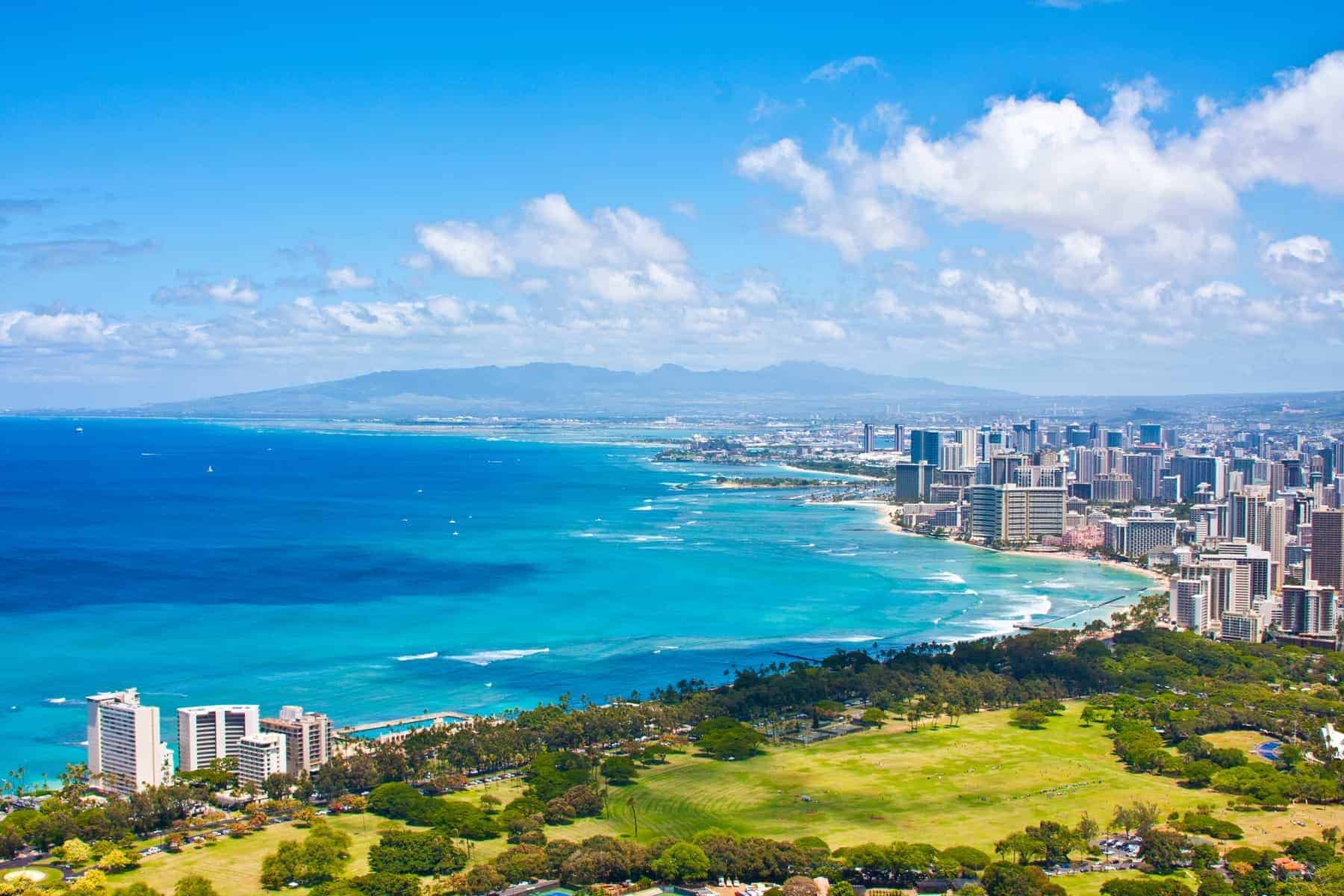
Oahu is the third largest island, with around one million inhabitants. It is made up of two volcanic mountain ranges, the Waiʻanae and Koʻolau Ranges, and has over 350 km of very beautiful coastline.
Honolulu
If Oahu is the heart of Hawaii, then Honolulu is its pulse. In this cosmopolitan capital you will find everything from historic landmarks to exquisite restaurants and world-class shopping. Home to the majority of Oahu’s population, Honolulu stretches along the island’s south-eastern coast, from Pearl Harbor to Makapuu Point, and takes in the world-famous Waikiki Beach along the way.
Getting around between the islands
If you want to see more than one island, flying between them is convenient. The largest airports are on Oahu, Maui, Kauai and the Big Island, and short inter-island flights are a good choice when you want to save time. It is wise to book your tickets well in advance, as there may be only a few departures.
On each island, a hire car is the most flexible option. The distances are not huge, but the roads can be narrow and winding, especially in the mountainous areas, and many attractions lie far from the main towns. Parking can also be limited in many places.
Buses operate on the larger islands, mainly around the towns and busy areas, but they are not particularly well suited to exploring nature on your own. Ferries between the islands are less frequent, and they do not always run on the routes you expect, so check the connections before planning your trip.
Kauai
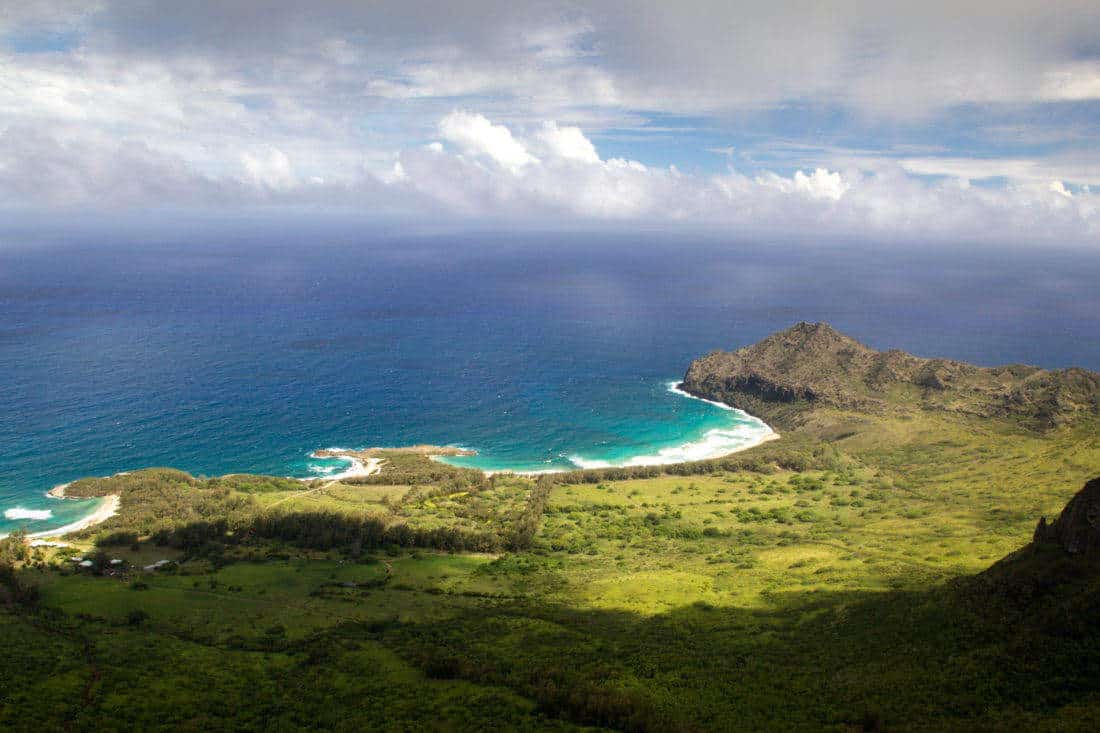
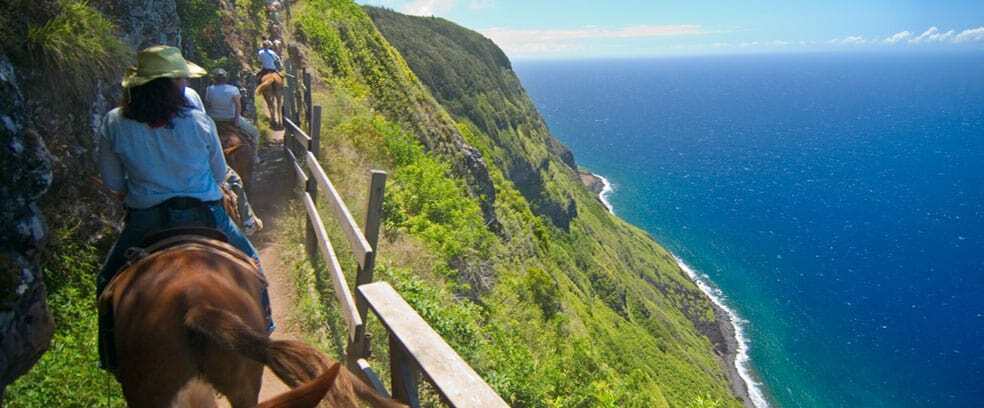
Kauai is the fourth largest island and is also known as the “Garden Isle”, which is in fact a very accurate description. The oldest and northernmost island in the chain is draped in lovely valleys, jagged cliffs and yawning gorges, shaped over time by wind and weather. The fertile topsoil of the “Garden Isle” is clothed in a breathtaking mantle of emerald-green vegetation.
Maui
There are countless reasons why Maui is repeatedly voted ‘the best island’.
Welcome the sun as you stand above a sea of clouds at the summit of Haleakala. Watch humpback whales breach off the coast at Lahaina. Feel the ‘mana’ (power) of Haleakala National Park and enjoy the scenic ‘Road to Hana’. As you wander the streets of the coastal town of Lahaina and along Kaanapali’s lovely beaches, you will quickly find your own reasons to love Maui.
Where to stay
On Oahu, Waikiki is the most obvious choice for those who want nightlife, restaurants and beach close at hand. It is also where prices are highest, and the hotels sit close together. If you want some peace, an area further from Honolulu may be a better place to stay, but then you will depend on a car.
On Maui, Kaanapali and Lahaina lie on the west coast, with large hotels, resorts and a range of restaurants. The Kihei area on the south coast has more smaller homes and apartments, which are often cheaper and better suited to longer stays.
On Kauai, most overnight stays are concentrated around Lihue in the east and Poipu on the south coast. Poipu is popular with families and couples who want quiet beaches and green surroundings. Here you will find hotels, resorts and apartments.
On the Big Island, Kona and Waikoloa are the most visited areas on the west coast, where you will find resorts, smaller hotels and guesthouses. Hilo on the east coast is more laid-back and humid, and is a good choice if you mainly want to explore the nature of the island’s eastern side.
Prices vary widely. Resorts and luxury hotels sit at the expensive end, while apartments, guesthouses and smaller hotels are often a more affordable alternative.
Facts
Hawaii is the 50th state of the USA and includes most of the archipelago (island sea) collectively known as the Hawaiian Islands. It lies about 3,700 km south-west of the US West Coast in the Pacific Ocean, and is the southernmost state in the USA. There are six main islands to visit: Kauai, Oahu, Molokai, Lanai, Maui, and the island of Hawaii itself.
Capital of Hawaii: Honolulu
Admitted as a state: 21 August 1959
Flower: Hibiscus brackenridgei (good to know, isn’t it?)
Population: 1.432 million (2015)
Travel with, among others: Nyhavn Rejser
Where is Hawaii?
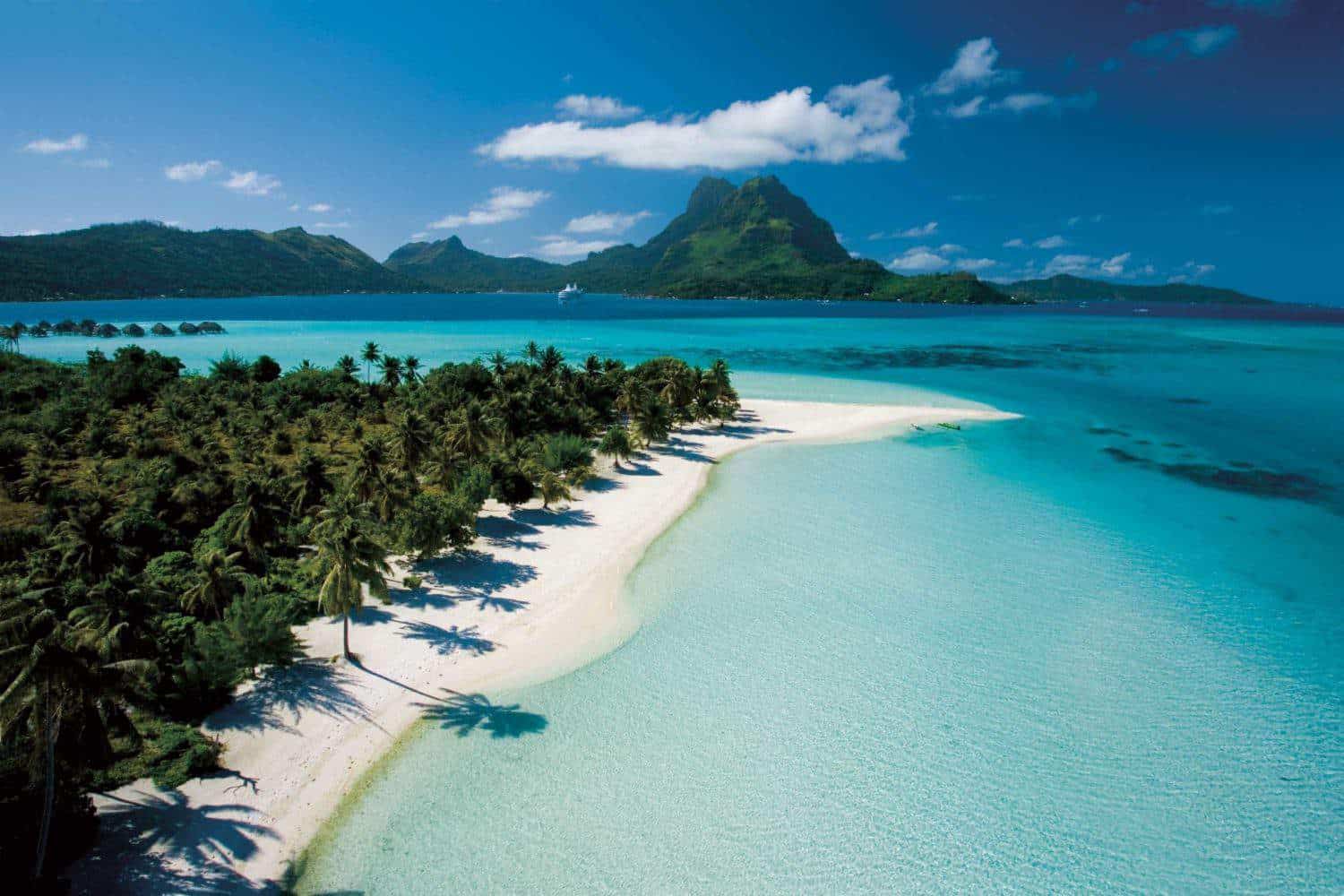
Hawaii lies in Polynesia (read here about other beautiful islands such as Bora Bora). Polynesia as a group of islands sits within the vast region of Oceania, alongside Australia and the Fiji Islands, for example. As well as New Guinea and the Micronesia area. Set off on a voyage of discovery and find travel inspiration here.
Hawaii, travel inspiration
Blue Hawaii, an appetiser for Hawaii. Elvis has left the island; it was one of his favourite islands, as is Barack Obama’s, but tourism has not. A collection of incredibly beautiful islands. Can be combined with a visit to the USA.
When is the best time to travel to Hawaii
Hawaii has a fairly stable climate all year round, so the best time depends more on what you want to experience than on the temperature. It is warm on the coasts for most of the year, while the mountains can be cool and rainy.
Summer, from May to September, is dry and sunny on the south and west coasts, and this is where most people choose to travel. On the other hand, it is also high season, and both hotels and rental cars become more expensive.
Winter, from November to March, is the rainiest period, especially on the east-facing sides and up in the highlands. It is also the season for humpback whales, which move in towards the coasts, so it can be a good time if you want to see them. The waves on the north shores are often large in winter, and they are not for swimmers and beginners.
Spring and autumn, that is April, May and October, are often the best combination of good weather, reasonable prices and fewer tourists. Be aware, though, that rain showers can arrive suddenly, especially on the islands with high mountains.
Other tropical paradise islands outside Polynesia
If you are looking for the perfect tropical island, there are some that will surely come close, but they are scattered across a large part of the world. Here are a few:
Palawan
Maldives
Boracay
Palau
Fiji
Cape Verde
Mauritius
More articles about Hawaii
Practical information before you travel
Hawaii is not a cheap destination. Accommodation, food and rental cars cost more than in most European countries, so it is a good idea to budget for this well in advance. Check current prices, as they vary considerably by season and area.
The currency is the US dollar, and credit cards are accepted almost everywhere. English is the main language, and you will get along well with it. American plugs and voltage are used, so remember an adapter.
Safety is generally good, but be mindful of the sea. Currents can be strong, especially on the north shores and in the surf, so it is important to read the signs and follow the lifeguards’ instructions. Do not leave valuables visible in the car when you park at the beach or at the start of hiking trails.
The volcanoes on the Big Island are still active, and access to certain areas may be restricted or closed. Always follow local guidance and check whether there are any restrictions before setting off to explore.
More about Hawaii
Nearby
Australia
Australia consists of mainland Australia, the island of Tasmania and a larger number of smaller islands.…
New Zealand
New Zealand is quite its own world and calls for a taste for long-haul travel, really…

