
From the traveltalk.dk family – started in Denmark in 2018
Read in: Dansk (original)
Tahiti – A Travel Guide to French Polynesia’s Most Beautiful Island
The world-famous painter Paul Gauguin said: “Tahiti is everything; everything one has dreamed of all one’s life; everything that makes you leave Europe or any other country for good.”
Storytellers and poets from Homer onwards have always imagined the existence of certain ‘happy’ islands, so full of magic and irresistible beauty that they drew people away from their duties and obligations – and held them captive by choice in a state of blissful innocence.
It really is the happy island. It is so damnably beautiful; it hurts your eyes. Yes, the destination has changed, and it continues to change. Cruise lines, technology and “progress” have left their mark – but the island’s magic endures. It is only 24 hours and a few minutes away from Denmark. That is not far for a taste of paradise.
See paradise here

Trip Facts
🗓️ Best time to travel
May–October is the dry season, with sunshine and pleasant weather (~27 °C). November–April is warmer and more humid (the rainy season) – but greener, quieter and cheaper.
🧭 Practical information
Currency: CFP franc (XPF, pegged to the euro) · Visa: not required for Nordic/EU citizens for up to 90 days · Languages: French and Tahitian · Travel time from the Nordics: ~24–30 hours via Paris and the USA.
💶 How much does it cost? (indicative)
French Polynesia is an expensive, luxury-oriented destination. Coffee ~€4–6 · Beer/glass of wine ~€7–11 · Three-course dinner, mid-range ~€50–90 per person · Mid-range hotel ~€150–300 · iconic overwater bungalow ~€400–1,200+ per night.
Where is Tahiti – and how do you get there?
The tropical island lies in the southern Pacific Ocean and is the largest of the 118 islands that make up French Polynesia. The island belongs to the Society Islands group and is home to the capital, Papeete.
You can fly to Tahiti from Denmark via Paris, with an optional stopover in the USA (typically Los Angeles or San Francisco). The journey usually takes between 24 and 30 hours.
Getting around the island
Tahiti is large enough that you won’t get very far without some form of transport. The coastal road that encircles the island is the main link, and most settlements lie along it. In many places in the interior the roads are narrow and steep, so you should expect to drive slowly.
The most flexible option is to hire a car. It will take a bite out of your wallet, and prices are higher than in Denmark, but with a car you can stop at small beaches, markets and viewpoints whenever you like. Be aware that traffic drives on the left, as in France, and that traffic in Papeete can be heavy, especially in the morning and late afternoon.
Taxis are available, but they are not cheap, and it is a good idea to agree on the fare before you get in. The bus is inexpensive and used by locals, but the network is simple and departures are not always frequent, so it is best suited to routes around the capital. A scooter or moped can be a fun way to get around, but here you need to take care on wet and gravelly roads and wear a helmet.
If you only have a couple of days on the island, a car or a guided tour is a sensible choice. If you want to experience the island at a relaxed pace, and also see the villages on the north coast and the inland valleys, a rental car is the best option.
When is the best time to visit Tahiti?
Tahiti has a tropical climate with warm temperatures all year round. The dry season runs from May to October and is the most popular time to visit the island. The weather is sunny and pleasant. The wet season from November to April brings more rain, but also fewer tourists and lower prices.
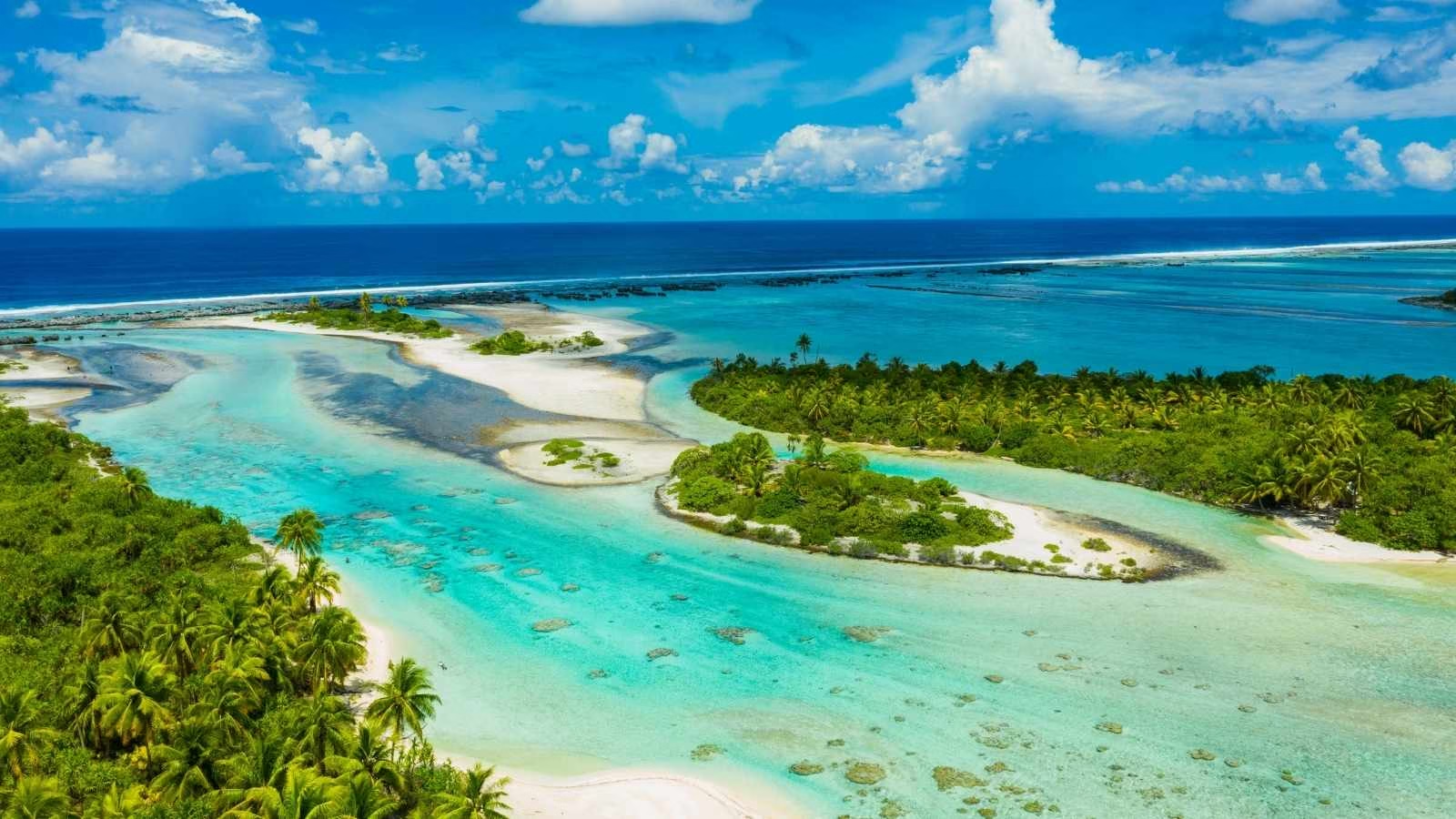
Things to experience in Tahiti
Honeymoons and romance
Tahiti is among the world’s most popular destinations for honeymoons and couples’ getaways. You can get married in a traditional Tahitian ceremony with a priest and be given a Tahitian name – an unforgettable experience.
Shark feeding and snorkelling
The waters around the destination and nearby Rangiroa are rich in sharks and coral reefs. You can watch shark feeding with a local diver in shallow water – a safe and fascinating experience. In addition, Tahiti offers excellent snorkelling, with colourful fish and crystal-clear water.
Diving and the underwater world
Tahiti is a diver’s paradise. Here you can take your first dive, earn a diving licence or further your training. The water is so clear that you can see small fish many metres away, and the coral reefs are vibrant and healthy.

Gauguin Museum
The French painter Paul Gauguin lived on Tahiti and drew inspiration from the island’s nature and culture. The Gauguin Museum holds a collection of sketches, paintings and personal effects.

Venus Point and black sand beach
This historic site, where James Cook observed the transit of Venus, today has a beautiful black sand beach and an old lighthouse. The area is ideal for picnics and beach walks.

Waterfalls and rainforests
In the mountainous heart of Tahiti you will find lush rainforest and impressive waterfalls such as Faarumai, Vaiharuru, Vaimahutu and Topatari. Some can be reached by car, others require a short hike. Don’t forget your swimwear!
Spa treatments and spas
No holiday is complete without relaxation. The destination is known for its spa experiences – massages with tropical oils and body wraps in banana leaves are just some of the treatments that await you.
Culture and history at the heart of Polynesia
Archaeological sites and marae
In the Papenoo Valley and other parts of Tahiti you will find ancient ruins and temple sites (marae), where you can immerse yourself in Polynesian culture and spirituality. Guided tours are recommended to get the most out of your visit.
Tahitian lifestyle and traditions
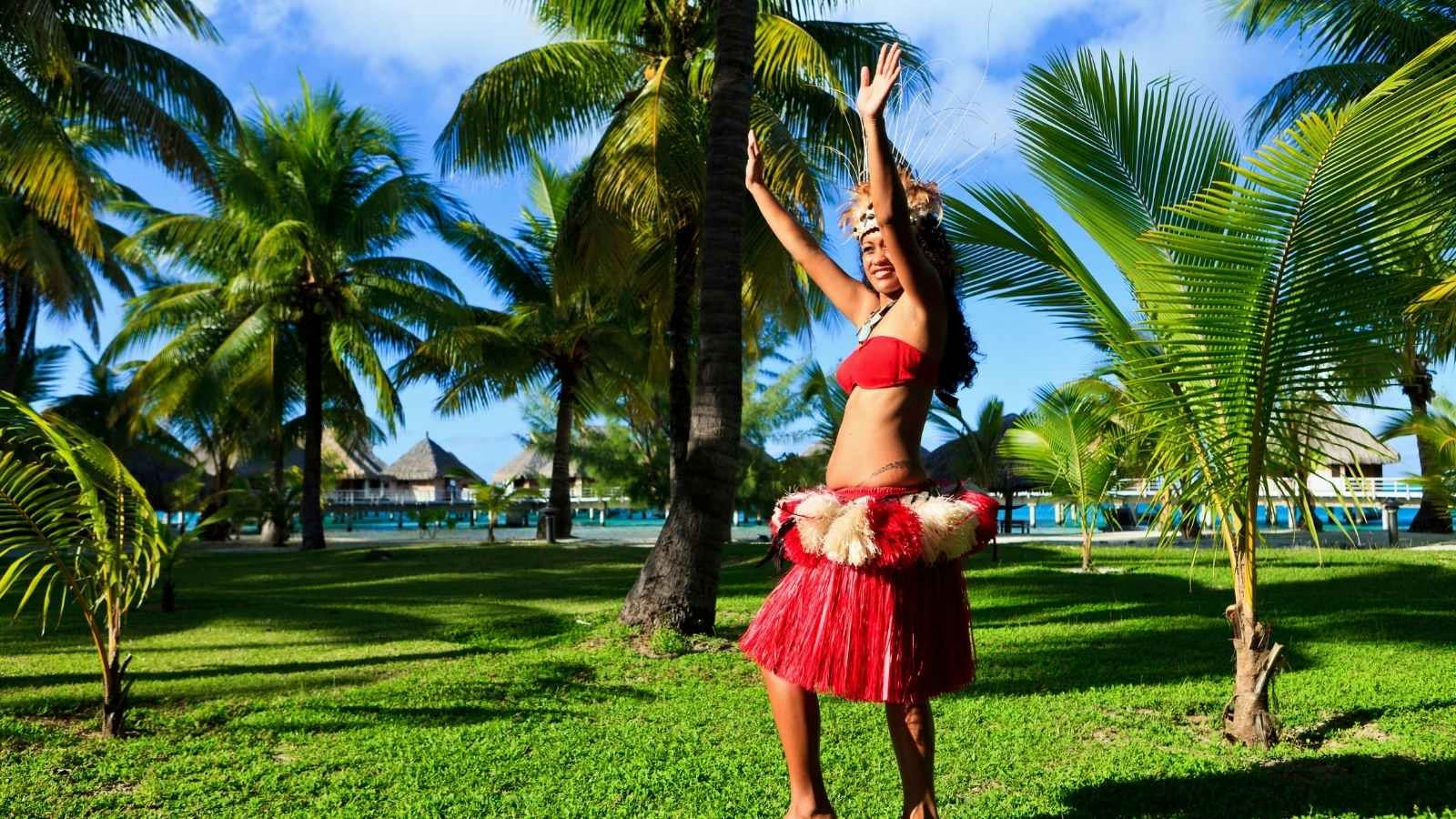
The local culture is lively and colourful. Music, dance and flower garlands are part of everyday life, and you will feel the warm hospitality wherever you are on the island.
Food and drink
Local cuisine is built on fish from the sea, coconut and fruits such as breadfruit, banana and taro. The best-known dish is poisson cru, raw tuna or bonito marinated in lemon juice and coconut milk with onion, cucumber, tomato and carrot. It is served cold and is light and fresh, and almost every restaurant has its own version on the menu.
Ma’a tahiti is traditional Tahitian food, originally cooked in an earth oven, where roasted and steamed vegetables, fish and pork were placed on hot stones. Today it is seen mostly at celebrations and in large restaurants, and it is rich and filling, so it suits a lazy afternoon well.
The markets are the best place to eat cheaply and get to know the local produce. The markets in Papeete have stalls selling fresh fruit, vegetables, fish and flower garlands, and there are often small food stalls where you can buy a lunch. It is a good way to taste vanilla, grapefruit and local bananas.
Restaurant prices are higher than in Denmark, and a dinner of fish and drinks can quickly cost twice what you are used to at home. If you want to save money, you can have lunch instead of dinner and stick to local dishes rather than imported food.
Safety and health
Tahiti is a safe destination for most travellers, but as anywhere in large towns, you should look after your belongings. Do not leave your wallet, passport and phone visible in a parked car, and use the hotel safe if there is one. Theft on beaches and in car parks does occur, especially when you are alone.
Tap water in Papeete is generally drinkable, but many people prefer bottled water, especially in the countryside, where the supply can be less reliable. The sun is strong all year round, even when it is cloudy, so you should use high-factor sunscreen, a hat and sunglasses. You can burn faster than you expect, especially in the water, where you do not feel the heat.
Mosquitoes can be a nuisance, especially in the wet season and in shady areas near the waterfalls. A repellent containing DEET and long sleeves in the evening is a good idea. Travellers from Denmark do not need special vaccinations for Tahiti, but it is wise to check with your own doctor or Statens Serum Institut before you travel, and to make sure your routine vaccinations are up to date.
Travel insurance should cover medical treatment, repatriation and theft, and it is essential to check that the cover applies in French Polynesia, as the islands are a long way from Denmark. Many private hospitals require payment upfront, and a medical certificate is useful to bring home.
A drive around the island – road trip on Tahiti
The tropical island can be driven around in about a day on the 117 km coastal road. Along the way you pass lagoons, villages, small markets, black sand beaches and spectacular viewpoints.
Where to stay on Tahiti?
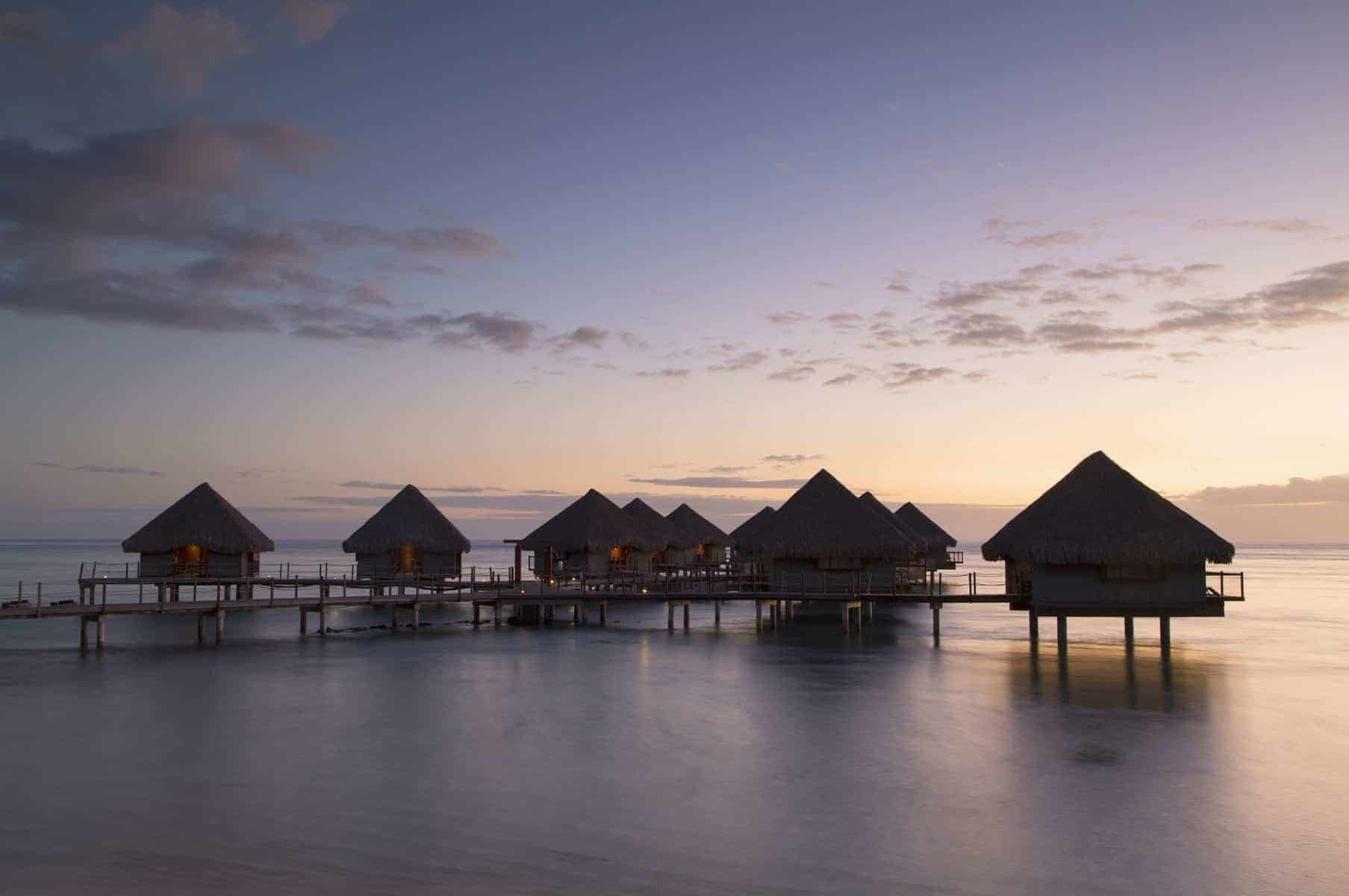
The island offers everything from luxurious overwater bungalows to small guesthouses and budget hotels. Most tourists stay in or around the capital Papeete, but there are also resorts in scenic areas further out.
FAQ – Frequently asked questions about Tahiti
Where is Tahiti?
The destination lies in the South Pacific and is part of French Polynesia. The island is the largest in the Society Islands archipelago.
How do you get to Tahiti from Denmark?
You can fly from Copenhagen with stopovers in Paris and Los Angeles to Faa’a International Airport in Tahiti. The journey takes about 24–30 hours.
When is the best time to visit Tahiti?
May to October is the dry season, with the most sun and the least rain. November to April is warmer and more humid, but still beautiful.
Is Tahiti expensive to travel to?
Yes, Tahiti is at the pricier end, especially for flights and hotels. But there are also budget-friendly guesthouses and package holidays.
What can you do on Tahiti?
You can snorkel, dive, take boat trips, visit black sand beaches, enjoy a spa, and experience the local culture and nature.
Practical matters and time difference
Tahiti is many hours behind Denmark. When it is dinner time in Copenhagen, it is early morning on the island, and the difference varies with Danish summer and winter time. You should expect jet lag to last a few days, and it takes time to adjust to the daylight.
The local currency is the CFP franc. Cards work in many places, particularly Visa and Mastercard, but small stalls, markets and tours in the interior of the island often only take cash. It is a good idea to withdraw some money in Papeete before heading into the countryside, and to have a card that charges no fee on foreign purchases.
Churches on the island are places for quiet reflection, and many are still active. You should wear clothing that covers shoulders and knees, and remove your hat when you go in. As in churches elsewhere in the world, it is polite not to use flash photography or disturb a service.
There are local rules and regulations that apply to visitors, particularly in nature reserves and at protected sites and marae. It is wise to follow signs and your guides’ instructions, and not to take stones, plants or corals home with you.
Other islands in French Polynesia
Consider also visiting:
- Moorea – lush and perfect for day trips from the destination
- Bora Bora – luxury, romance and blue lagoons
- Rangiroa – a mecca for diving
- Huahine – quiet, green and authentic
Tahiti is just the beginning – the whole of Polynesia awaits you.
More about French Polynesia here
Learn about surfing at the destination here
Tahiti co-hosts the Paris Olympic Games, but in which sport?
Other islands in Polynesia
Introduction to Polynesia
Tonga
Norfolk
Vanuatu
Tuvalu
Easter Island
Bora Bora
Kiribati
Papua New Guinea
Cook Islands
More about Tahiti
Nearby
Australia
Australia consists of mainland Australia, the island of Tasmania and a larger number of smaller islands.…
Easter Island
Travel to Easter Island, located more than 2,000 miles west of South America, in the middle…
Micronesia
Micronesia is both an island state located in Oceania and a larger region of Oceania that…


