
From the traveltalk.dk family – started in Denmark in 2018
Read in: Dansk (original)
Aruba, the new paradise island in the Caribbean
Aruba is one of the most visited islands in the eastern Caribbean. It is a Dutch possession with its own parliament and a Dutch governor.
Several travel agencies have discovered Aruba, and there are quite convincing reasons for that. Here is a list of them.
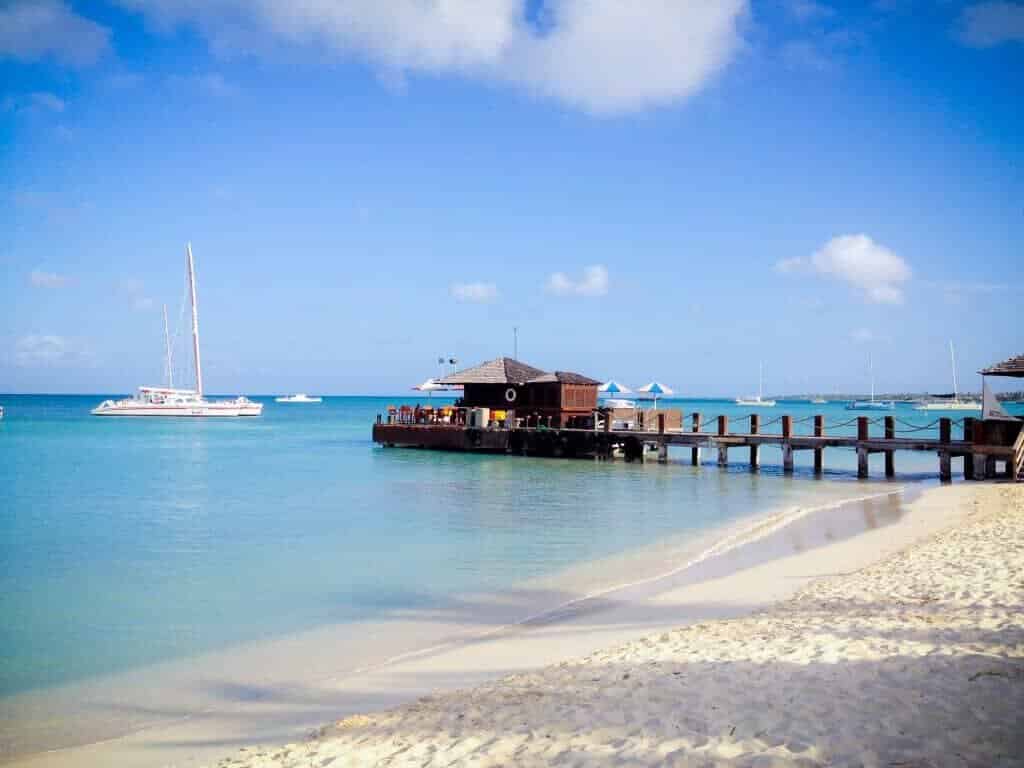
1. Aruba’s beaches are generally regarded as some of the cleanest white sand beaches in the Caribbean. Two deserve a mention: Eagle Beach and Palm Beach.
2. Oranjestad is the colourful capital of the island, with charming buildings in beautiful old Dutch architecture.
3. The friendly Arubans often speak Dutch, Spanish, English and the local Papiamento. Not all at once, perhaps, but you can communicate quite easily here.
4. Spectacular geography. Part of the island’s interior is untouched, wild nature, with caves, off-road trails, rugged rock formations and the wild sea always in the background.
5. Diving: Aruba ranks high on the list of the best diving destinations, especially on the south-west coast. Many rocks in the sea and intact coral reefs provide a home for a rich and varied population of tropical fish.
6. The nightlife is great, from cocktail parties to tropical night parties, beach barbecues and tempting happy hours every day. There are also bars and dancing until the morning hours in the nightclubs.
7. Windsurfing is big here because of the daily winds of suitable strength and direction.
8. World-class casinos: if you are a bit of a gambler, try your luck here with games such as poker, blackjack, roulette or Caribbean stud poker (which is new!). Bonus tip: here you are safe from the sun!
9. Aruba is child-friendly, not just in attitude, but the facilities at the hotels and the many activity options also cater for families with children
10. The island is eco-friendly, with an eco-plan that covers everything from protecting marine life and the island’s land ecosystems to creating a natural balance between tourism and the conservation of nature and resources.
Where should you stay?
Palm Beach and Eagle Beach are the two areas most often mentioned when choosing where to stay. Both lie along the white sand beaches on the west coast, and this is where you will find the majority of the island’s large resorts. The areas are close to each other, and it is easy to walk between restaurants, shops and the beach.
The resorts are often large, with several pools, their own restaurants and a wide range of activities, and they suit families and couples who want everything in one place. Here it is easiest to relax without having to drive around.
If you want a quieter experience, consider a smaller hotel or a guesthouse-style stay. Here you will often get more of the local character, and it is easier to escape the busiest beach areas. On the other hand, you should expect to need a car or taxi more often to reach restaurants and the beach.
Wherever you stay, it is worth checking how close you are to the beach and whether there is an easy route to the areas you would like to visit.
Aruba at a glance
Capital: Oranjestad
Area: 178.9 km²
Population: 105,000
Currency: Aruban florin
Continent: South America
Official languages: Dutch, Papiamento
When is the best time to travel to Aruba?
Aruba lies outside the part of the Caribbean where hurricanes typically strike, and this is one of the reasons the island has calmer weather than many of its neighbours. Even so, there is a difference between the seasons, and most people travel in the dry period, when it rains least and the trade winds blow steadily across the island.
The rainy season typically comes towards the end of the year and is often shorter and more sporadic than in other tropical destinations. Showers can arrive suddenly and disappear again within half an hour, and the sun is usually back quickly.
The temperature varies only slightly over the year. It is always warm, and the sea is almost always pleasant for bathing. The biggest difference is felt in the wind: it is strongest in the dry months, which is an advantage for windsurfers but can make it windier to lie on the beach.
If you are worried about the hurricane season, check the current weather forecasts before you book, and be aware of the terms of your travel insurance in case of changes.
Prices, rules and practical matters
Aruba is an expensive island compared with many other Caribbean destinations. Food in restaurants, especially the better-known places by the beach, is priced at a level similar to that found in larger European cities. It can be a good idea to alternate between restaurants and supermarkets if your budget needs to stretch.
Drinks at the bars can also quickly become expensive, and many resorts offer selected packages that may be a good choice if you drink a lot. Excursions and water activities such as diving, snorkelling and jet skiing typically cost more than at home, so it is worth comparing prices before you book.
There are no special entry requirements beyond a valid passport, but always check the current requirements before your trip, as they can change. The currency is the local florin, but US dollars are accepted in many places, and card payment is widespread. It is nevertheless a good idea to have some local currency for smaller purchases.
Tap water is generally safe to drink on Aruba, and the island has a well-developed healthcare system. Remember high-factor sunscreen, as the sun is strong all year round. If you have particular health conditions, you should contact your doctor or a travel clinic before departure.
How to get there
There are no direct flights from Europe to Aruba, so you should expect a connection. Most routes go via a larger European airport or via the USA, and the total travel time is therefore typically long, often several hours once waiting time at the airports is included.
The flight from Europe to Aruba is long, and it is a good idea to plan how you will handle sleep and jet lag. When you land, the time difference is only small compared with Europe, but many people still feel tired on the first day.
As routes and departure times change, you should check the airlines’ current timetables before booking. It is also a good idea to check whether you need a visa or other entry documentation for the country where you connect, even if you do not leave the airport.
Your suitcase should be full of sun and clothes, but also check the baggage rules for each flight, as they can vary.
Getting around the island
Aruba is a fairly small island, but it is elongated, and the distances between the beach, the town and the wilder areas in the north and east are greater than you might think. In practice, this means you will need some form of transport if you want to explore beyond the area around your hotel.
Taxis are available and are the simplest option for short trips, especially between your hotel and Oranjestad. Agree on the fare before you get in, as taxis do not always have meters. The bus covers the main roads but is not always frequent, so it suits those with time to spare best.
Renting a car is the option most people choose if they want to see the island’s northern and western coasts independently. Cars are easy to get going with, and the roads are generally good. Be aware that the main road and the smaller roads in the wilder areas can be bumpy, and that a driving licence from Denmark is usually sufficient, but check the requirements with the rental company.
Bicycles and scooters are also common, especially in the busier areas, and they can be a pleasant way to get around over short distances. In the midday heat, however, it can be hard going, so plan your trips around the weather.
Travel to Aruba and the Caribbean with
- Book your trip
- An overview of the whole Caribbean, choose from over 100 islands
- TUI, Denmark’s largest charter holiday operator
- Read more about Aruba’s official tourist office: Visit Aruba (visitaruba.com)
Read more about the Caribbean
Here is the introductory page to the many beautiful islands of the Caribbean
See Curaçao, a delightful holiday choice in the Caribbean
More about Aruba
Nearby
Bermuda
Bermuda is an island group in the Atlantic Ocean, forming part of the British Overseas Territories…
Haiti
Haiti (Haitian Creole: Ayiti, French: Haïti) lies in the Caribbean and shares the island of Hispaniola…
Anguilla
Anguilla is one of the small, "delicious" islands in the eastern Caribbean and the northernmost island…


