
From the traveltalk.dk family – started in Denmark in 2018
Read in: Dansk (original)
Jamaica is open again after Melissa. The question is where
Jamaica means reggae and white sand, and has done ever since Bob Marley turned the island into a soundtrack. Some 2.8 million people live on its 10,991 km², mostly English-speaking. Behind the beaches lie rainforest, rivers and mountains that peak at 2,256 metres, and which are the reason the island has a very different climate just an hour’s drive inland. If you want to see how Jamaica compares with its neighbours, they are all gathered on our introduction to the Caribbean.
But a trip to Jamaica in 2026 begins somewhere other than the brochures. On 28 October 2025, Hurricane Melissa made landfall at New Hope in Westmoreland as a Category 5 storm with sustained winds of 295 km/h. It is the most powerful hurricane ever recorded at landfall on Jamaica. 45 people lost their lives, around 120,000 buildings lost their roofs, and the damage has been put at US$12.2 billion, the costliest in the country’s history.
Where it hit, and what is open now
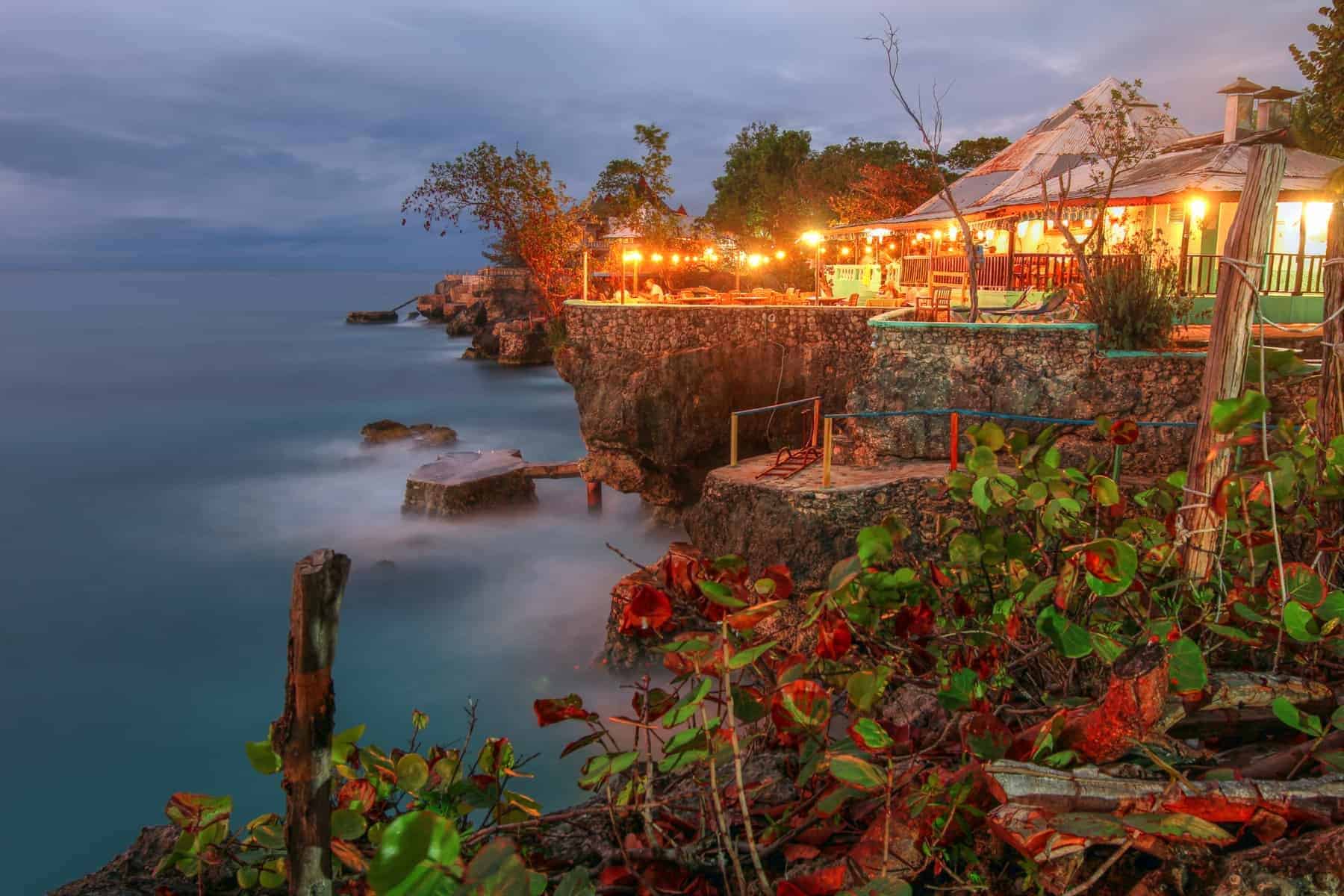
The damage was not evenly spread. The hardest-hit parishes were Saint Elizabeth, Westmoreland, Saint James, Trelawny and Hanover, that is, the western and south-western coast. Negril lies in Westmoreland, where the hurricane came ashore, and Montego Bay lies in Saint James, where Sangster airport lost its roof and took in water. The north-east coast around Ocho Rios and Port Antonio fared better. If you want to combine Jamaica with a neighbouring island, the options are laid out in our guide with an island for every day of the year.
Reconstruction has moved faster than the October figures suggested. Eight weeks later, over 70 per cent of the tourism sector was operating again. The Ministry of Tourism set a target of around 80 per cent for the first quarter of 2026 and 95 per cent by the end of the year. Sandals reopened five hotels in December 2025 and the last three in May 2026. Air traffic through Sangster was still 48 per cent below normal in December 2025.
The practical advice follows from the figures: ask about your hotel and your beach, not about the country. “Jamaica is open” is true and yet useless, when the difference between two parishes is the difference between a normal holiday and a building site.
When should you travel?
The Atlantic hurricane season runs from 1 June to 30 November, and it is unevenly distributed: August, September and October carry the bulk of the severe storms. Melissa struck on 28 October, in the season’s last heavy weeks. December to April is dry, cooler and more expensive, which is why it is high season. If you want to bring the price down without putting the trip at risk, May and early June are the narrow window before the season sets in.
How to get there
There is no direct flight from Denmark to Jamaica, so the journey always involves at least one stop. Most European routes go via larger hubs in North America or the Caribbean, and the total flying time is typically between nine and eleven hours, plus waiting time at the connection. It is worth checking whether your route lands at Sangster in Montego Bay or at Norman Manley in Kingston, as that determines how far you will need to drive to your hotel.
Sangster is close to Montego Bay, so transport to the western coastal towns is short. From Norman Manley in Kingston there is a longer road over the mountains, and the drive can take several hours, depending on traffic and weather. Hotels can usually arrange transfers, and that is the most straightforward option after a long journey. Taxis at the airports should be agreed in advance, and it is worth noting that fares are not always posted.
If you want to avoid a long car journey from the airport, consider which town you choose. Montego Bay and Negril are the easiest to reach, while Port Antonio is the furthest from the larger airports. Always check your flight times well in advance, as connections can change.
Practical advice before you go
The tourist areas are generally safe, but crime does occur there too, and most recommendations come down to being alert and not flaunting valuables. Do not walk alone on deserted beaches or dark streets after sunset, and use the hotel or a trusted driver for transport in the evening. Keep an eye on your belongings, especially at markets and in traffic.
Check with your doctor or a travel health clinic about vaccinations well in advance of departure. Bring sufficient medication and travel insurance that covers medical and hospital treatment. Insect repellent is useful, as mosquitoes are found in humid areas. Drink only bottled or filtered water, and be careful with ice and unwashed fruit.
The currency is the Jamaican dollar, but US dollars are accepted in many places in the tourist areas. Many larger establishments accept cards, but cash is needed for small purchases, taxis and smaller stalls. It is best to withdraw money at a local bank and avoid street ATMs, where skimming can occur. Inform your bank of your trip so that your card is not blocked. Avoid carrying large amounts of cash and entering areas you do not know without local guidance.
Getting around
Many guests rent a car, and it is a real option on Jamaica, but it requires attention. Driving is on the left, and the mountain roads are narrow, winding and in poor condition in places. Many signs are in English, but speed limits and weather-related conditions can be hard for an outsider to read. A rental car gives freedom, but it is not the easiest solution for everyone, and many prefer instead to hire a driver for set excursions.
Taxis are widespread and can be found almost everywhere in the tourist areas. There are no meters, so the price and route must be agreed before you get in. It is a good idea to ask your hotel for a reliable driver and a fair price. Minibuses, known as route taxis, run fixed routes between towns and villages and are cheap, but they are cramped and often run to their own timetables.
Without your own car, it is realistic to take taxis between the major towns and use organised excursions for most sights. For shorter trips around the area, you can often hire a driver for the day. It requires a little planning, but it works well if you would rather not worry about the roads yourself.
Bob Marley, and why reggae is on UNESCO’s list
Bob Marley was born in Nine Mile in the parish of Saint Ann and is buried in the same place, in a mausoleum beside his childhood home. In Kingston, the Bob Marley Museum stands at 56 Hope Road, his own house and the first address of his record label, Tuff Gong. Both places can be visited, and they are very different: one is a village, the other a villa in the capital.
In 2018, reggae was inscribed on UNESCO’s Representative List of the Intangible Cultural Heritage of Humanity. The reasoning was not about the music alone, but about its function as a social commentary — the same role it played in Kingston’s Trench Town, where the genre took shape. If you want to hear it in its own context, you have to go to Kingston, not the hotel stage.
Blue Mountains — a World Heritage Site, and coffee with a rulebook
The Blue and John Crow Mountains joined UNESCO’s World Heritage List in 2015, and as a mixed site: recognised for both its nature and its culture. The very terrain that makes the mountains so hard to traverse is what made them a refuge for the runaway maroons. Blue Mountain Peak rises to 2,256 metres, and the climb begins at night so that you reach the summit by sunrise.
The coffee bears the same name and a strict set of rules. Only beans grown at roughly 910 to 1,700 metres in the designated parishes may be sold as Jamaica Blue Mountain, and the trademark is owned and enforced by the authority JACRA. Most of the harvest goes to Japan, which has bought it for decades. That explains both the price, and why a bag labelled “Blue Mountain blend” on a European shelf may contain only a small percentage of it.
Where to stay in Jamaica?
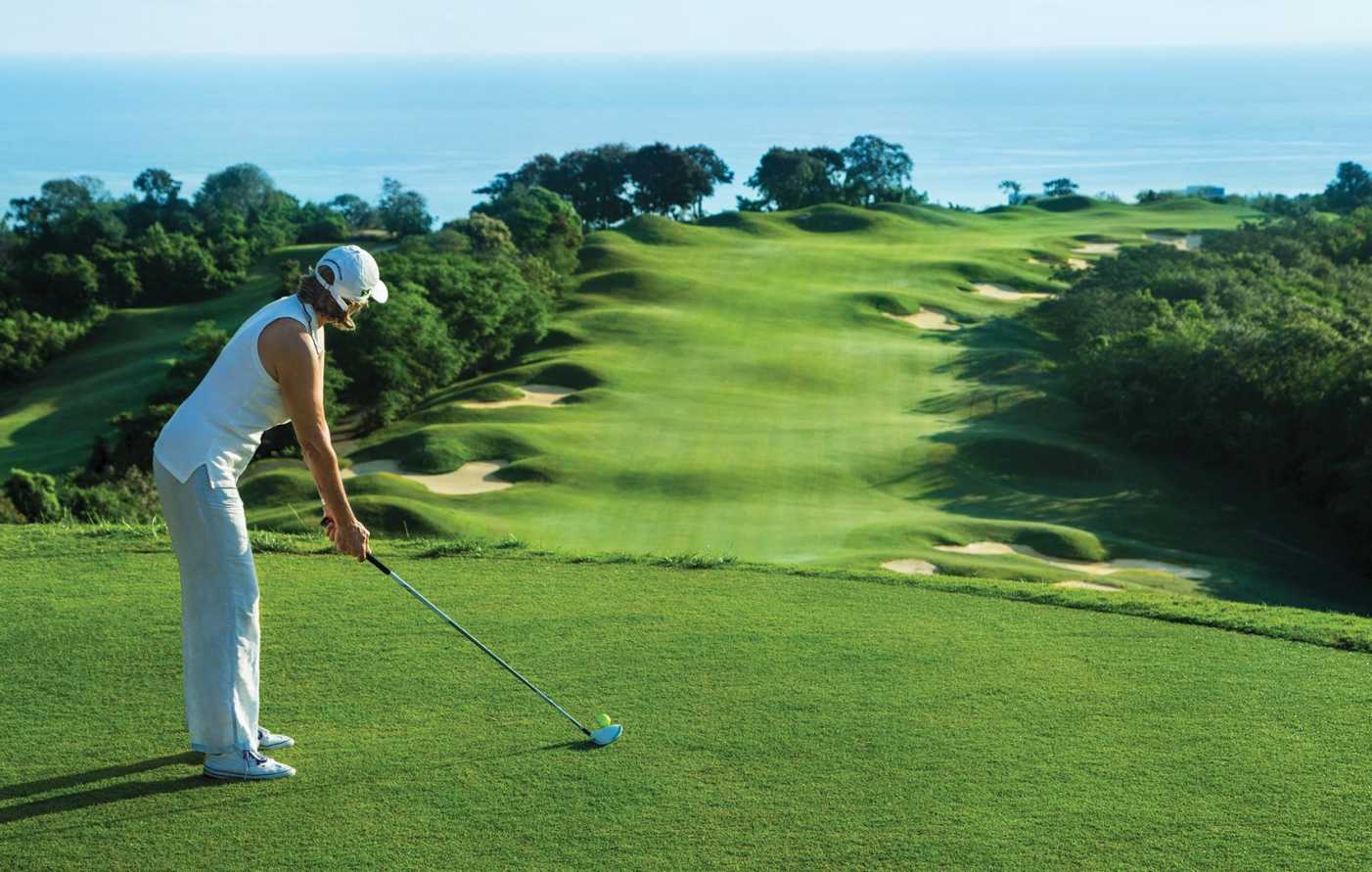
Montego Bay, Ocho Rios, Negril and Port Antonio welcome most visitors. Montego Bay has the golf courses, restaurants, shops and the airport; Ocho Rios has the sights within easy reach; Negril has the long beach and the sunsets from the cliffs at West End; Port Antonio is the quietest of the four — and the one filmmakers have used most, which we look at more closely in Jamaica as a film location, from James Bond to Tom Cruise.
The choice ranges from guesthouses to villas and boutique hotels. The Caribbean’s first overwater villas, incidentally, opened here — five of them, at Sandals near Montego Bay in December 2016. If you want to get closer to the island than the pool edge, a guesthouse is still the shortest route, and the cheapest.
Jamaica at a glance
Area: 10,991 km² — the third-largest island in the Caribbean after Cuba and Hispaniola.
Capital: Kingston
Population: approx. 2.8 million
Currency: Jamaican dollar (JMD)
Languages: English, everyday Patois
Highest point: Blue Mountain Peak, 2,256 m
Travel agents with Jamaica on their programme include Jysk Rejsebureau, American Travel and Spies Rejser.
More articles on Jamaica
The season month by month
Jamaica has two climatic seasons, and they differ more in rainfall than in temperature. From December to April is the driest and most comfortable time, with daytime temperatures around 30 degrees on the coast and an almost constant trade wind from the east. Rain usually falls as short, heavy showers that seldom last long.
May and June are warmer and more humid. Showers come more often, and the air feels heavier, but many local hotels and guesthouses have lower prices in this period. July and August are the hottest months, and it is also then that the rain in the mountains becomes most pronounced. Waterfalls and rivers run higher than the rest of the year, which is an advantage if you want to swim in them, but it can make hiking trails slippery and some excursions unsafe.
The heaviest rainfall falls in October and November, which is also the heavy period of the hurricane season. If you want to avoid both rain and high prices, the limited window from mid-April to May is the most sensible choice. In the mountains the temperature is often several degrees lower than on the coast, so bring a light jacket if you are heading up into the Blue Mountains.
Food and drink in Jamaica
Jamaican cuisine is heavily spiced and built around allspice, thyme and onion, and the best-known dish is jerk, where meat is marinated in a blend of spices and slowly grilled over wood. Jerk chicken is sold from small stalls and at the roadside in many villages, and it is often far better than what you find on a resort menu. Ackee and saltfish is the national dish, in which the yellow fruit ackee is boiled and mixed with saltfish, onion and tomato. It is typically served for breakfast.
At the resorts, food is often in a more international style, with jerk variations adapted to guests’ tastes. It is safe and easy, but it rarely gives a sense of the local cuisine. If you want to eat locally, seek out the small restaurants and stalls in the towns you visit. Feel free to ask locals where they eat themselves, and choose places with plenty of customers.
Rum is part of the drinks scene, and several distilleries on the island are open to visitors. Blue Mountain coffee is also an obvious choice, and it is served in most local cafés too. Freshly pressed juice from fruits such as mango, guava and passion fruit is easy to find at markets and by the roadside.
What it costs
Prices in Jamaica vary a great deal by season and area, so the figures given should be read as a guide. Hotels and guesthouses are most expensive in the high season from December to April, while prices fall in May and June and again in October and November, although that is the riskiest period. Luxury resorts sit far above the mid-range, and the smaller guesthouses offer a considerably cheaper alternative.
Food at local restaurants and stalls is markedly cheaper than at resort restaurants, and most beers and drinks in the tourist areas cost more than in the local eateries. Taxi transport can add up quickly, especially on longer trips, and should be agreed in advance. Excursions such as guided waterfall trips, mountain hikes and boat trips vary a great deal in price, and it may be a good idea to compare several offers before booking.
It is wise to book excursions in advance during the high season, and to check current prices with local operators, as price levels change. You should also bear in mind that paying by card may in some cases incur a fee, so it is worth clarifying this in advance.
More about Jamaica
Nearby
The Bahamas
For most people, the Bahamas is the classic sun-blessed island of the Caribbean, as seen in…
Cayman Islands
Set in exceptional tropical surroundings, the Cayman Islands offer a luxurious blend of sun-drenched beaches and…
Guadeloupe
Guadeloupe, or the Guadeloupe Islands in English, is a small archipelago under French rule that is…


