
From the traveltalk.dk family – started in Denmark in 2018
Read in: Dansk (original)
Bermuda’s Lovely Little Coral Islands Await
Bermuda is an island group in the Atlantic Ocean, forming part of the British Overseas Territories in the North Atlantic, east of the United States. The capital is Hamilton. The islands are part of a large coral reef. They were discovered in 1505 by a Spanish captain, Juan de Bermúdez, after whom the islands are named.
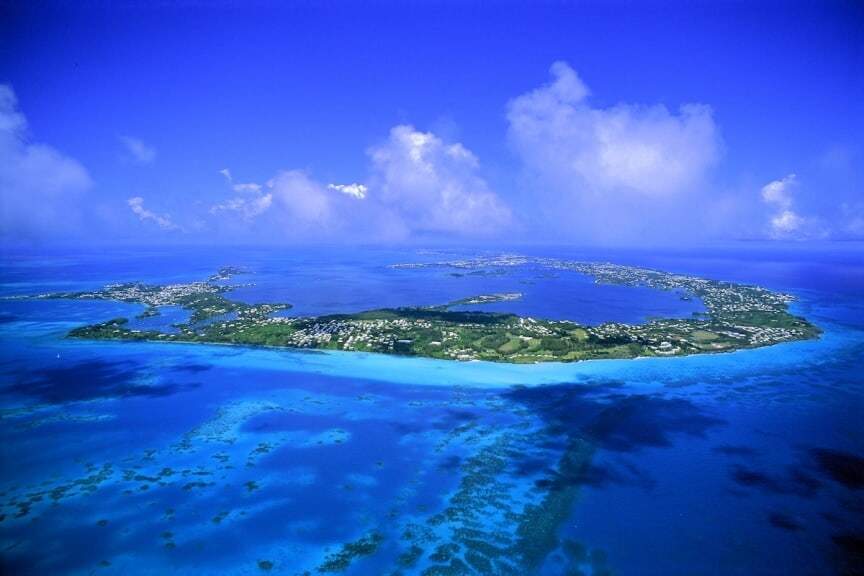
Bermuda and its geography
The islands form a cluster covering 21 square kilometres (56 kilometres), mostly small, interconnected islands in the northwest Atlantic. One of the nine smallest places in the world, it lies 650 miles directly east of Cape Hatteras, North Carolina, USA. Many people are surprised to learn that it is not in the Caribbean, but 900 miles north of it.
Where to stay in Bermuda?
The islands offer a broad range of accommodation to suit every kind of holiday. Choose from the following for your Bermuda trip.
Apartments – for those seeking a “home away from home”.
Cottages – Cottage colonies are uniquely Bermudian and offer a range of facilities.
Flotels – Why stay on land when you can sail and enjoy Bermuda by sea?
Guesthouses – Offering a level of comfort and charm all their own.
Hotels – Spread across the island, offering convenient access to many of the islands’ major sights and attractions.
Inns or bed and breakfasts – Scenic sea views and centrally located properties with self-catering options.
Resorts – with every amenity, from a world-class spa to fine dining.
Small hotels – Small hotels are the backbone of Bermuda, each with its own personality.
Buy a holiday apartment – Owning a piece of Bermuda is a smart choice for repeat visitors.
Introduction to more than 35 destinations in the Caribbean
Prices and costs
Bermuda is not a cheap destination. Accommodation, food and activities are generally priced higher than in Denmark, and you should factor this into your budget planning. The larger hotels and resorts in particular can be expensive during peak season, while smaller guesthouses and apartments are often a more affordable choice.
The currency is the Bermudian dollar, which is pegged to the US dollar and has the same value. In practice, US dollars are accepted everywhere, and many places also accept cards. It is nevertheless a good idea to carry some cash, especially for smaller shops and bus fares.
Cards such as Visa and Mastercard are generally accepted at restaurants, hotels and most shops. Always check whether your card works without fees, and ask your bank before you travel.
Food and places to eat
Bermudian cuisine is built on the fish and shellfish of the sea, and you will come across several dishes typical of the islands. Fish chowder is a thick, spiced fish soup, often served with bread, and is one of the best-known dishes. The Bermuda fish sandwich is a simple but tasty dish, typically consisting of fresh fish fried or grilled and served in a bun.
Many of the best places to eat are in and around Hamilton, where you will find a mix of small cafés and more formal restaurants. In St. George’s, the historic town in the east, there are also several restaurants with harbour views and a more relaxed atmosphere.
If you want to enjoy your food close to nature, you can find small eateries by the beach serving fresh fish from the day’s catch. It is often a good idea to book a table at weekends, as the small places fill up quickly.
Beaches and activities
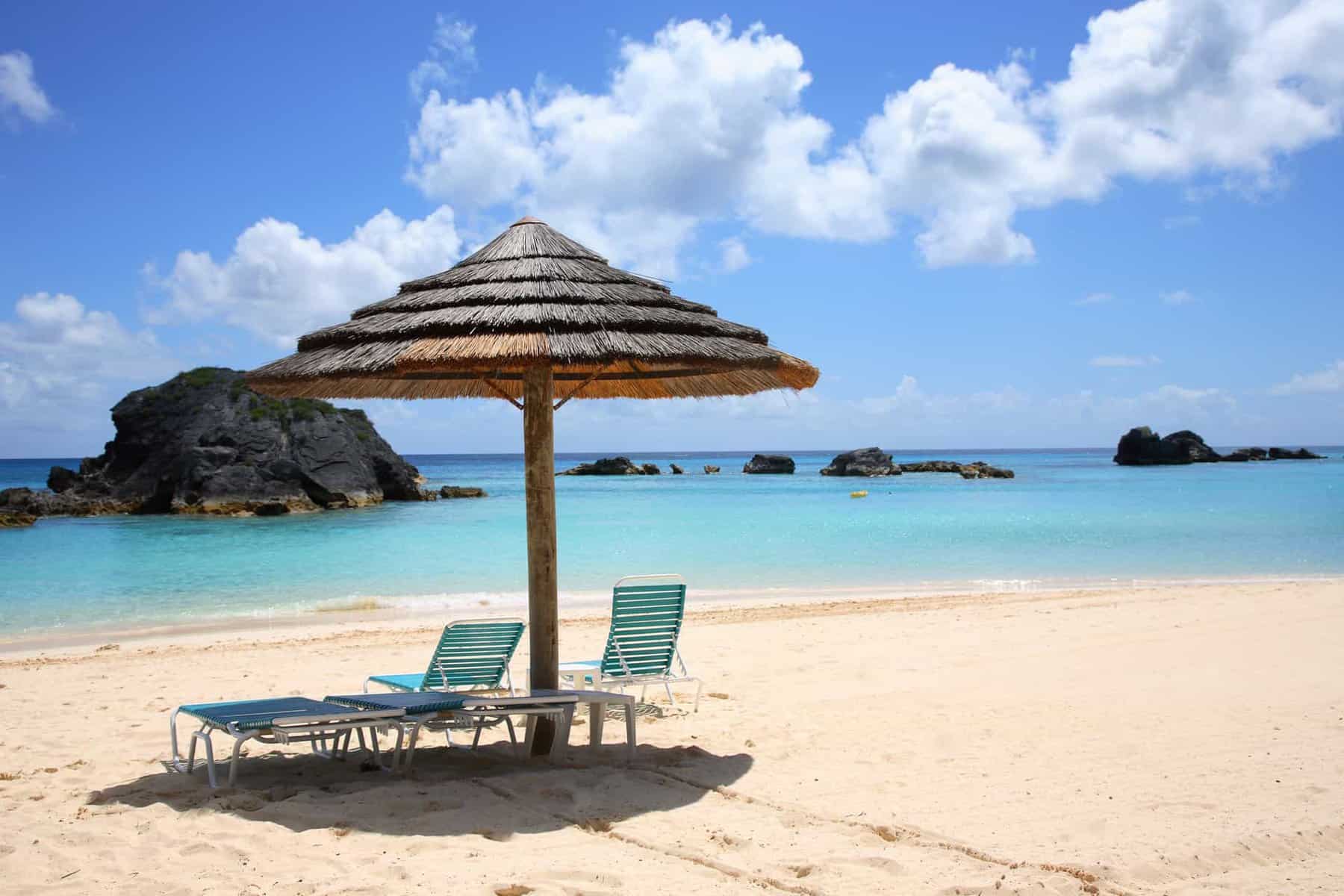
Bermuda’s most famous beaches are the pale pink sand beaches on the south side of the islands. The sand has a light pink colour, caused by tiny shell fragments, and the water is clear in shades of turquoise and blue. The beaches are public, and there are several places with toilets and changing rooms.
The islands are surrounded by a large coral reef, which makes them one of the best places for snorkelling and diving. In many places you can swim out from the beach and see colourful fish and corals just metres from the shore. If you want to dive deeper, there are diving companies offering trips to wrecks and the reef, and they typically require you to hold a valid certification.
The Royal Naval Dockyard at the western end of the islands is one of the most visited historic sites. Here you will find old military buildings, museums and a large market, and it makes a good day out combining history and shopping. The area is also a good starting point for understanding the islands’ role in naval history.
Best time to travel
Bermuda has a mild subtropical climate, and temperatures are fairly even throughout the year. Summers are warm and humid, and this is when most visitors arrive. The water is warm enough for swimming for several months, while winters are cool and breezy but rarely near freezing.
It is worth knowing that Bermuda lies within the Atlantic hurricane season, which runs from summer into autumn. Storms can strike the islands at short notice, so that period is less ideal if you have fixed holiday dates and no flexibility to change them. Spring and early summer are often calmer, and the weather is pleasant for walking and cycling around the islands.
If you wish to see the pink sand beaches and clear water without large crowds, the shoulder season is a good choice. Remember to check current weather forecasts before deciding, as the climate can vary from year to year.
How to get there
Most travellers from Denmark fly via a major European or North American airport and continue from there to Bermuda. There is no direct connection from Denmark, so expect a stopover and allow enough time for the connection. The total travel time depends greatly on which route you choose, so compare the specific departures before booking.
From the USA and Canada there are several daily flights, and this is often the easiest route if you are travelling from North America. The airport is on the island and is a manageable, small airport compared with the large hubs.
Bermuda also receives cruise ships, which dock at the harbours. If you only have a short time on the islands, a cruise can be one way to see a part of them, but it gives only limited time ashore. Always check which ports the ship calls at and how long it stays in harbour before you plan your day.
Getting around the islands
Bermuda is small, but it is not easy to drive around if you do not know the rules. The most important rule is that you drive on the left, just as in the United Kingdom. Many hire cars are also smaller and more compact, and the roads are narrow and winding, so it requires attention.
Many visitors choose a scooter instead, and it is a popular way to get around. Be aware that there are special rules on who may ride motor vehicles, and that a helmet is compulsory. Read the rules carefully before you hire, as they can be stricter than you are used to at home.
Public buses cover large parts of the island and are an inexpensive way to get around without having to park. You can also take a taxi, but it is a more expensive option, especially over longer distances. On the islands it is common to flag a bus down from the roadside, and drivers are often helpful in explaining the routes.


