
From the traveltalk.dk family – started in Denmark in 2018
Read in: Dansk (original)
Grenada, a beautiful country with huge exports of spices
Grenada is close to being the forgotten island of the Caribbean, but it has become very popular with golfers and travellers keen on exotic trips to beautiful tropical islands.
Best time to visit
Grenada lies outside the main hurricane belt of the Caribbean, but the Atlantic hurricane season runs from June to November, and it is during this period that rainfall is heaviest. Showers often arrive suddenly and pass just as quickly, so entire days are rarely lost.
The dry season from January to May is the most obvious time to travel. Temperatures hover evenly around 30 degrees during the day, and the sea is calm, making snorkelling and boat trips pleasant. This is also peak season, and prices follow suit.
The low season, which falls in the rainy months, is cheaper, and many hotels offer attractive rates. If you travel in late summer, however, be prepared for humid heat and a certain risk of heavy storms. It is therefore worth planning with flexible travel insurance and checking the weather forecast before booking the more expensive excursions.
Grenada is one of the world’s largest exporters of spices
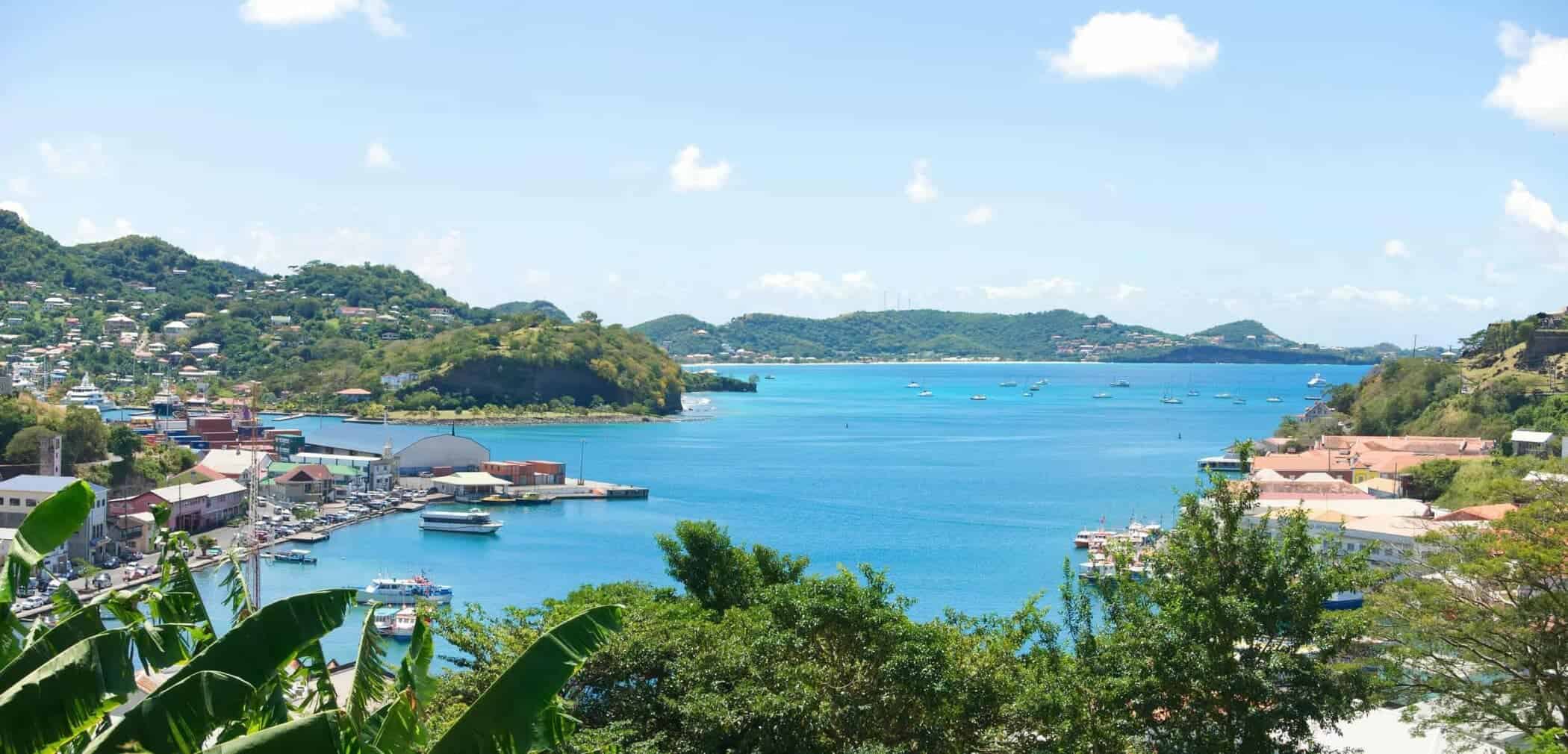
A scent of nutmeg greets you as you land and drive to St. George’s. The island is spiced with the charm of the Caribbean in so many ways. Did you know that this beautiful island is one of the world’s largest exporters of spices? You can smell it in the air of the capital, St. George’s. In particular, the aroma of nutmeg hangs over this tropical island.
The island has incredibly beautiful sandy beaches and is considered one of the most beautiful in the entire Caribbean. It is tucked away a little between the well-known neighbouring islands of Tobago, Barbados and the Grenadines island group. But this is a place where you can do a bit of everything: snorkelling, diving, sailing out, experiencing a beautiful culture, finding your own beach, enjoying the local food, and it is not overrun. The people are, moreover, very hospitable.
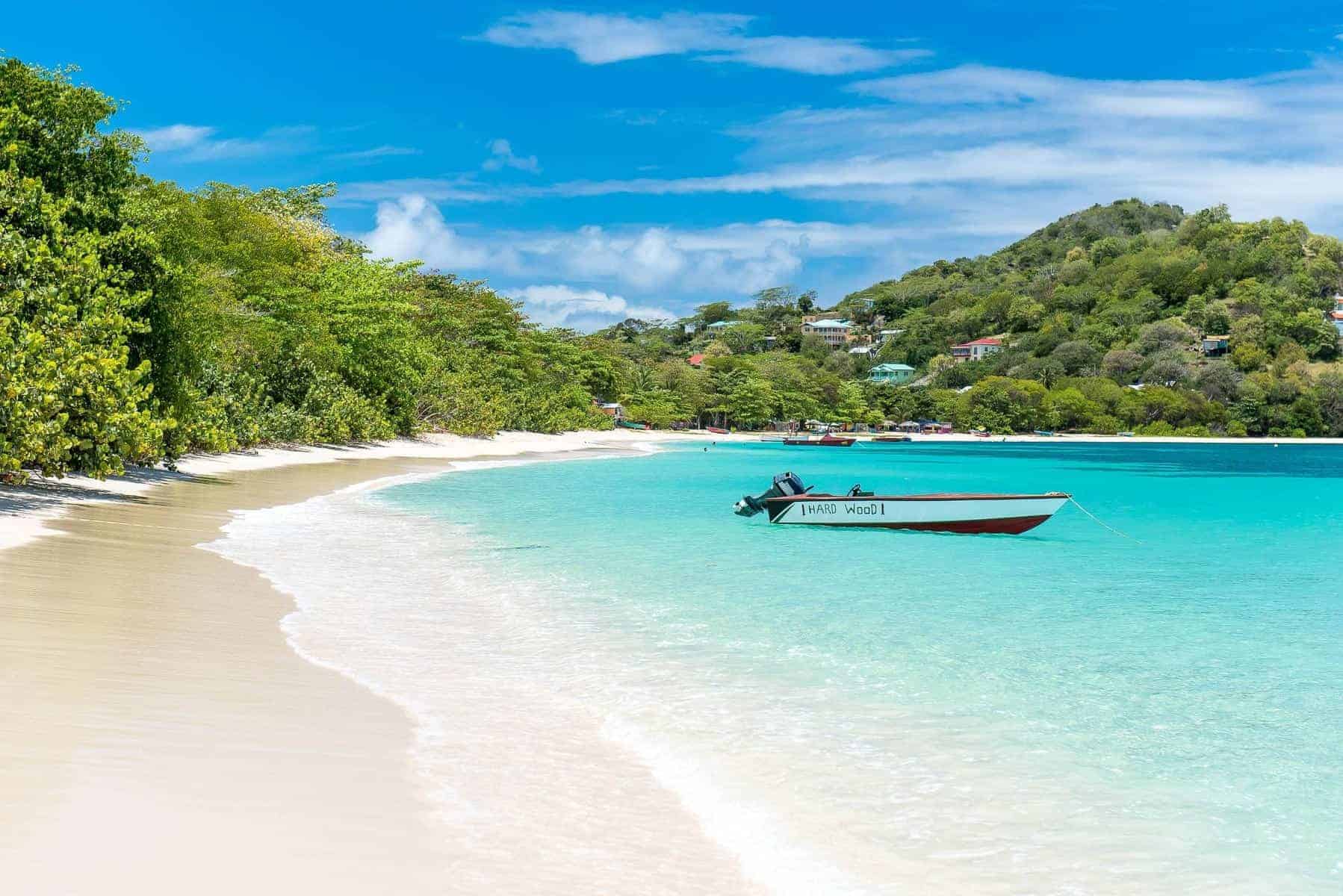
Read more about the sister island of Carriacou and its annual carnival in February.
Practical matters before you travel
Danish citizens can normally travel to Grenada without a visa, but you must have a passport that is valid for the period of your stay. Always check the current entry requirements with the relevant authorities before departure, as they can change. The local currency is the Eastern Caribbean dollar, which is pegged to the US dollar. US dollars are accepted in many places, but exchange rates and fees can vary, so it is a good idea to carry some cash for small purchases and transport.
Credit cards are accepted at hotels, restaurants and larger shops, while smaller places often only take cash. Cash machines are found in the capital, but are not always available elsewhere on the island.
The price level is generally high compared with many other parts of the Caribbean. Food in restaurants and supermarkets is more expensive than you might expect, while small local eateries can be a cheaper alternative. Activities such as boat trips and diving can also cost a fair amount, so plan your budget with that in mind.
Check the current vaccination requirements and health recommendations with your doctor or at a travel health clinic, and consider good travel medical insurance. It is a good idea to drink bottled water and to protect yourself against mosquitoes and the sun. Safety is generally good in tourist areas, but as in most countries you should keep an eye on your belongings, avoid displaying valuables and follow local advice, especially after dark.
Where to stay in Grenada
St. George’s is the island’s capital and its most lively town, with a compact town centre, markets and the harbour where cruise ships dock. It is a good choice if you want life around you and easy connections for trips around the island. The town does, however, have traffic and noise, and it is not the most relaxed base for a beach holiday.
Grand Anse is the island’s longest and most visited beach, and this is where most of the larger hotels and guesthouses are located. Here you will find restaurants, shops and a range of watersports activities. The area is easy to get around on foot, which makes it a practical choice for many.
Grand Etang lies inland, surrounded by rainforest and a crater lake, and is a peaceful alternative to the coast. Accommodation here is mostly small guesthouses and lodges, which suits those who want to hike and get away from the busy. Expect fewer facilities and longer distances to restaurants.
Accommodation types range from large resort hotels and boutique hotels in the high price bracket to small guesthouses, apartments and simple guesthouses in the lower price brackets. Choose according to how much time you want to spend driving and how much you want the facilities right outside your door.
Getting around the island
The most flexible way to get around Grenada is by your own car. Driving is on the left-hand side of the road, as in the United Kingdom, and the roads are often narrow, winding and without road markings. Many of the higher-lying areas have steep gradients and potholes, so drive carefully and avoid driving in the dark if you do not know the route.
Taxis are found everywhere, especially at the airport and in St. George’s, but they do not run on meters. Agree on the price before you get in, and settle whether it applies to a single trip or the whole day. Local minibuses are cheap and a good way to experience everyday life, but they follow their own routes and timetables, which are not always easy to make out.
If you are heading to Carriacou, the ferry leaves from St. George’s and takes a couple of hours. Weather and sea conditions can make the crossing bumpy, and it is a good idea to check departure times locally, as they can change.
How to get there
There is no direct flight from Denmark to Grenada, so the journey almost always goes via a hub. Most travellers fly to Europe first and then onward to the Caribbean, and a stopover in Trinidad, Barbados or another neighbouring island is common. Certain seasonal charter connections exist, but they change from year to year, so always check current routes before you plan.
The total travel time typically comes to over a day once airport waiting times and connections are included. It is a journey that requires a little patience, but in return it offers the chance to take in some of the neighbouring islands along the way.
Grenada’s airport lies on the south side of the island, a short drive from the larger beaches. When you land, it can be a good idea to have a plan for getting from the airport to your accommodation, as transport options are not always plentiful outside the capital area.
Grenada in brief
It is part of the Caribbean, lying north of Trinidad and Tobago. The country consists of the islands of Grenada together with the smaller islands of Carriacou and Petite Martinique. The first voyage of discovery to the Spice Isle was led by Columbus in 1498, but due to the effective resistance and hostility of the indigenous Carib people, all attempts at colonisation came to nothing.
Capital: Saint George’s
Area: 348.5 km²
Currency: Eastern Caribbean dollar
Official language: English
More travel inspiration for Grenada
Book your trip here to many destinations. Skiing, sun, city breaks, camping etc
Travel to Grenada with Danish travel agencies
- Benns
- Albatros
More articles about Grenada
More about Grenada
Nearby
Curacao
The capital, Willemstad, Curaçao is on the UNESCO World Heritage List and has one of the…
Aruba
Aruba is one of the most visited islands in the eastern Caribbean. It is a Dutch…
Dominican Republic
The Dominican Republic is an affordable slice of the Caribbean that still feels gloriously tropical. You…


